The Shift in Medical Perspective
Cancer treatment, including chemotherapy, radiation, hormonal therapy, and surgery, places significant stress on the body. Common side effects include severe fatigue, muscle loss (cancer-related cachexia), reduced bone density, neuropathy, depression and anxiety, and reduced cardiovascular fitness. For decades, rest was prescribed to conserve energy. However, modern research from institutions such as the National Cancer Institute (NCI) confirms that appropriately prescribed exercise improves physical function and treatment tolerance. Evidence summarized on cancer.gov shows that physical activity during and after treatment is associated with improved recovery and better overall outcomes. What this really means is simple: controlled movement supports healing.
Why Strength Training Matters During Cancer Recovery
While walking and light aerobic activity are helpful, resistance training plays a particularly powerful role during cancer recovery. Treatment often leads to rapid muscle atrophy, and in some patients lean muscle mass decreases within weeks. Loss of muscle impacts strength, metabolic function, blood sugar regulation, balance, and long-term independence. Strength training directly counteracts this decline.
Key Benefits of Strength Training for Cancer Patients
1. Reduces Chemotherapy-Related Fatigue
Cancer-related fatigue is persistent and not always relieved by sleep. Structured resistance training improves mitochondrial efficiency, enhances circulation, reduces systemic inflammation, and improves oxygen utilization. Paradoxically, controlled movement increases energy over time. Multiple oncology exercise studies show that moderate resistance training reduces fatigue severity and improves daily function.
2. Preserves and Rebuilds Muscle Mass
Muscle is metabolically active tissue, and during chemotherapy or hormonal therapy, muscle breakdown often accelerates. Strength training stimulates muscle protein synthesis, reduces muscle wasting, improves insulin sensitivity, and supports metabolic stability. Maintaining muscle mass is critical not only for strength but also for survival outcomes and faster post-treatment recovery.
3. Supports Mental Health and Emotional Resilience
Cancer affects psychological well-being as much as physical health. Strength training has been shown to reduce anxiety, improve mood regulation, enhance self-efficacy, and restore a sense of physical control. Regaining strength often translates into regained confidence, and for many survivors structured exercise becomes a powerful psychological anchor during uncertain times.
What Makes Strength Training Safe During Cancer Treatment?
Safety is essential. Cancer exercise is not the same as general fitness training. A certified cancer exercise specialist designs programs based on medical considerations, treatment type, and individual tolerance.
1. Medical Clearance
- Oncologist approval is required
- Blood counts must be stable
- Surgical sites must be healed
- Lymphedema risk must be assessed
Exercise prescription must align with current medical status.
2. Fatigue Monitoring
Sessions are adjusted based on daily energy levels, treatment cycles, sleep quality, and nutritional intake. Intensity fluctuates depending on how the body responds. A qualified specialist modifies load and volume consistently.
3. Low-to-Moderate Intensity Progression
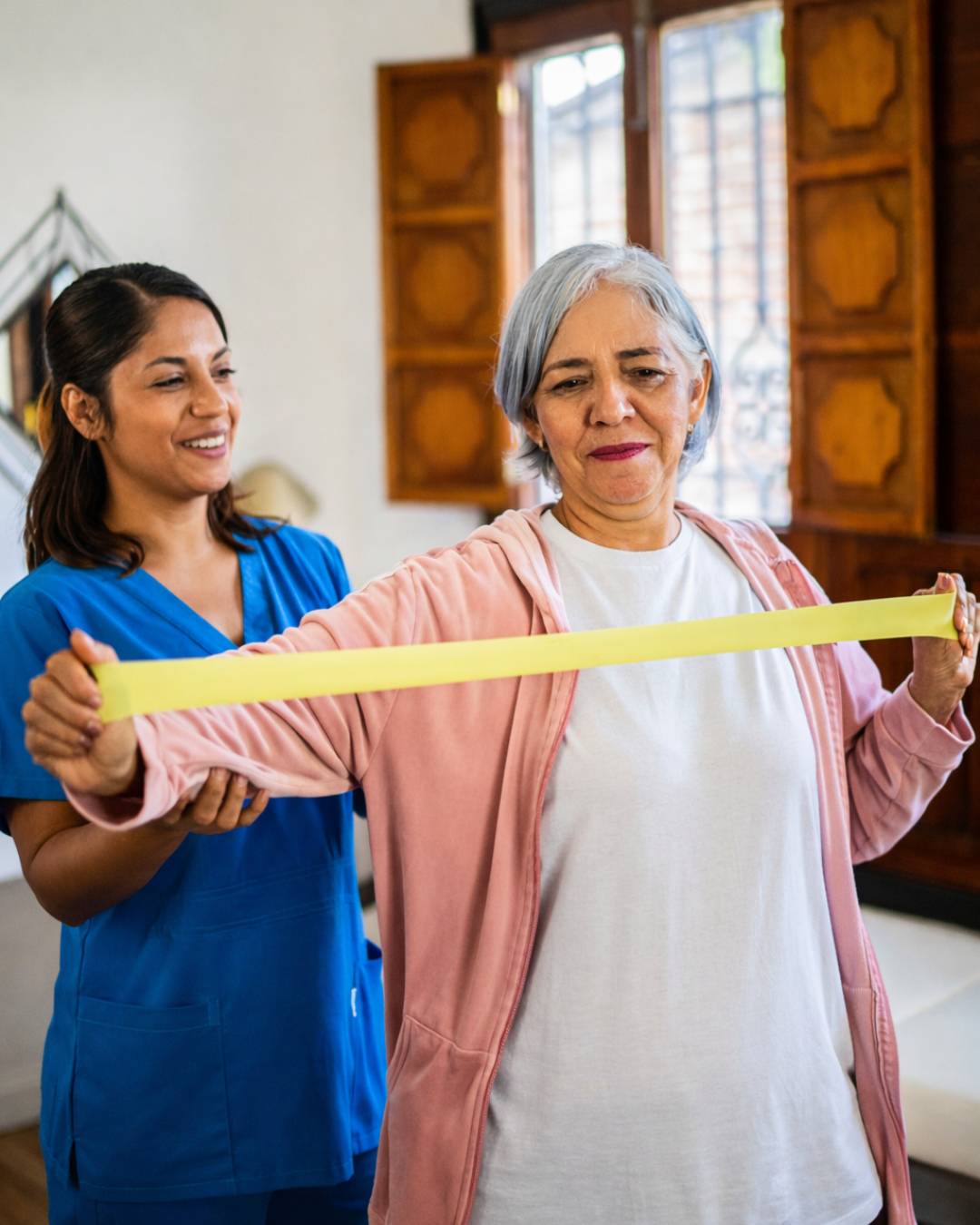
Training generally begins with light resistance, higher rest intervals, controlled tempo, and a strong focus on form and breathing. Progression is gradual with adaptation as the goal, not exhaustion.
- Seated or supported strength movements
- Light dumbbells or resistance bands
- Bodyweight exercises
- Functional mobility drills
No aggressive high-intensity sessions or maximal lifting are used during treatment.
Special Considerations During Treatment
Chemotherapy
- Monitor for neuropathy
- Avoid high fall-risk exercises
- Watch for extreme fatigue
Radiation Therapy
- Protect treated skin areas
- Avoid excessive friction or pressure
Hormone Therapy
- Prioritize bone-loading exercises
- Monitor joint stiffness
Post-Surgery
- Respect healing timelines
- Avoid strain near surgical sites
- Restore mobility before progressing load
Every strength training program must be individualized.
How Often Should Cancer Patients Train?
General oncology exercise guidelines suggest two to three resistance sessions per week, beginning with one to two sets per exercise, moderate repetitions between eight and fifteen reps, and sessions lasting approximately twenty to forty minutes. Rest days are essential, and consistency matters more than intensity.
Long-Term Impact Beyond Treatment
Strength training during cancer recovery does more than manage side effects. It improves cardiovascular health, enhances bone density, supports metabolic function, reduces chronic inflammation, and may reduce recurrence risk in certain cancers. Most importantly, it restores independence. Being able to lift groceries, climb stairs, carry children, or return to work confidently significantly improves quality of life.
Common Myths About Exercise and Cancer
“Exercise will weaken the immune system.”
When appropriately prescribed, moderate exercise enhances immune surveillance rather than suppressing it.
“Rest is always better.”
Excessive inactivity accelerates muscle loss and increases fatigue severity.
“Strength training is too risky.”
When supervised and progressed correctly, strength training is one of the safest and most beneficial supportive interventions available in oncology care.
Final Thoughts
Cancer recovery is not only about eliminating disease but about rebuilding life. Strength training under the guidance of a certified cancer exercise specialist supports the body at a cellular, muscular, and psychological level. It reduces fatigue, preserves strength, restores confidence, and enhances long-term resilience. Exercise is no longer discouraged in oncology care; it is prescribed strategically, safely, and progressively. When done right, strength becomes medicine.