Joint Care & Mobility Exercises UAE: Preventing Arthritis Through Strength
Joint pain is one of the fastest-growing health complaints in the UAE, especially in Dubai where long sitting hours, high stress, low daily movement, and inconsistent training are common. Many people wait until their knees, shoulders, or lower back start “acting up” before they take mobility seriously. But here’s the thing: arthritis and long-term joint degeneration aren’t only about age. They’re often about weak muscles, poor movement patterns, excess body weight, and joints that stop moving through full range.
The most practical strategy is not endless stretching. It’s a mix of joint care and mobility exercises plus strength training that builds stability. This guide shows how to protect your joints, improve mobility, and reduce arthritis risk with a plan that fits UAE lifestyles.
Arthritis vs “Normal” Joint Pain: What’s the Difference?
Joint discomfort can come from tight muscles, poor posture, old injuries, or overuse. Arthritis is different. It generally involves inflammation and/or structural changes inside the joint. The most common type is osteoarthritis, where cartilage wears down over time. Another is rheumatoid arthritis, which is autoimmune and requires medical management.
Strength and mobility work won’t “cure” arthritis, but it can reduce pain, improve function, and slow progression for many people. For prevention, the goal is to keep joints moving well and surrounding muscles strong enough to absorb load.
Mobility = your ability to move a joint through a full, controlled range of motion
Stability = your ability to control that range under load without pain or collapse
Strength = the foundation that makes stability repeatable in real life
Why Joints Break Down Faster in Modern UAE Lifestyles
Dubai is built for convenience, which can quietly reduce movement. Add desk work, driving, and screen time, and the body adapts by getting stiffer and weaker. Over time, the joint takes stress that should have been handled by muscle.
Long sitting hours tighten hips and weaken glutes
Forward-head posture overloads neck and shoulders
Low daily walking reduces joint lubrication
Weak legs increase knee and back strain
Old injuries create compensations that shift load to other joints
What this really means is: preventing arthritis isn’t only about supplements or avoiding movement. It’s about restoring movement quality and building strength so your joints aren’t doing the heavy lifting alone.
How Strength Training Prevents Arthritis (And Supports Joint Care)
Strength training supports joint health by improving how force is distributed. Strong muscles act like shock absorbers. When muscles are weak, joints take more load and wear faster. Proper strength training also improves posture, reduces inflammation over time through better metabolic health, and builds confidence to move without fear.
Better joint alignment: strong muscles keep joints tracking properly
Less joint stress: muscle absorbs load so cartilage doesn’t take the hit
Improved mobility under control: strength builds usable range, not just flexibility
Reduced pain sensitivity: movement and strength can improve pain tolerance for many people
Better balance and fall prevention: crucial as we age
This is why joint care and mobility exercises in the UAE work best when combined with strength training, not replaced by stretching alone.
Mobility vs Stretching: What Actually Helps?
Stretching can feel good, but if you’re only stretching tight areas while ignoring weak areas, pain often returns. Mobility is different because it teaches your body to control movement. Think of mobility as active flexibility with stability built in.
Stretching: passive lengthening, short-term relief
Mobility: active control through range, long-term change
Strength: makes that range stable in daily life
If your knees hurt, your ankles and hips often need mobility, and your glutes and quads often need strength. If your shoulders hurt, your upper back mobility and rotator cuff strength usually matter more than just “stretching the chest”.
Key Areas for Joint Care (Most Common in UAE)
These are the joints that commonly show issues in Dubai clients due to lifestyle and training patterns.
Knees
Weak quads and glutes
Stiff ankles and hips
Poor squat mechanics and knee tracking
Lower Back
Weak core stability and glutes
Tight hip flexors from sitting
Poor hinge pattern (bending from spine instead of hips)
Shoulders and Neck
Forward posture and weak upper back
Limited thoracic spine mobility
Poor rotator cuff control
Hips
Stiff hip flexors and adductors
Weak glute medius (hip stability)
Limited rotation and control
Best Joint Care & Mobility Exercises (Practical List)
You don’t need a 60-minute mobility routine. You need a short set you can do consistently. The goal is to improve range where you’re stiff, and build control where you’re unstable.
Lower Body Mobility (Ankles, Hips, Knees)
Ankle rocks against wall (ankle dorsiflexion)
90/90 hip switches (hip rotation control)
Hip flexor lunge stretch with glute squeeze (active hip opening)
Bodyweight split squat holds (knee tracking + control)
Spine and Upper Body Mobility
Thoracic spine rotations (open books)
Cat-cow with slow control
Wall slides for shoulder mobility
Scapular push-ups (shoulder blade control)
Use mobility as preparation, not punishment. 8–12 minutes before training or after long sitting is enough to create progress.
Strength Exercises That Protect Joints (The Real Prevention Tool)
Strength work for joint care is not about max loads. It’s about controlled movements, full range where safe, and gradual progression. Machines are completely fine, especially for beginners or anyone with pain.
Knee and Hip Protection
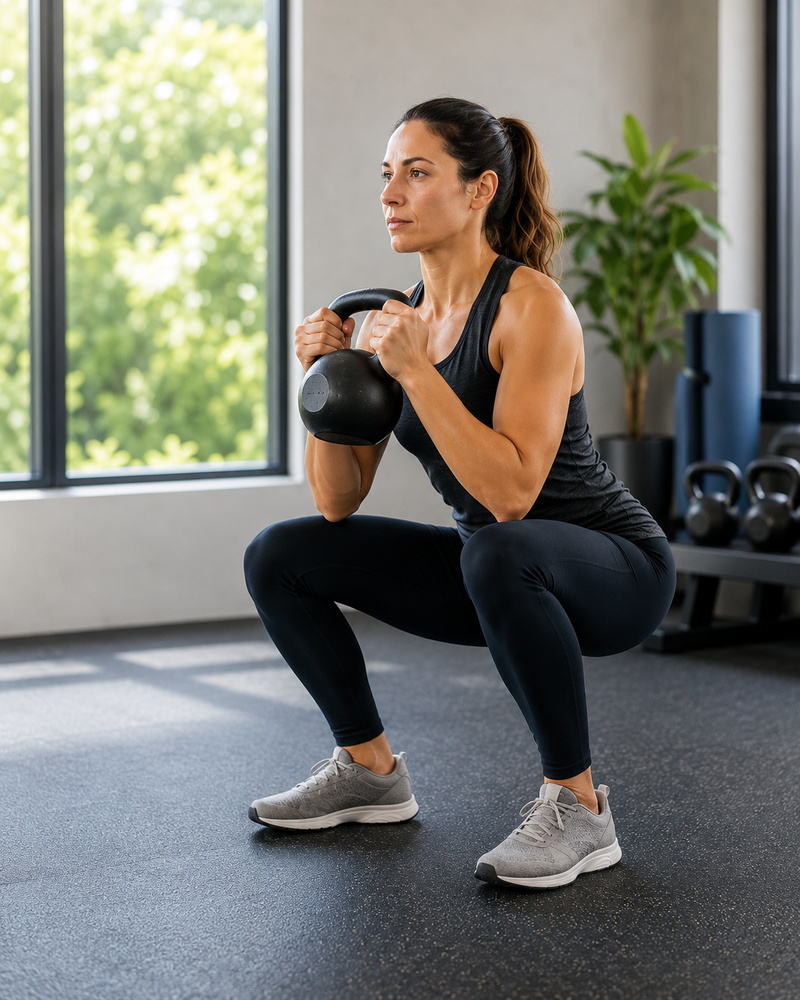
Goblet squat or leg press (pain-free range)
Step-ups (controlled, slow lowering)
Romanian deadlift (hip hinge strength)
Glute bridge or hip thrust (glute strength)
Back Protection
Bird-dog (core stability)
Dead bug (anti-extension control)
Farmer carries (core + posture strength)
Shoulder Protection
Seated row (upper back strength)
Face pulls (posture and shoulder stability)
External rotation band work (rotator cuff)
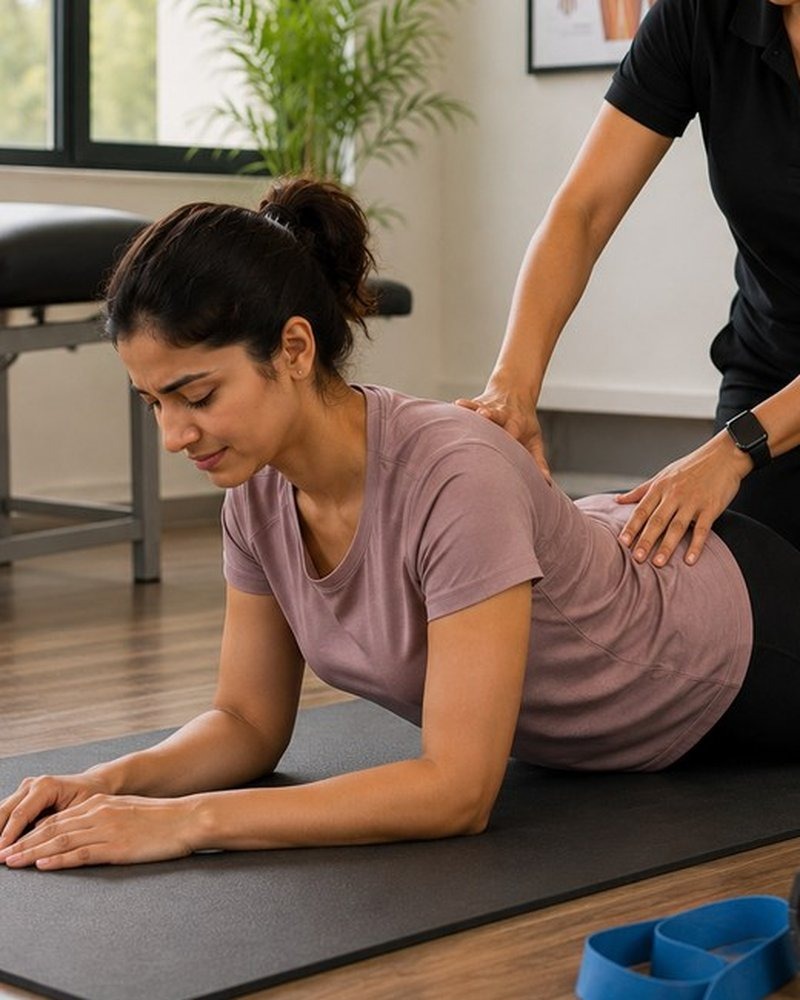
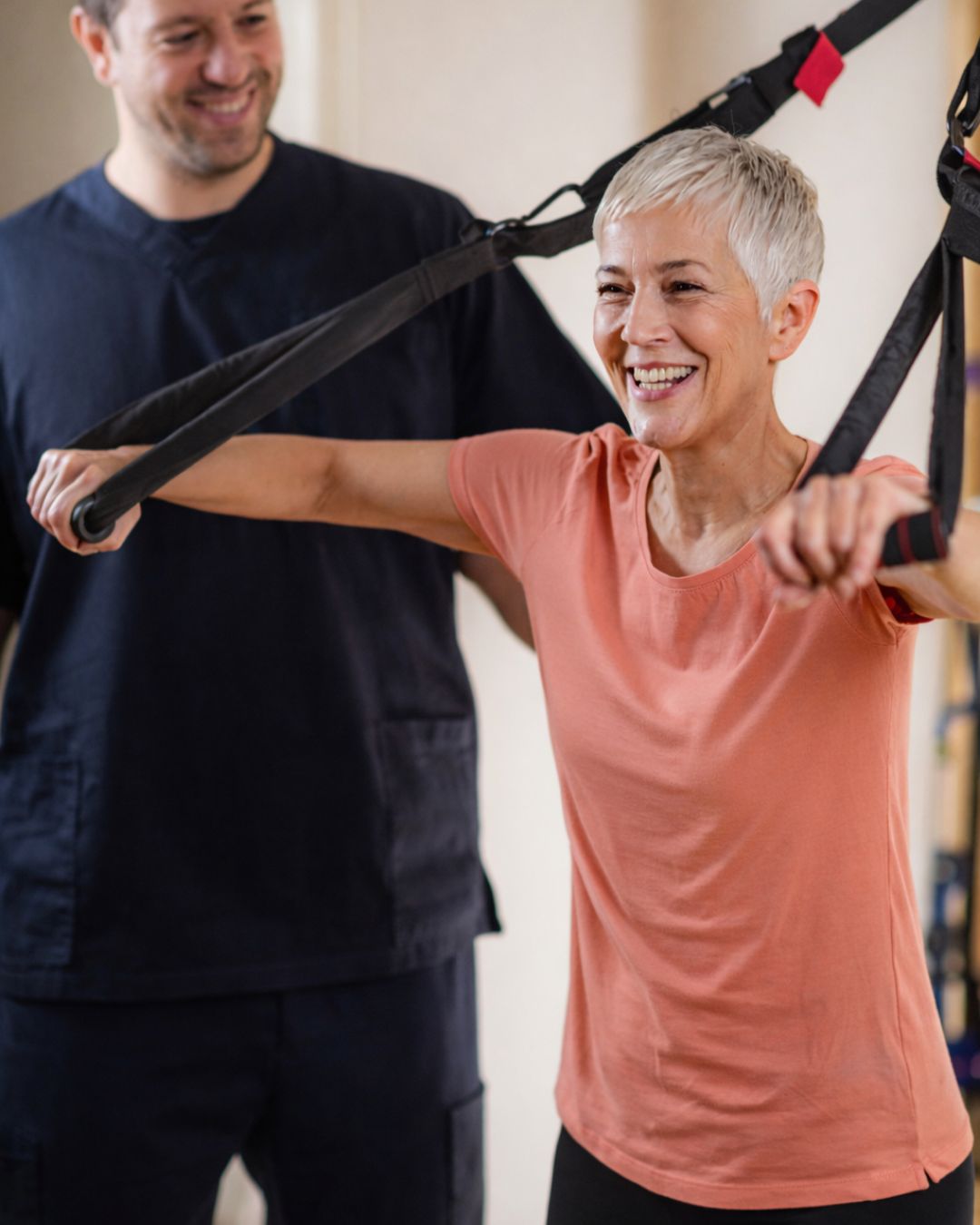
If you’re dealing with pain or recovering from injury, this is where rehab personal training becomes valuable. The right progression keeps you moving without flaring symptoms.
A Simple Weekly Plan (UAE Lifestyle Friendly)
This plan is realistic for busy schedules and works well as arthritis prevention through strength.
Daily: 15–30 minutes walking (joint lubrication + circulation)
2–3x/week: full-body strength training
4–6x/week: 8–12 minutes mobility (can be after sitting)
Example Week
Monday: Strength + short mobility
Tuesday: Walk + mobility (hips/ankles)
Wednesday: Strength + upper back mobility
Thursday: Walk + mobility (spine/shoulders)
Friday: Strength (optional third session)
Weekend: Longer walk + light mobility
Most joint improvements come from repeated small doses. This beats occasional “stretch marathons” that don’t change how you move day to day.
Common Mistakes That Make Joints Worse
A lot of joint pain comes from good intentions done the wrong way. Avoid these and you’ll progress faster.
Only stretching tight areas without strengthening weak areas
Training through sharp pain and hoping it adapts
Skipping warm-ups and jumping into heavy sets
Doing high-impact cardio with poor mechanics
Ignoring footwear, posture, and daily sitting habits
If pain is persistent, swelling increases, or the joint feels unstable, get assessed. Joint care should feel like progress, not guessing.
FAQs (People Also Ask)
Can strength training prevent arthritis?
Strength training can reduce arthritis risk by improving joint stability, reducing stress on cartilage, and supporting healthy body composition. It also helps maintain mobility and function as you age.
What are the best mobility exercises for joint health?
Ankle mobility drills, hip rotation work (90/90), thoracic spine rotations, and shoulder blade control exercises are some of the most effective basics for joint care.
Is walking enough for joint health?
Walking is excellent for circulation and joint lubrication, but strength training is usually needed to build stability and protect joints from long-term overload.
What if my knees hurt when I squat?
Start with a pain-free range, improve ankle and hip mobility, and strengthen quads and glutes using alternatives like leg press, step-ups, and split squat holds. Proper form and progression matter.
How often should I do mobility work?
Short daily mobility sessions (8–12 minutes) are more effective than occasional long sessions. Consistency builds lasting change.
Final Thoughts
Joint care in the UAE isn’t about doing more. It’s about doing the right mix consistently: mobility to restore range, and strength to stabilise that range in real life. If you want to prevent arthritis, keep your joints moving, keep your muscles strong, and treat movement like daily maintenance instead of a once-a-week fix.
If you’re dealing with joint pain, old injuries, or stiffness that keeps coming back, working with a rehab-focused personal trainer can help you train safely, rebuild confidence, and make your body more resilient.
Protect Your Joints and Improve Mobility
Living with joint pain, stiffness or reduced mobility? Explore a personalised strength and mobility programme designed to improve movement confidence and long-term joint support.
Call or WhatsApp:
+971 56 949 4247
Email:
info@chronofit.me