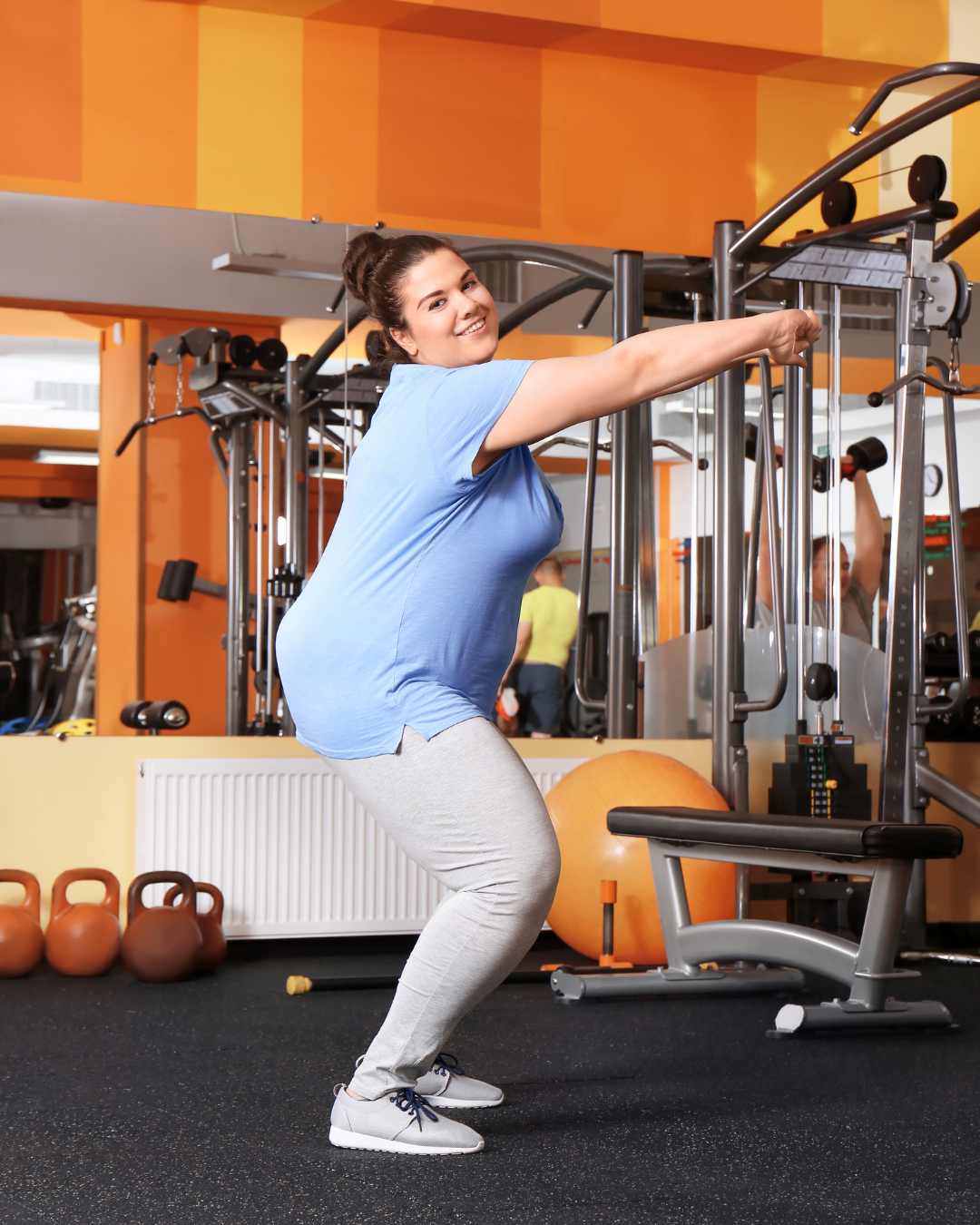
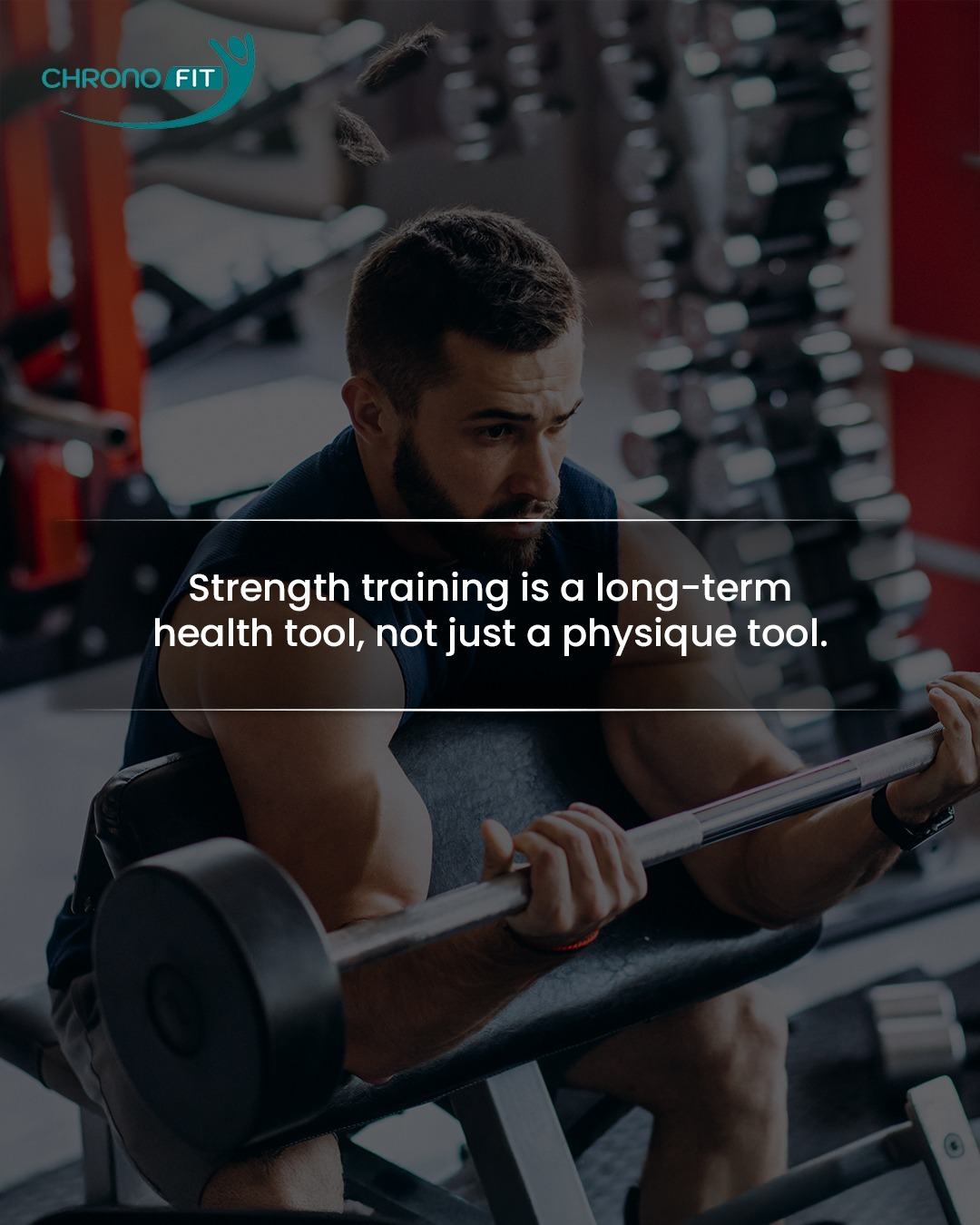
The solution isn’t more cardio. It’s lifting weights. Structured strength training and resistance training—guided by a qualified personal trainer or strength trainer—can dramatically slow and even reverse many of the physical effects of aging.
What Happens When You Lose Muscle?
Muscle isn’t just for movement. It’s metabolically active tissue that influences blood sugar control, hormone balance, joint protection, posture, and overall resilience.
When muscle declines:
Metabolism slows down
Visceral fat increases
Insulin resistance rises
Bone density decreases
Balance and coordination weaken
Joint pain becomes more common
What this really means is that muscle loss speeds up biological aging—even if you feel “young.”
Why Muscle Loss Accelerates After 35
After age 30–35, the body naturally begins to lose muscle mass at a rate of about 3–8% per decade if no resistance training is performed. Sedentary work, stress, poor sleep, and irregular routines—common in busy cities like Dubai—can accelerate that loss.
This is where structured personal training becomes critical. A knowledgeable strength trainer understands progressive overload, recovery cycles, and technique correction to safely rebuild muscle.
How Lifting Weights Reduces Aging
Lifting weights doesn’t just build muscle. It upgrades multiple systems linked to longevity.
1) Preserves Lean Muscle Mass
Resistance training stimulates muscle protein synthesis, helping maintain and grow lean tissue even as you age.
2) Improves Metabolic Health
More muscle improves glucose uptake, insulin sensitivity, and fat metabolism—reducing the risk of diabetes and metabolic syndrome.
3) Strengthens Bones
Weight-bearing strength exercises stimulate bone density, reducing osteoporosis risk.
4) Protects Joints
Stronger surrounding muscles reduce strain on cartilage and ligaments, improving joint longevity.
5) Enhances Hormonal Balance
Regular resistance training supports healthier testosterone, growth hormone, and stress regulation patterns.
6) Improves Posture and Mobility
Strengthening the back, core, and hips reduces chronic pain and improves daily movement quality.
These changes collectively reduce biological aging markers—not just appearance.
The Role of a Strength Trainer or Personal Trainer
Not all lifting is equal. Poor programming can cause burnout or injury. A certified personal trainer or strength trainer designs sessions that build muscle progressively without overwhelming recovery capacity.
A longevity-focused personal training program typically includes:
Full-body resistance training 2–3 times per week
Progressive overload without max-effort strain
Mobility and joint care work
Recovery monitoring and deload phases
Condition-specific adjustments if needed
Health coaches and fitness trainers also help align nutrition, sleep, hydration, and stress management with your strength goals, which amplifies anti-aging benefits.
Best Exercises to Protect Muscle as You Age
You don’t need bodybuilding splits. You need compound movements that train large muscle groups efficiently.
Squats or leg press
Romanian deadlifts or hip hinges
Rows and pull-downs
Chest press or push-ups
Step-ups or lunges
Farmer carries for core stability
Performed consistently under guided resistance training, these exercises preserve strength and functional capacity.
How Often Should You Lift?
Strength training: 2–3 sessions per week
Daily movement: Walking 20–40 minutes
Mobility: Short daily sessions
Consistency beats intensity. Over time, small weekly improvements compound into major long-term gains.
Common Myths About Lifting and Aging
“I’m too old to lift weights.” — Strength training becomes more important with age.
“Cardio is enough.” — Without resistance training, muscle loss continues.
“Lifting will hurt my joints.” — Properly programmed lifting strengthens joints.
“I don’t need a trainer.” — Guidance reduces injury risk and improves progression.
FAQs (People Also Ask)
Does lifting weights slow aging?
Yes. Resistance training preserves muscle, improves metabolism, supports bone density, and reduces risk of age-related disease.
At what age should you start strength training?
Ideally in your 20s or 30s, but it’s beneficial at any age when progressed safely.
How many days a week should older adults lift weights?
2–3 structured sessions per week is an effective and sustainable baseline.
Is personal training worth it for longevity?
Yes. A qualified personal trainer or strength trainer ensures safe progression, proper form, and long-term consistency.
Can strength training improve balance and prevent falls?
Absolutely. Resistance training strengthens stabilising muscles and improves coordination.
Final Thoughts
Muscle loss is one of the strongest predictors of accelerated aging. The antidote is structured strength training and resistance training supported by intelligent personal training. With the right guidance from a strength trainer, fitness trainer, or health coach, lifting weights becomes more than exercise—it becomes an anti-aging strategy.
If you want to feel stronger, move better, and age with resilience, start protecting your muscle now. Because muscle isn’t just about strength. It’s about staying capable for decades to come.