High blood pressure doesn’t usually announce itself. It builds quietly through stress, poor sleep, inconsistent movement, excess body fat, high-sodium diets, and long hours sitting. In Dubai and across the UAE, that mix is common, especially for busy professionals. Here’s the thing: you don’t need an extreme fitness plan to protect your heart. Consistent strength training can be one of the most practical, natural ways to reduce blood pressure risk, improve vascular health, and prevent hypertension before it becomes a lifelong problem.
Understanding Blood Pressure (Without the Medical Jargon)
Blood pressure is the force of your blood pushing against artery walls. It’s recorded as two numbers: systolic (top number) and diastolic (bottom number). When either stays elevated over time, your risk rises for heart disease, stroke, kidney issues, and long-term fatigue.- Systolic: pressure when your heart pumps
- Diastolic: pressure when your heart relaxes between beats
How Strength Training Helps Lower Blood Pressure
Strength training improves your body’s ability to manage pressure inside your blood vessels. Over time, it can reduce resting blood pressure and improve how your arteries expand and contract. It also makes your heart more efficient, improves insulin sensitivity, and supports healthier body composition, all of which are linked to better blood pressure outcomes.- Improves blood vessel function: Better circulation and healthier arterial flexibility
- Reduces visceral fat: Less abdominal fat usually means lower cardiovascular strain
- Builds muscle: More muscle improves metabolic health and reduces stress load on the heart
- Lowers stress reactivity: Resistance training can reduce chronic stress response over time
- Supports better sleep: Better recovery often means better blood pressure control
Can Strength Training Prevent Hypertension?
Yes, for many people it can meaningfully reduce risk. If you’re in the early zone where your readings are borderline, consistent resistance training, along with basic nutrition and recovery, can bring numbers down and stop the progression toward hypertension. Prevention works best when training is steady and realistic, not aggressive. The goal isn’t to spike your blood pressure during workouts with heavy strain. The goal is to build strength, fitness, and resilience so your resting blood pressure trends down across weeks and months.Strength Training vs Cardio for Blood Pressure
Cardio is great for heart health and can reduce blood pressure. But strength training adds something cardio often doesn’t: improvements in muscle mass, glucose control, and long-term metabolic health. For many people, the most effective approach is a mix, but if you only choose one habit you can actually stick to, strength training is a strong contender because it’s time-efficient and improves multiple risk factors at once.- Cardio helps: endurance, stress relief, daily activity, circulation
- Strength helps: muscle, metabolism, fat loss support, long-term resilience
The Best Strength Training Style for Blood Pressure
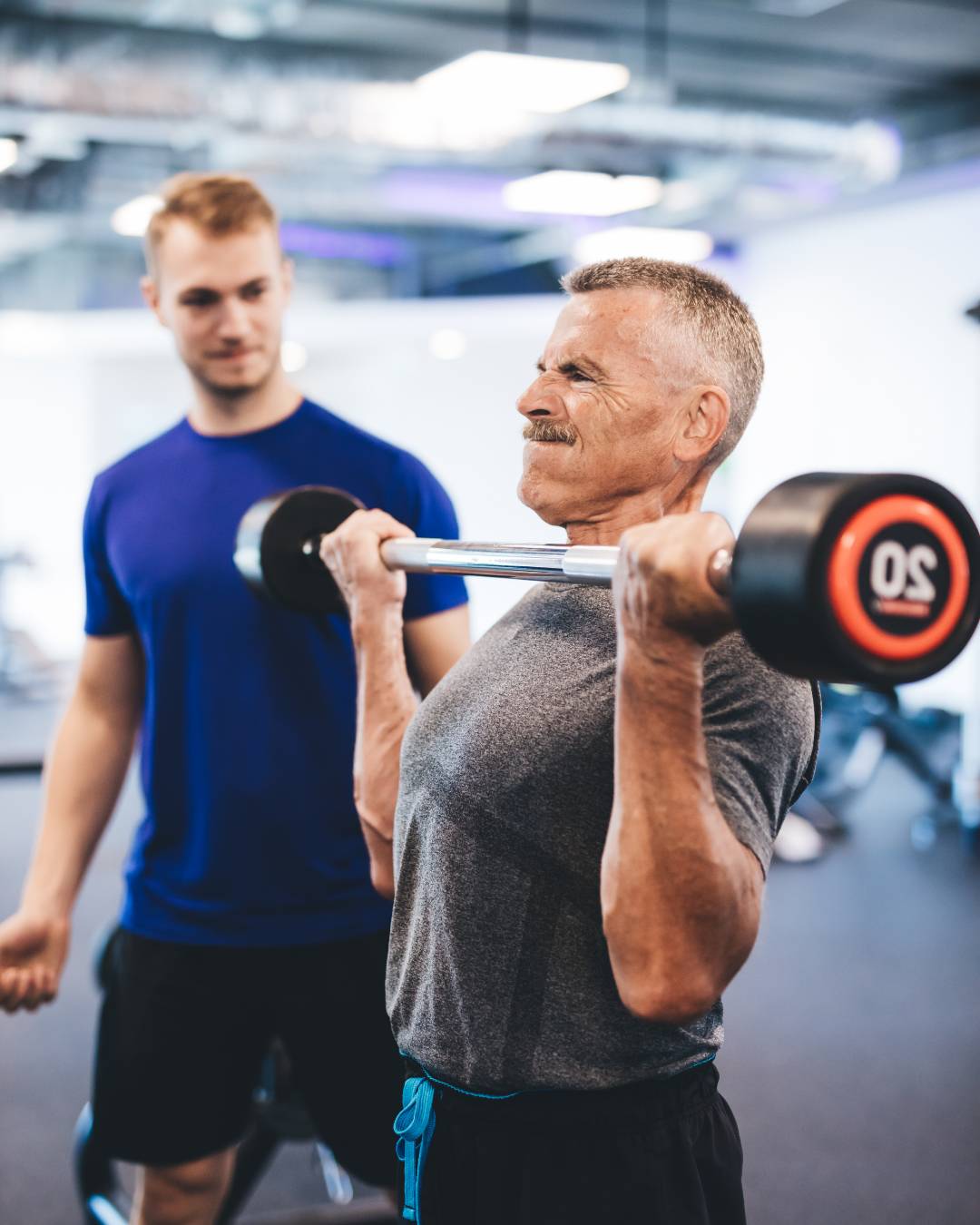
You don’t need intense max lifts. For blood pressure, the sweet spot is moderate loads, good form, steady breathing, and controlled rest. This is also why working with a qualified personal trainer for high blood pressure in Dubai can be helpful: training is personalised, safe, and progression is planned instead of rushed.1) Full-Body Strength (2–4 Days/Week)
Full-body sessions train large muscle groups and spread the work across the body, reducing excessive strain on any single area. They also help with consistency because you don’t need 5–6 gym days to make progress.2) Moderate Loads, More Control
A good starting point is a weight you can lift for 8–12 reps with clean technique. It should feel challenging but not like you’re holding your breath or grinding through ugly reps. This is where strength training supports blood pressure rather than spiking it unnecessarily.3) Longer Rest Than “HIIT Style” Lifting
Rest matters. Very short rests can push your heart rate and pressure up fast. For blood pressure-focused lifting, 60–120 seconds between sets is a solid range for most beginners.4) Avoid Constant Max Effort
Heavy 1–3 rep max training has its place for athletes, but it’s not the first choice if your goal is preventing hypertension. You can build strength without chasing maximal strain.Exercises That Work Well (And Why)
Compound movements recruit big muscle groups and improve overall fitness. But the best plan is always the one you can do safely and consistently. Machines are not “inferior”. For many people with joint pain, older age, or a stressful job schedule, machines are a smart, stable way to build strength without unnecessary risk.- Squats or leg press
- Hip hinges (Romanian deadlifts) or back extensions
- Rows (cable or dumbbell)
- Chest press or push-ups
- Step-ups or lunges (if knees tolerate)
- Farmer carries (light to moderate, great for posture and core)
Breathing: The Most Ignored Blood Pressure Tool
Many people accidentally raise blood pressure during lifting by holding their breath. That technique (often called the Valsalva manoeuvre) is used in heavy strength sports, but it’s not what you want if your main goal is heart health. Use a simple breathing rule: exhale during the effort phase. For example, breathe out as you stand up from a squat or press a weight away from your body. This helps keep training safer and smoother.- Inhale on the easier part of the movement
- Exhale as you lift or push
- Avoid breath-holding on challenging reps
What to Avoid if You Have Elevated Blood Pressure
Strength training is still possible for most people with high readings, but certain approaches are better avoided early on. This isn’t about fear. It’s about choosing training variables that reduce risk while still driving progress.- Very heavy max lifts (especially early on)
- Forced reps and training to absolute failure
- Ultra-short rest circuits that keep heart rate pinned
- Holding breath during reps
- Training hard when dehydrated or sleep-deprived
A Simple Beginner Plan (Blood Pressure-Friendly)
This structure is realistic for busy schedules in Dubai. It prioritises full-body strength, moderate intensity, and consistency. If you’re new, start with two sessions per week and build up. If you’ve been training for a while, three sessions is a strong routine for prevention.- Frequency: 2–3 sessions per week
- Session length: 35–55 minutes
- Intensity: Moderate (you should finish sets with 1–3 reps left in the tank)
- Rest: 60–120 seconds
- Leg press or goblet squat – 3×10
- Seated row – 3×12
- Chest press or incline push-up – 3×10
- Hip hinge (Romanian deadlift light/moderate) – 3×10
- Farmer carry (light/moderate) – 4 rounds of 30–45 seconds
- Cooldown breathing + easy walk – 5–8 minutes
How Long Until You See a Difference?
Some people notice better readings within a few weeks, especially if training helps them sleep better and reduce stress. For more stable changes, expect 8–12 weeks of consistent training. The biggest improvements usually come from a combination of strength training, daily movement, weight management (if needed), and reducing chronic stress. In practice, clients often see the best results when training is structured rather than random. That’s where a personal trainer in Dubai who understands high blood pressure training can make it easier to stay consistent and progress safely.Nutrition and Lifestyle Habits That Amplify Results
Training does a lot, but blood pressure responds best when your daily habits stop working against you. You don’t need perfection. You need a few smart fundamentals that are realistic for UAE life.- Prioritise protein and fibre at meals (keeps cravings and blood sugar steadier)
- Hydrate consistently (Dubai heat makes dehydration easy)
- Reduce alcohol frequency (if applicable)
- Keep sodium reasonable, especially from processed foods
- Protect sleep (even 30–60 minutes more helps)
- Use daily walking as stress management, not just “steps”