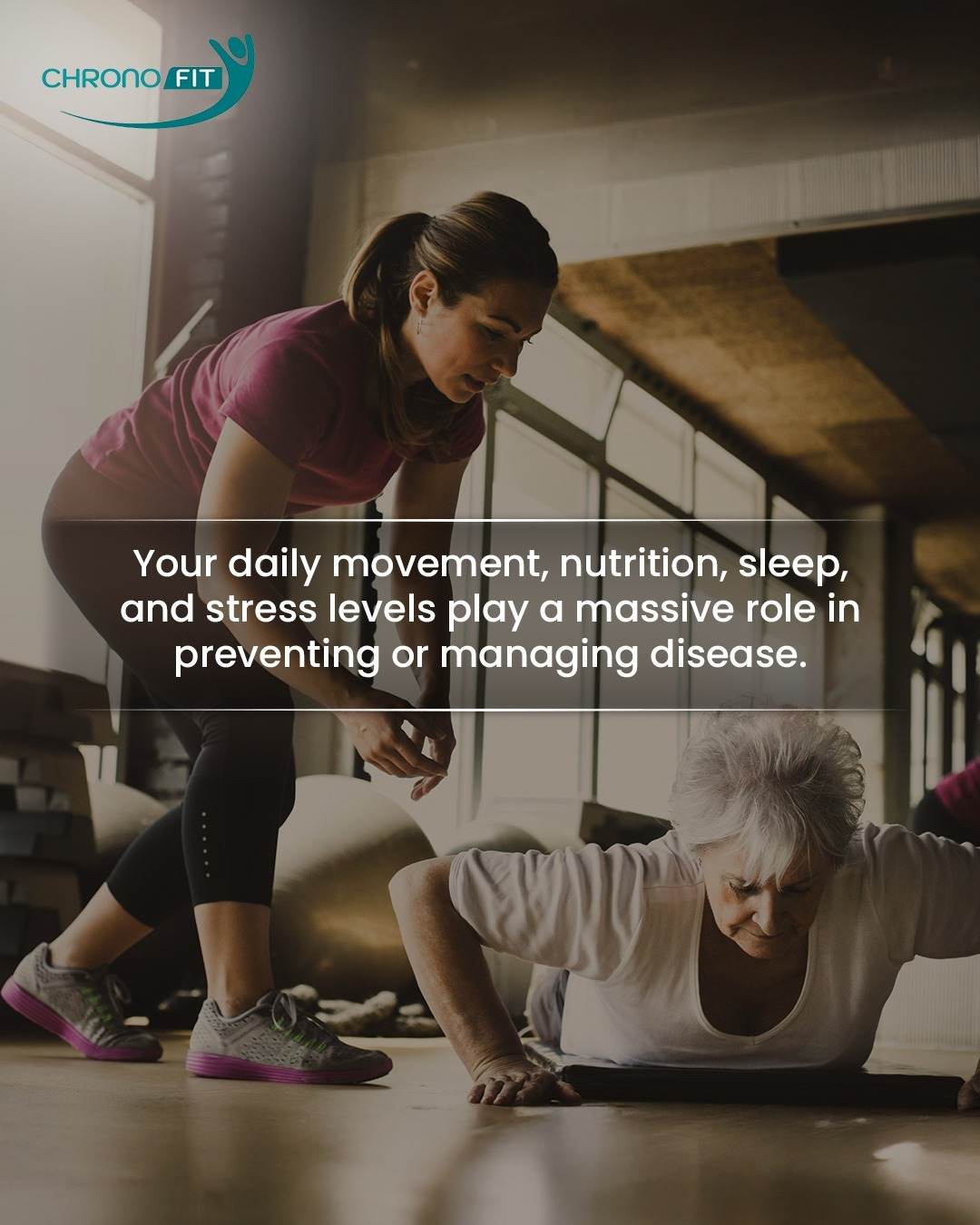
The good news? Low energy isn’t just an age problem. It’s often a muscle and lifestyle problem. With the right guidance from a qualified fitness trainer, personal trainer, or strength trainer, you can reset your energy systems through structured personal training and intelligent resistance training.
Why Energy Declines After 35
Energy isn’t just about willpower. It’s about physiology. Several key changes happen as we age:
Loss of lean muscle mass
Reduced insulin sensitivity
Higher stress hormone exposure
Poor sleep recovery
Lower daily movement levels
When muscle declines and stress rises, the body becomes less efficient at producing and using energy. That’s why caffeine becomes a daily requirement instead of an occasional boost.
The Muscle–Energy Connection
Muscle is metabolically active tissue. It plays a central role in glucose regulation, mitochondrial efficiency, and hormonal balance. When you lose muscle, your metabolic engine slows down.
Resistance training stimulates:
Improved insulin sensitivity
Better glucose uptake into muscle cells
Higher mitochondrial density (energy production capacity)
Improved blood circulation
Enhanced hormonal balance
This is why structured strength training doesn’t just make you stronger—it makes you feel more energised.
Why Random Workouts Don’t Fix Energy
Many people try high-intensity classes or aggressive cardio to “boost energy.” Initially, it feels good. But without proper progression and recovery, it often leads to more fatigue.
A qualified personal trainer or strength trainer understands:
Progressive overload without burnout
Recovery cycles and deload phases
Stress management integration
Balancing strength, mobility, and cardio
Energy improves when training is structured—not when it’s extreme.
How a Fitness Trainer Resets Your Energy Systems
1) Rebuilds Muscle Through Strength Training
Full-body resistance training 2–3 times per week rebuilds lean tissue and restores metabolic efficiency.
2) Stabilises Blood Sugar
Strength training improves glucose control, reducing mid-day crashes and evening cravings.
3) Improves Cardiovascular Capacity
Balanced cardio under guidance improves oxygen delivery without overstressing the nervous system.
4) Enhances Sleep and Recovery
Properly dosed personal training improves sleep depth, which directly boosts daily energy.
5) Reduces Chronic Stress Load
Health coaches and trainers help integrate breathing work, mobility sessions, and realistic scheduling.
What an Energy-Focused Personal Training Program Looks Like
You don’t need daily workouts. You need strategic ones.
Strength training: 2–3 full-body sessions weekly
Daily walking: 20–40 minutes
Mobility work: 8–12 minutes most days
Moderate cardio: 1–2 sessions if recovery allows
A professional fitness trainer ensures these elements complement rather than compete with each other.
Best Strength Exercises to Boost Energy
Compound movements activate large muscle groups and improve circulation and metabolic output.
Squats or leg press
Hip hinges (Romanian deadlifts)
Rows and pull-downs
Chest press or push-ups
Step-ups or lunges
Farmer carries for posture and stability
These exercises, when programmed progressively by a strength trainer, build stamina without draining recovery.
Signs Your Energy Crash Is Muscle-Related
You feel strong only after caffeine
You experience afternoon fatigue regularly
Sleep feels unrefreshing
Fat accumulates around the abdomen
Workouts leave you exhausted instead of refreshed
These are often signs of metabolic inefficiency—not simply aging.
FAQs (People Also Ask)
Why does energy decrease with age?
Muscle loss, hormonal shifts, poor sleep, and reduced metabolic efficiency all contribute to declining energy.
Can strength training improve energy levels?
Yes. Resistance training improves insulin sensitivity, circulation, and mitochondrial efficiency, which supports stable energy.
How often should I train to boost energy?
2–3 structured strength sessions per week combined with daily movement is effective for most adults.
Is a personal trainer necessary?
While not mandatory, a qualified personal trainer or fitness trainer ensures safe progression and long-term consistency.
Does cardio alone improve energy?
Cardio helps, but without resistance training, muscle decline continues. A combination is most effective.
Final Thoughts
Energy crashes with age not because you’re “getting old,” but because muscle declines and stress accumulates. The solution isn’t more stimulants or extreme workouts. It’s intelligent personal training that rebuilds muscle, stabilises metabolism, and protects recovery.
With the right guidance from a fitness trainer, strength trainer, or health coach, you can reset your energy systems and feel stronger, sharper, and more resilient—no matter your age.