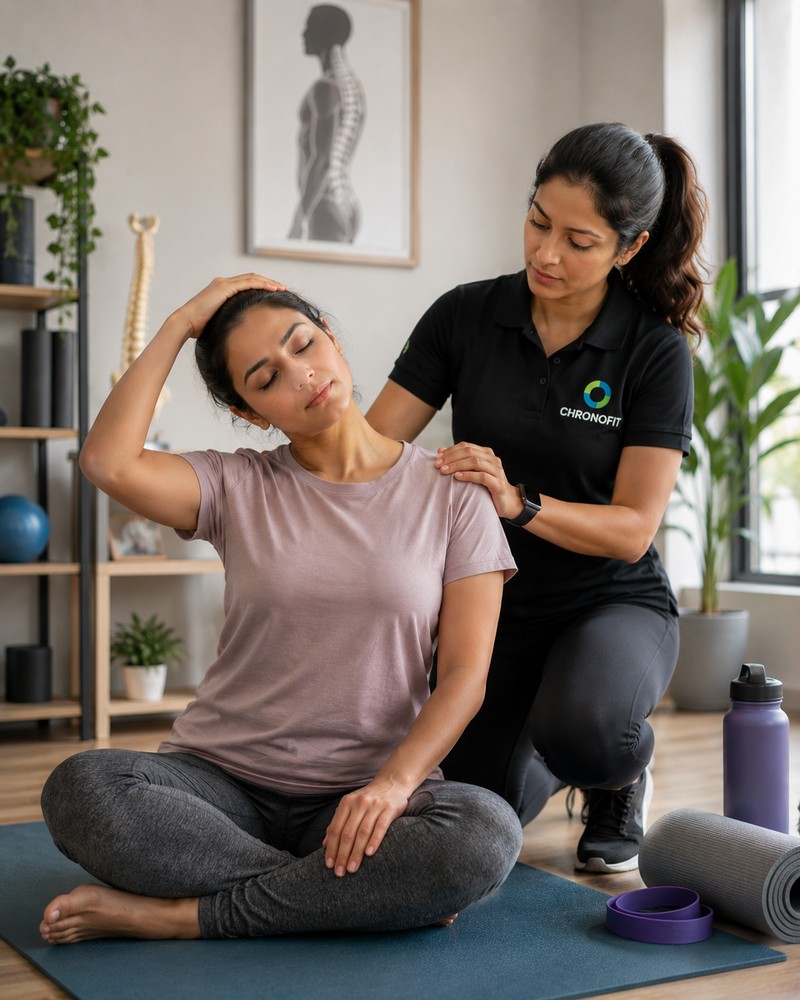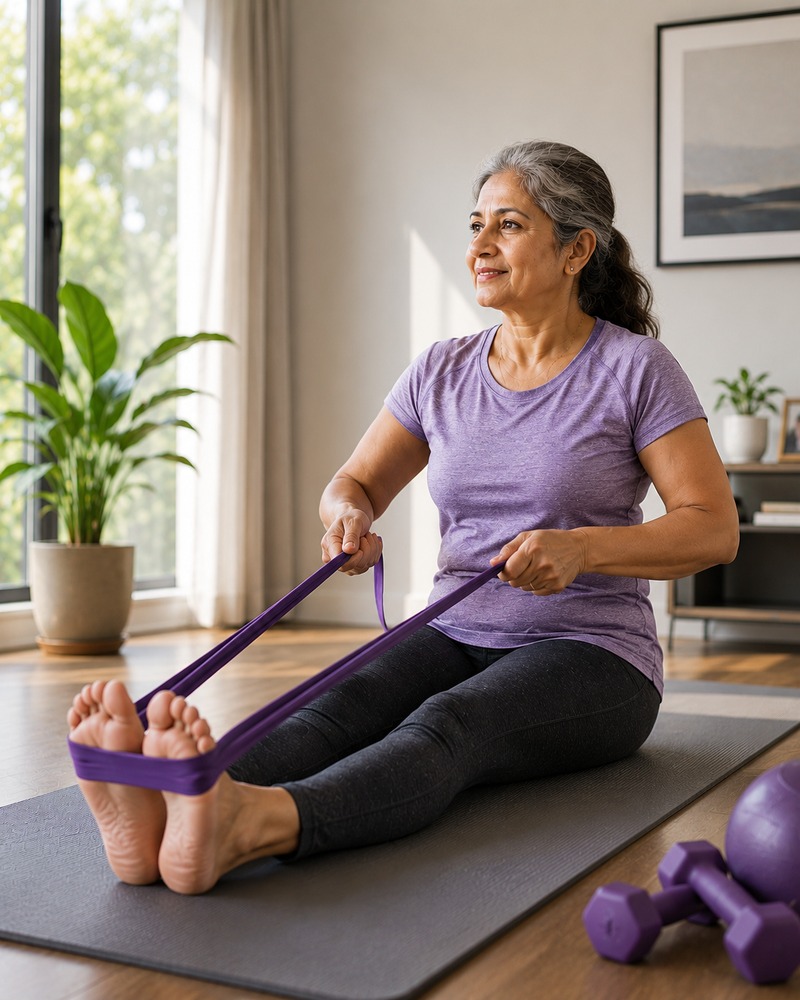
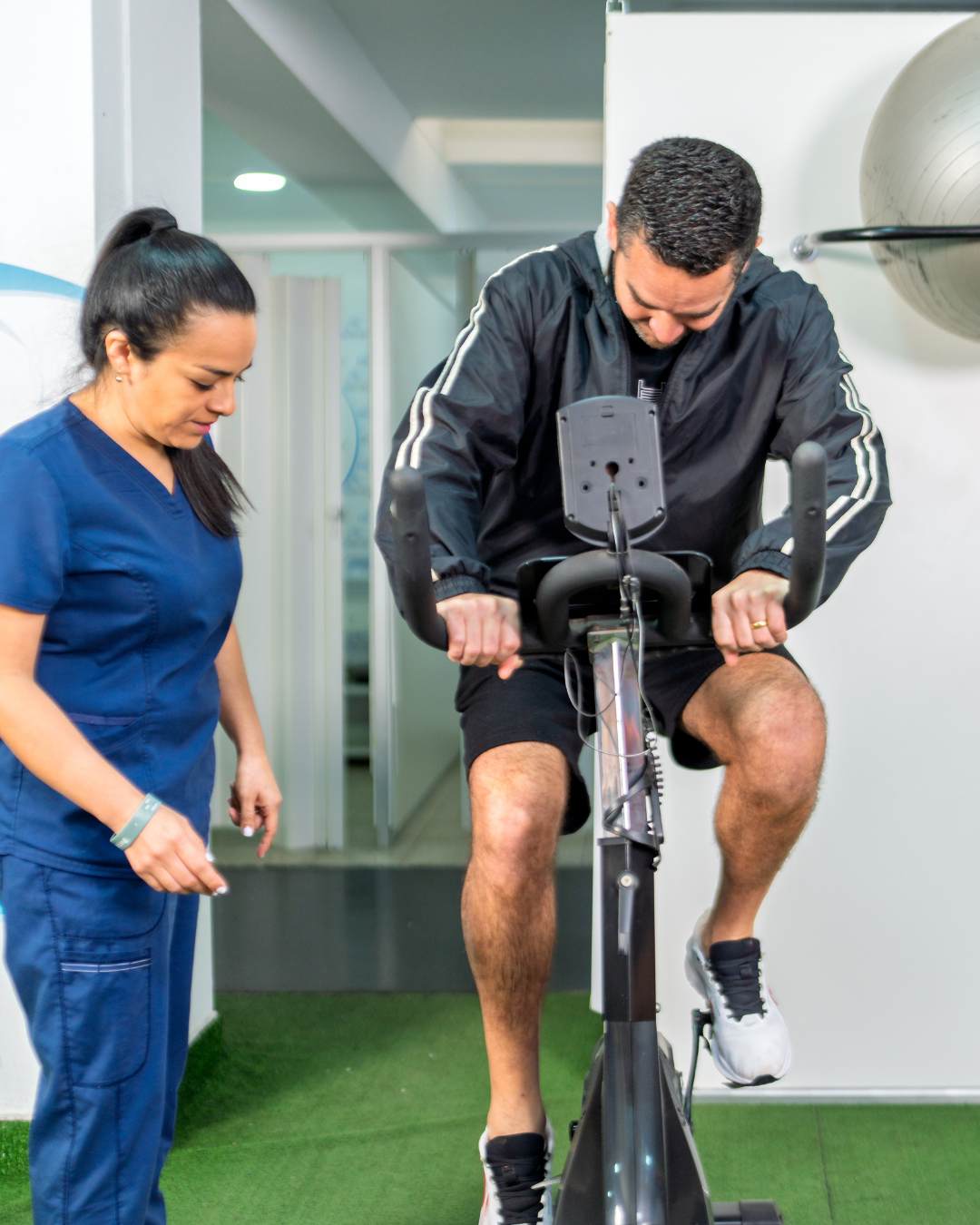
That’s where a rehabilitation personal trainer comes in. If you’re searching for “rehab personal training Dubai” or “rehab personal trainer Dubai”, this guide will help you understand the difference between rehab-focused training and regular personal training, when each is appropriate, and how to choose someone you can actually trust after injury.
First, What Counts as “After Injury”?
Not every ache needs rehab. But certain situations absolutely do. If you’ve recently finished physiotherapy or you’ve been “cleared” medically but still feel weak, stiff, or unsure, you’re in the grey zone where rehab training matters most.
Post-surgery recovery (ACL, meniscus, shoulder repairs)
Back pain that keeps returning
Recurring ankle, knee, hip, or shoulder issues
Chronic tendon pain (Achilles, rotator cuff, patellar tendon)
“Physio is done but I don’t feel ready” situations
What this really means is: your body might be healed, but it may not be ready for normal training loads yet. Rehab training bridges that gap.
What a Regular Trainer Typically Does Well
A regular personal trainer is usually focused on general outcomes: fat loss, muscle gain, strength, conditioning, and lifestyle consistency. In a healthy body, this is great. The programming is often built around progressive overload, intensity, and pushing performance.
Strength training and body recomposition
Fat loss plans and accountability
Fitness routines for beginners and intermediates
General mobility and warm-ups
Motivation, structure, and consistency
The issue is not that regular trainers are “bad”. The issue is that injury rehab requires different decision-making. If someone treats your rehab like a normal program with a few stretches added, you can regress fast.
What a Rehabilitation Personal Trainer Does Differently
A rehabilitation personal trainer specialises in post-injury training, movement correction, and graded load progression. Their job is to rebuild strength, mobility, balance, and confidence without flaring symptoms. This is why rehab personal training in Dubai is often the next step after physiotherapy, especially when you’re returning to sport, heavy lifting, or demanding daily movement.
A rehab-focused trainer typically works with:
Movement assessments and pain triggers
Range of motion restoration
Rebuilding strength symmetry (left vs right)
Stability work (ankle, knee, hip, shoulder control)
Return-to-run and return-to-sport progression
Load management to avoid flare-ups
Rehab training is less about “working hard” and more about “working smart.” The goal is to earn intensity, not start with it.
Physio vs Rehab Trainer: Where Each Fits
Many people assume physiotherapy is the full recovery process. It’s not always. Physiotherapy often focuses on reducing pain, restoring basic mobility, and getting you functional. Rehab training focuses on rebuilding performance and strength so you can safely handle real life again.
Physio: pain management, mobility, early rehab, clinical guidance
Rehab personal training: strength rebuilding, load progression, return to full function
Regular training: general fitness and performance once your foundation is stable
If you stop at physio, you may feel “better” but still not strong enough to handle normal training. That’s where re-injury risk stays high.
When You Should Choose a Rehabilitation Personal Trainer
If you’re unsure, use this simple rule: if your injury changes how you move, you need rehab-focused coaching first. A rehab personal trainer in Dubai is usually the right choice if any of the below apply.
You still feel pain or tightness with basic movements
You have a fear of certain movements (squat, hinge, overhead press)
Your strength feels uneven side-to-side
You “feel healed” but your body doesn’t feel stable
You’ve had the same injury come back multiple times
You’re returning to sport or heavy training after injury
In these cases, a regular trainer may push you into intensity before you’re ready, even with good intentions.
When a Regular Trainer Is Enough
A regular personal trainer is a great choice if your injury is fully resolved, you have no pain with movement, and you don’t have major restrictions. Many people do well once they’ve built basic strength, mobility, and confidence again.
No pain during or after training
Full range of motion is back
Strength and balance feel normal
You can squat, hinge, push, and pull without compensation
If you’re in this zone, a regular trainer can help you build fitness and results faster without overcomplicating things.
Red Flags: Who You Should Not Trust After Injury
After injury, the wrong coach can slow recovery or cause setbacks. Watch out for these signs.
They ignore pain signals and tell you to “push through”
They rush progression without testing stability
They don’t ask about your diagnosis, scans, or physio plan
They use the same generic program for everyone
They don’t adjust exercises when symptoms flare
Good rehab coaching is measured. If you feel rushed, it’s usually a warning sign.
What to Ask Before Hiring a Rehab Personal Trainer in Dubai
You don’t need to become an expert. You just need the right questions.
Have you worked with this injury type before (ACL, rotator cuff, disc issues)?
How do you assess movement before building the program?
How do you progress load safely over weeks?
Do you coordinate with my physiotherapist or doctor if needed?
How do you track readiness for return to sport or full training?
A strong rehabilitation personal trainer will have clear answers and a process. Vague promises usually mean vague programming.
What a Safe Rehab Training Plan Looks Like
Rehab training is built around phases. You don’t jump to heavy loading. You earn it through consistent progression.
Phase 1: Restore movement and reduce flare-ups
Mobility work and joint control
Pain-free strength patterns
Basic core and stability training
Phase 2: Build strength and symmetry
Unilateral work (single-leg, single-arm)
Progressive loading with controlled tempo
Range expansion gradually, not forced
Phase 3: Return to performance
Sport-specific patterns and conditioning
Impact progressions (if needed)
Confidence and capacity rebuilding
This is why rehab personal training in Dubai can feel different from normal training. It’s structured around readiness, not ego.
FAQs (People Also Ask)
What is the difference between a rehab trainer and a normal personal trainer?
A rehab trainer focuses on post-injury movement, strength rebuilding, and safe load progression. A regular trainer focuses on general fitness and results once the body is already stable.
Can I go back to the gym after physiotherapy?
Often yes, but returning safely depends on whether you’ve rebuilt strength, mobility, and control. Rehab training bridges the gap between physio and normal workouts.
Is rehab personal training worth it?
If you have recurring injuries, weakness, pain with movement, or a recent surgery, rehab personal training can reduce setback risk and speed up your return to full function.
How do I know if I’m ready for regular training after injury?
You’re usually ready when you can move through full range without pain, your strength feels balanced side-to-side, and your body feels stable under load.
What injuries benefit most from rehab personal training?
ACL and knee injuries, shoulder injuries, back pain, hip issues, ankle instability, and tendon pain are common cases where rehab coaching helps significantly.
Final Thoughts
After injury, trust shouldn’t be based on confidence or hype. It should be based on process. A regular personal trainer is great when your body is stable. A rehabilitation personal trainer is the safer choice when you’re rebuilding after injury and need progression that respects your recovery.
If you want to return to training without guessing, choose rehab personal training in Dubai that is assessment-led, progression-based, and focused on long-term outcomes, not just sweating in the session.