Osteoporosis, osteoarthritis and rheumatoid arthritis often reduce confidence with movement and exercise. This blog explains how condition-conscious strength training supports bone density, joint stability, mobility and long-term independence safely.
Osteoporosis, Osteoarthritis and Rheumatoid Arthritis: Why Movement Is Essential for Healthy Aging
Many people with arthritis or osteoporosis become fearful of exercise because they worry movement may worsen pain or joint damage. Unfortunately, avoiding movement completely often creates even more weakness, stiffness and instability. Condition-conscious training can help introduce safer movement and strength progression around joint tolerance. Healthy aging depends heavily on preserving muscle strength, balance and movement confidence. This is why strength training is becoming one of the most important tools for maintaining long-term independence and mobility.Understanding These Conditions
Osteoporosis
Osteoporosis reduces bone density over time, increasing the risk of fractures and instability. It commonly affects older adults, especially women after menopause.Osteoarthritis
Osteoarthritis involves wear-and-tear related joint degeneration that may lead to stiffness, pain and reduced mobility.Rheumatoid Arthritis
Rheumatoid arthritis is an autoimmune condition that causes inflammation, joint pain and movement difficulty. Although these conditions are different, movement and strength remain critically important for all of them.Why Inactivity Worsens Joint and Bone Health
When movement decreases:- Muscle mass declines
- Balance worsens
- Joint stiffness increases
- Movement confidence reduces
- Daily activities become harder
Why Strength Training Matters for Healthy Aging
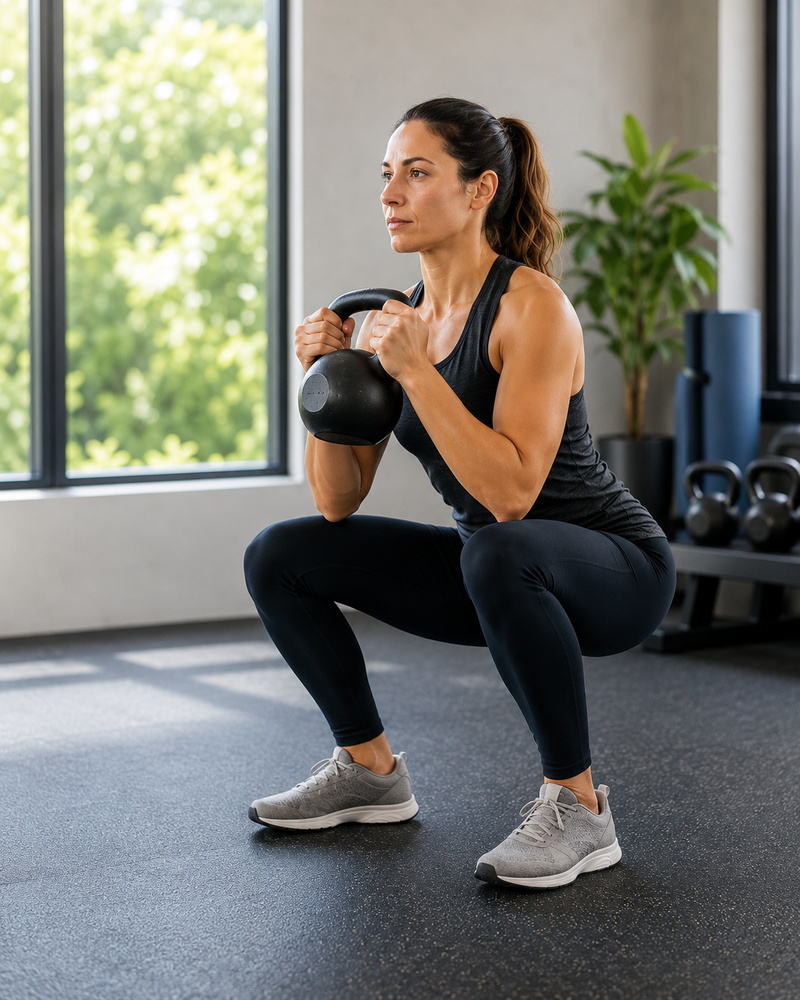
Strength training provides important physical support during aging. Benefits may include:- Improved muscular support around joints
- Better balance and coordination
- Reduced fall risk
- Improved movement confidence
- Support for bone-loading stimulus
- Improved walking and stair ability
Best Exercises for Arthritis and Osteoporosis-Friendly Training
- Supported squats
- Leg press
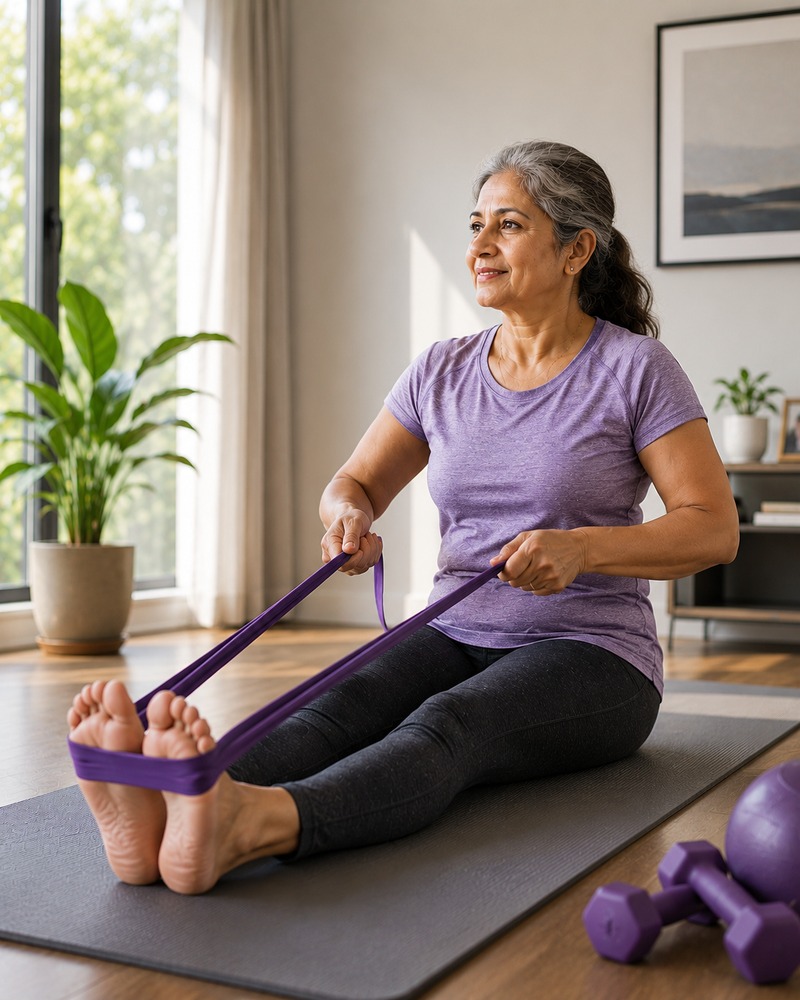
- Resistance band rows
- Step-ups
- Farmer carries
- Balance drills
- Walking and mobility exercises
Why Walking Is Still One of the Best Habits
Walking improves circulation, joint lubrication and movement confidence without excessive impact. Walking may support:- Better daily mobility
- Reduced stiffness
- Improved cardiovascular health
- Reduced sedentary behaviour
Why Recovery and Mobility Work Matter
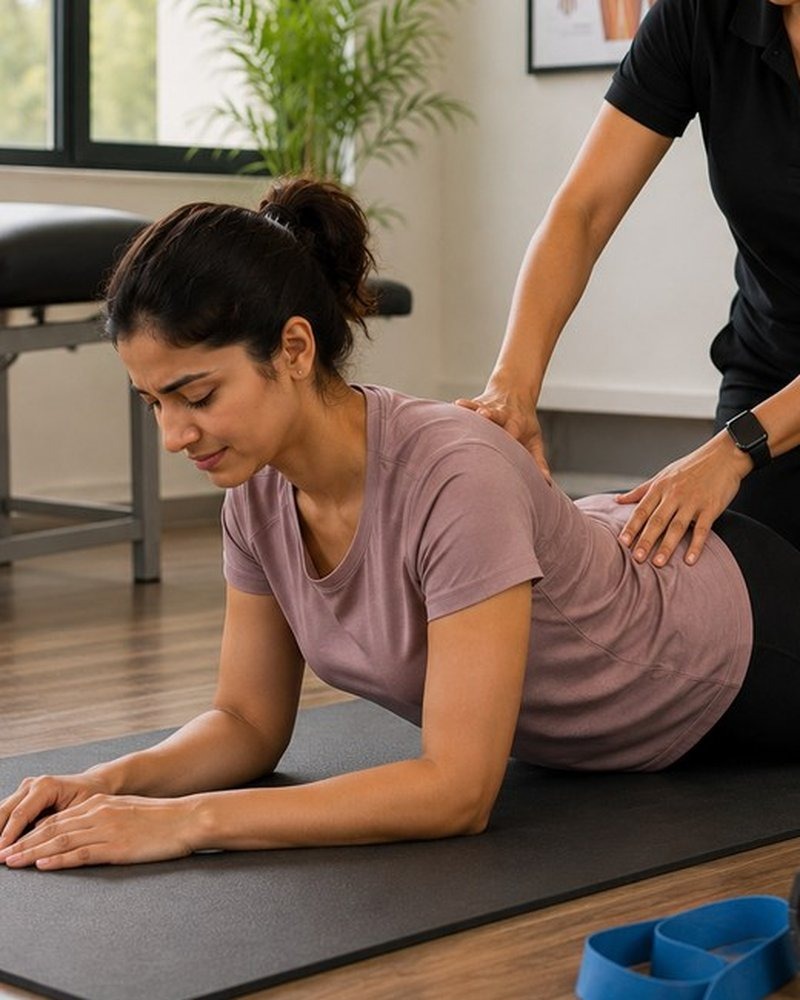
People managing arthritis-related conditions often benefit from combining strength work with mobility and recovery-focused movement. Guidance from expert trainers can help adapt exercises around stiffness, fatigue, balance and individual medical considerations.- Mobility work helps reduce stiffness
- Recovery days help manage fatigue
- Balanced progression reduces overload risk
How Chronofit Supports Healthy Aging and Joint-Friendly Training
Chronofit’s condition-conscious personal training approach focuses on safer movement progression, balance, mobility and sustainable strength development for individuals managing arthritis, osteoporosis and age-related musculoskeletal concerns. Learn why clients choose ChronoFit for a personalised approach to healthy aging and joint-friendly exercise. Programs are adapted around recovery, confidence and long-term movement quality.FAQs
Can strength training help osteoporosis?
Strength training provides mechanical stimulus that may help support bone health and physical stability.Is exercise safe for arthritis?
Yes. Condition-conscious movement and strength training often help improve joint support and mobility.Should older adults avoid lifting weights?
No. Properly structured strength training is highly beneficial for healthy aging and movement independence.Why does inactivity worsen arthritis symptoms?
Inactivity often increases stiffness, weakness and reduced joint support.How does Chronofit approach healthy aging fitness?
Chronofit focuses on condition-conscious strength development, mobility and sustainable long-term movement support.Final Thoughts
Conditions such as osteoporosis and arthritis do not mean movement should stop. In many cases, safer and smarter movement becomes even more important for preserving independence, balance and quality of life. Chronofit’s condition-conscious personal training approach helps individuals age more confidently through supportive strength training, mobility and long-term movement resilience.Move with Greater Strength and Confidence
Managing osteoporosis, osteoarthritis or rheumatoid arthritis? Speak with a ChronoFit specialist about joint-conscious strength and mobility training tailored to your needs.
Call or WhatsApp:
+971 56 949 4247
Email:
info@chronofit.me