Rehab Personal Training in Dubai: How to Rebuild Strength Safely After Pain or Injury
Recovering from pain or injury is not just about feeling better. It is about becoming strong enough to move, train and live without constantly worrying about flare-ups. Many people in Dubai complete physiotherapy, feel some improvement, and then get stuck. They are not in severe pain anymore, but they are not ready for normal gym training either.
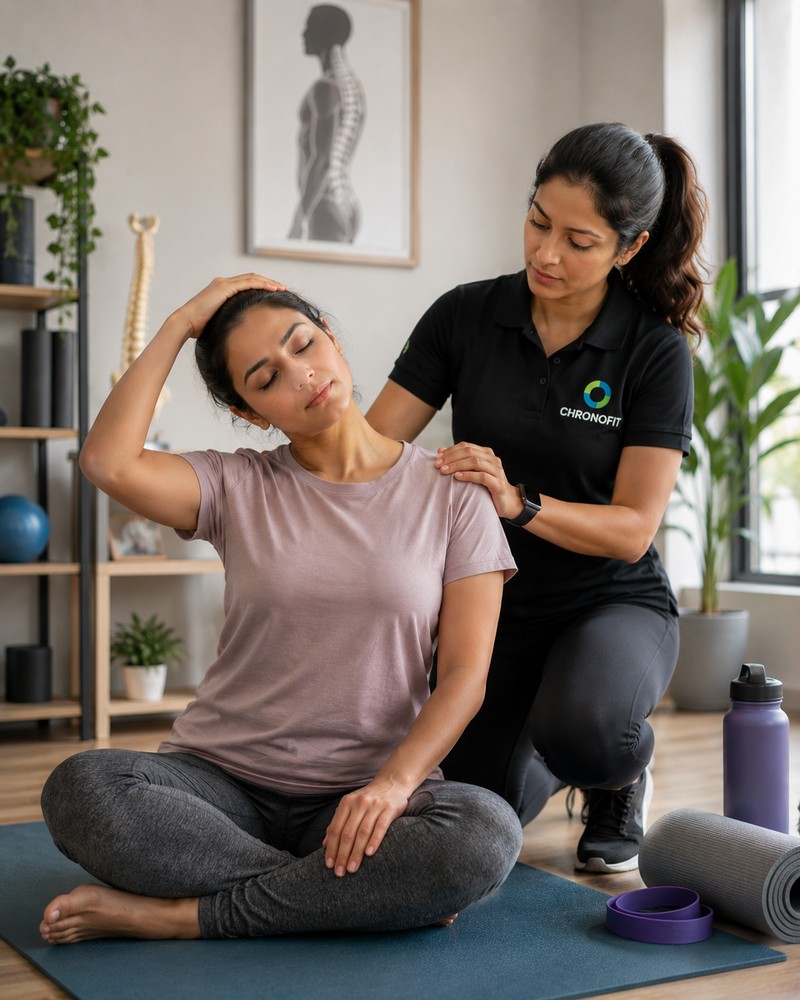
This is where rehab personal training becomes valuable. A rehab personal trainer helps you rebuild strength, mobility, balance and movement confidence after injury, surgery or recurring pain. The goal is not to rush you back into intense workouts. The goal is to restore capacity safely and progressively.
What Is Rehab Personal Training?
Rehab personal training is a structured training approach for people recovering from injury, chronic pain, surgery or movement limitations. It sits between clinical rehabilitation and regular fitness training. While physiotherapy often focuses on pain reduction and early recovery, rehab personal training focuses on rebuilding physical strength for real life.
Restoring pain-free movement patterns
Building strength around weak or unstable joints
Improving mobility and posture
Correcting compensations caused by injury
Gradually returning to full training or sport
A personal rehab trainer does not replace a doctor or physiotherapist. Instead, they help you continue the recovery process once you are ready to train with more structure and load.
Why Rehab Personal Training Matters After Injury
Many people stop rehabilitation too early. Pain reduces, daily movement improves, and they assume the injury is fixed. But the body may still have weakness, instability or poor movement habits. If you return to normal workouts too quickly, the same issue can come back.
Rehab personal training helps solve this by rebuilding the missing foundation.
Strength: to support joints and reduce overload
Mobility: to restore healthy range of motion
Stability: to control movement under load
Confidence: to move without fear
This is especially important for people with recurring back pain, knee pain, shoulder issues, ankle instability or post-surgery weakness.
Who Needs a Rehab Personal Trainer?
You may benefit from a rehab personal trainer in Dubai if you are dealing with any of the following:
Lower back pain that keeps returning
Knee pain during squats, stairs or walking
Shoulder pain during pressing or overhead movement
Post-surgery recovery after ACL, meniscus or shoulder procedures
Weakness after long inactivity or illness
Fear of returning to exercise after injury
If you feel “cleared” but not confident, rehab personal training Dubai programs can help bridge that gap.
How Rehab Personal Training Is Different from Regular Training
Regular training usually starts with fitness goals such as fat loss, strength gain or body transformation. Rehab personal training starts with movement quality, pain history and load tolerance.
Regular Personal Training Focuses On:
General fitness
Weight loss
Muscle building
Conditioning
Rehab Personal Training Focuses On:
Safe movement restoration
Corrective strength training
Joint stability
Gradual return to performance
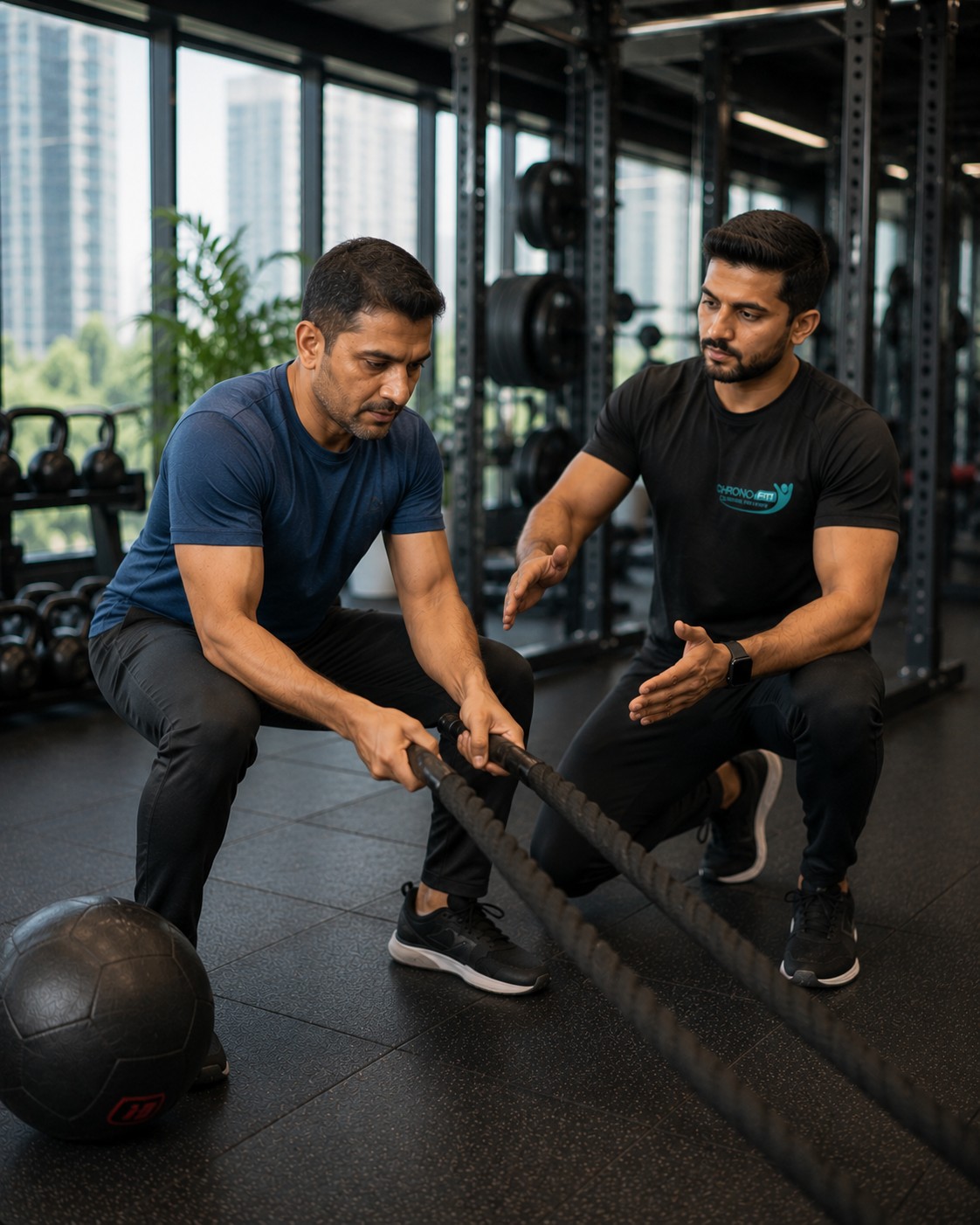
The difference is not effort. The difference is sequencing. A rehab personal trainer knows that some movements need to be earned gradually before intensity is added.
Common Conditions Rehab Personal Training Can Support
Rehab personal training can help with a wide range of pain and movement issues, especially when the acute medical phase has passed and the person needs structured strengthening.
Chronic lower back pain
Disc-related stiffness after clearance
Knee pain and post-ACL recovery
Shoulder impingement and rotator cuff weakness
Ankle sprains and instability
Hip weakness and poor glute activation
Postural pain from desk work
What a Rehab Personal Training Program Looks Like
A good rehab personal training program is phased. It does not jump straight into heavy lifting. It starts with assessment, control and gradual progression.
Phase 1: Assessment and Movement Screening
The trainer reviews pain history, movement limitations, posture, balance and strength differences. This helps identify what needs to be rebuilt first.
Phase 2: Mobility and Activation
This phase restores range of motion and wakes up weak or underactive muscles. It may include hip mobility, shoulder control, core stability and glute activation.
Phase 3: Corrective Strength Training
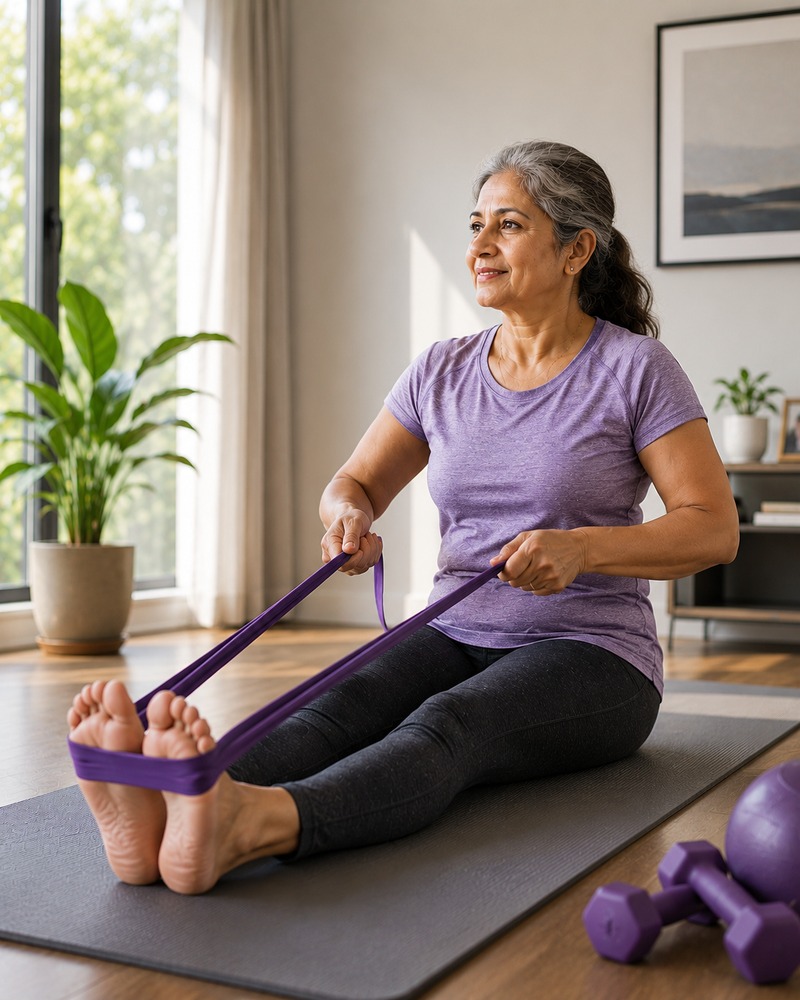
Strength is rebuilt through controlled movements. The focus is on clean technique, pain-free range and balanced loading.
Phase 4: Functional Strength and Return to Training
Once the foundation improves, the program gradually adds more complex patterns, heavier loads and sport-specific movements if needed.
Best Exercises Often Used in Rehab Personal Training
The exact exercises depend on the injury, but many rehab programs use controlled strength movements like:
Glute bridges and hip thrusts
Step-ups and split squat variations
Bird-dogs and dead bugs for core stability
Seated rows and face pulls for posture
Romanian deadlifts for hip hinge strength
Farmer carries for core and joint stability
These exercises are not selected randomly. They are chosen based on how your body moves and what needs to become stronger.
Why Dubai Professionals Often Need Rehab Training
Dubai lifestyles can increase injury risk without people realising it. Long sitting hours, driving, work stress and inconsistent exercise patterns create stiffness and weakness. Then when someone suddenly returns to intense training, pain appears.
Common Dubai lifestyle factors include:
Long desk hours causing hip and back stiffness
Low daily walking due to driving and indoor routines
Weekend-only intense workouts
Stress-related muscle tension
Poor recovery due to late nights and travel
Rehab personal training in Dubai should account for these lifestyle realities instead of treating pain as a purely gym-related issue.
FAQs
What does a rehab personal trainer do?
A rehab personal trainer helps rebuild strength, mobility, stability and confidence after pain, injury or surgery through safe progressive training.
Is rehab personal training the same as physiotherapy?
No. Physiotherapy usually focuses on clinical treatment and early recovery. Rehab personal training focuses on rebuilding strength and function after the acute stage.
When should I start rehab personal training after injury?
You should start once your doctor or physiotherapist has cleared you for exercise, or when pain is controlled enough for structured movement.
Can rehab personal training help back pain?
Yes, especially when back pain is linked to weakness, poor posture, poor hip mobility or lack of core stability.
Is rehab personal training in Dubai suitable for beginners?
Yes. It is often ideal for beginners who have pain, stiffness or injury history and need a safer way to start training.
Final Thoughts
Recovering from injury is not just about removing pain. It is about rebuilding the strength and confidence to move freely again. Rehab personal training gives you that bridge between treatment and full fitness.
If you are looking for a rehab personal trainer in Dubai, choose someone who focuses on assessment, progression and long-term movement quality. The right program should help you train smarter, move better and reduce the risk of injury returning.