
Menopause and Strength Training: Why Muscle Becomes More Important After 40
Many women notice major body changes during menopause even when their eating habits and activity levels stay similar. Energy may feel lower, recovery becomes slower and fat distribution often changes, especially around the abdomen.
What many women are not told is that menopause also affects muscle mass, bone density and metabolic health. This is why strength training becomes increasingly important during this phase of life.
Instead of focusing only on weight loss, menopause-focused fitness should prioritise strength, movement quality, recovery and long-term resilience.
How Menopause Affects the Body
Hormonal changes during menopause can influence several physical systems at once.
Reduced muscle mass
Slower metabolism
Increased abdominal fat accumulation
Reduced bone density
Joint stiffness and mobility issues
Lower recovery capacity
Sleep disturbances and fatigue
This is why generic “fat-loss workouts” often fail to support long-term health during menopause.
Why Strength Training Matters During Menopause
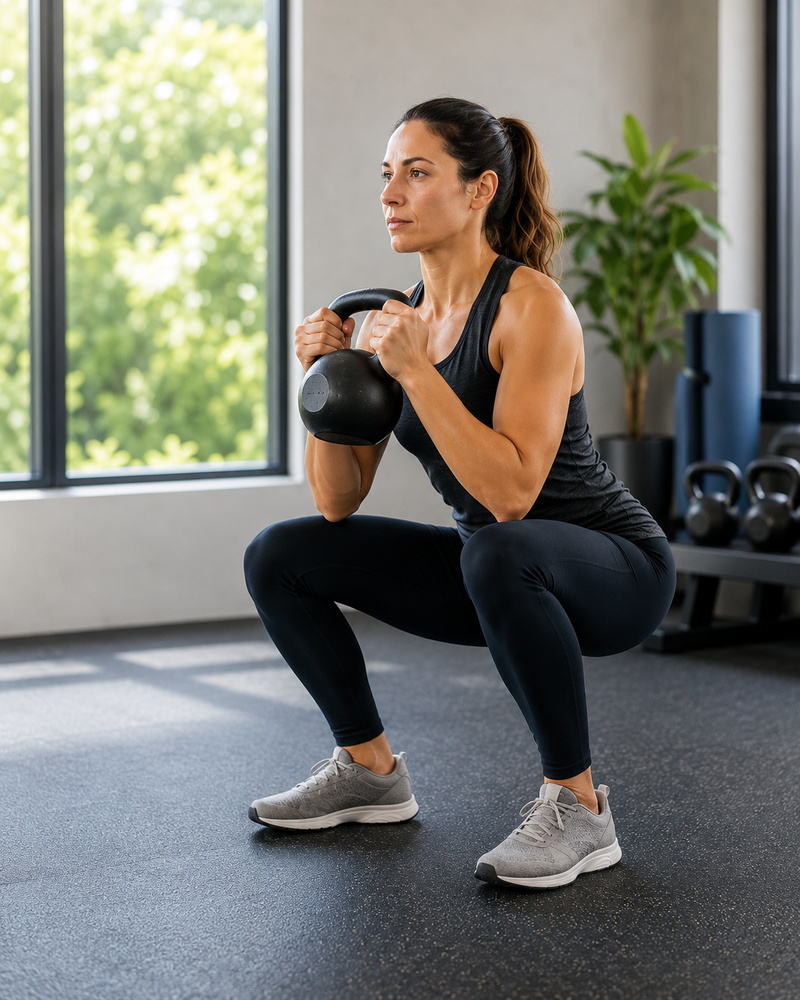
Strength training helps preserve and build muscle, which becomes increasingly important with age.
Muscle supports:
Healthier metabolism
Better glucose regulation
Improved posture and movement
Joint support and stability
Long-term independence and physical function
Women who maintain strength and muscle often experience better physical resilience as they age.
Why Menopause Is Not Just About Weight Gain
Many women become frustrated because scale weight may increase more easily during menopause. But focusing only on weight can overlook more important health factors.
The real priorities should include:
Preserving muscle mass
Improving bone health
Maintaining mobility and balance
Supporting metabolic health
Improving energy and recovery
This creates a healthier and more sustainable aging process.
Why Excessive Cardio Can Increase Fatigue
Many women respond to menopausal weight changes by dramatically increasing cardio and reducing calories. Unfortunately, this can increase fatigue and muscle loss.
Signs a training plan may be too aggressive include:
Constant soreness
Poor sleep quality
Low energy levels
Reduced strength
Difficulty staying consistent
Sustainable strength-focused training is often more supportive than excessive calorie-burning workouts.
Best Strength Training Exercises During Menopause
Exercises should focus on preserving strength, mobility and confidence.
Goblet squats or leg press
Romanian deadlifts
Step-ups
Rows and pull-downs
Chest press
Farmer carries
Compound exercises that train large muscle groups provide strong metabolic and functional benefits.
Why Bone Health Matters More During Menopause
Hormonal changes can affect bone density over time. Strength training helps create mechanical stimulus that supports bone health and joint stability.
This becomes especially important for:
Reducing fall risk
Supporting posture and balance
Maintaining independence with age
Healthy aging requires more than simply staying thin.
Why Walking and Mobility Still Matter
Walking and mobility work support circulation, recovery and joint movement.
Walking may help:
Reduce sedentary time
Support cardiovascular health
Improve mood and energy
Support daily movement consistency
Mobility exercises help reduce stiffness and improve movement confidence.
How Chronofit Supports Menopause-Friendly Personal Training
Chronofit’s condition-conscious personal training approach focuses on sustainable strength training, recovery and long-term physical resilience for women navigating menopause.
Programs are adapted around mobility, energy levels, recovery capacity and movement quality instead of extreme fat-loss pressure.
Signs Your Menopause-Focused Training Plan Is Working
Improved strength and posture
Better daily energy
Improved movement confidence
Better workout recovery
Improved consistency with exercise
Long-term progress should focus on resilience and capability, not only scale weight.
FAQs
Why is strength training important during menopause?
Strength training helps preserve muscle mass, support metabolism and maintain bone health during menopause.
Can menopause affect muscle and metabolism?
Yes. Hormonal changes may contribute to muscle loss, slower metabolism and changes in body composition.
Should menopausal women avoid lifting weights?
No. Strength training is one of the most beneficial forms of exercise for healthy aging.
Is walking enough during menopause?
Walking helps, but combining it with strength training provides additional metabolic and musculoskeletal benefits.
How does Chronofit support menopause-focused fitness?
Chronofit uses condition-conscious training focused on sustainable strength, mobility and recovery-aware progression.
Final Thoughts
Menopause changes the body, but it does not mean women should stop prioritising strength and movement. Building muscle and improving movement quality become even more important for long-term health and independence.
Chronofit’s condition-conscious personal training approach helps women navigate menopause with smarter fitness strategies focused on strength, resilience and sustainable wellbeing.
Start a Menopause-Focused Training Plan
Struggling with low energy, muscle loss or body composition changes during menopause? Speak with a ChronoFit specialist about personalised strength training for women over 40.
Call or WhatsApp:
+971 56 949 4247
Email:
info@chronofit.me