Lipid Profile Explained: What Your Cholesterol Numbers Say About Your Health
Many people receive a lipid profile report and only focus on whether cholesterol is “high” or “normal.” But the numbers tell a bigger story about metabolism, cardiovascular risk, insulin resistance and overall lifestyle health.
Your lipid profile is not only influenced by food. Sleep, stress, muscle mass, physical activity and body composition all affect these markers. This is why strength training and structured movement are becoming increasingly important in modern preventive health.
What Is a Lipid Profile?
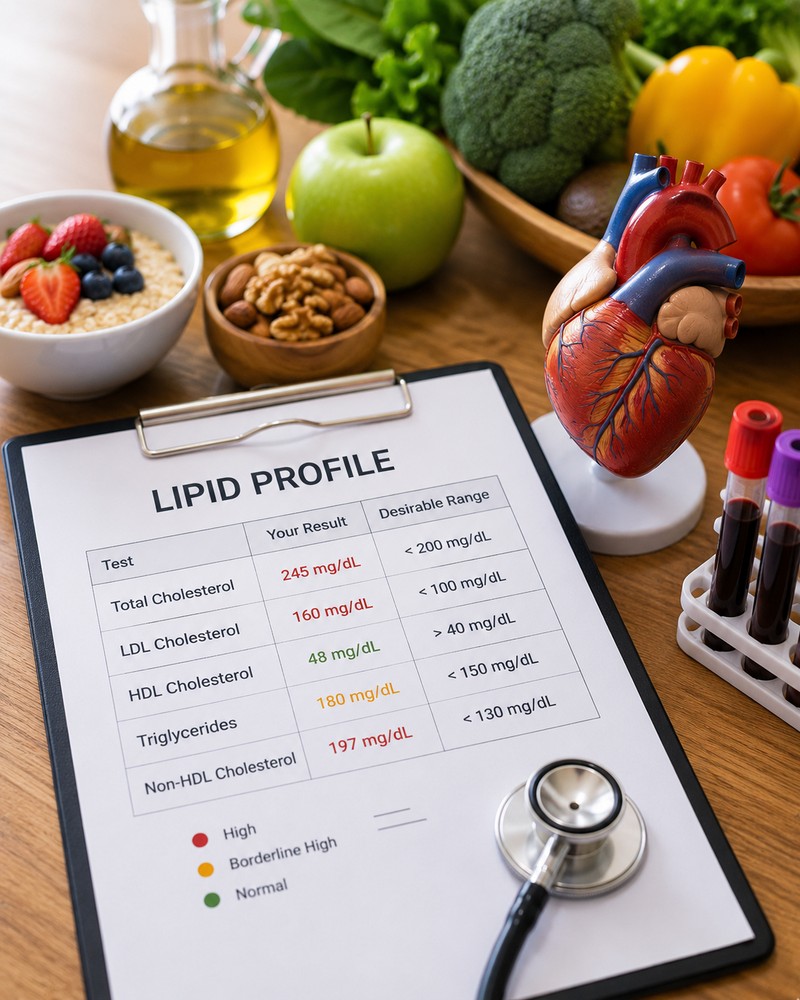
A lipid profile is a blood test that measures fats in the bloodstream. These values help assess cardiovascular and metabolic health risk.
Total Cholesterol
This reflects the total amount of cholesterol in the blood, including LDL and HDL components.
LDL Cholesterol
LDL is often referred to as “bad cholesterol” because high levels may contribute to plaque buildup in arteries.
HDL Cholesterol
HDL is considered “good cholesterol” because it helps transport excess cholesterol away from arteries.
Triglycerides
Triglycerides are strongly connected to insulin resistance, obesity, fatty liver and metabolic health.
Looking at the full picture is more useful than focusing on a single number.
Why Triglycerides Matter More Than Many People Think
High triglycerides are often linked to excess sugar intake, insulin resistance, abdominal fat and low physical activity. They are commonly elevated in people with:
Prediabetes or diabetes
Fatty liver
Low muscle mass
Sedentary work lifestyles
Poor sleep and stress management
This is why improving triglycerides often requires broader metabolic improvement, not just avoiding fatty foods.
How Strength Training Improves Lipid Profile Markers
Strength training improves how the body handles energy. Building muscle helps increase glucose uptake, improve insulin sensitivity and reduce visceral fat, which indirectly supports healthier lipid profile values.
Regular resistance training can help:
Reduce triglycerides
Support healthier HDL levels
Improve insulin sensitivity
Reduce abdominal fat
Support healthier long-term body composition
This is why modern metabolic health plans increasingly include strength training, not just cardio.
Why Low Muscle Mass Can Affect Cholesterol
Muscle is metabolically active tissue. The less muscle activity the body has, the less efficiently it may handle glucose and fat metabolism.
Low muscle mass combined with long sitting hours can increase the chance of:
Higher triglycerides
Lower HDL cholesterol
Higher insulin resistance
Greater abdominal fat accumulation
This is why muscle-building exercise matters for long-term cardiovascular and metabolic health.
Best Exercise Approach for Lipid Health
The strongest approach combines resistance training, walking and moderate cardiovascular activity.
Strength Training
Builds muscle and improves insulin sensitivity.
Walking
Helps reduce sedentary time and improves glucose control.
Moderate Cardio
Supports cardiovascular health and calorie expenditure.
Extreme exercise is not necessary for most people. Consistency matters more.
Sample Weekly Structure
Monday: Full-body strength training
Tuesday: Walking or low-impact cardio
Wednesday: Strength training
Thursday: Mobility and walking
Friday: Strength training
Weekend: Active recovery or outdoor activity
This structure supports both cardiovascular and metabolic health sustainably.
Nutrition Habits That Support Better Lipid Profile
Increase fibre intake from vegetables and whole foods
Prioritise protein to support muscle mass
Reduce sugary beverages and processed snacks
Improve hydration
Maintain meal consistency instead of extreme dieting
Healthy lipid management is built through repeatable habits, not temporary restriction.
How Chronofit Supports Metabolic and Lipid Health
Chronofit’s condition-conscious personal training model focuses on strength development, metabolic health and sustainable progression. For clients managing cholesterol, triglycerides or broader metabolic concerns, training is adjusted around fitness level, recovery and health goals.
Instead of using generic fitness templates, Chronofit aims to create structured exercise systems that support long-term resilience and consistency.
When Should You Monitor Lipid Profile?
Regular health check-ups are important, especially if you have:
Family history of cholesterol issues
Diabetes or prediabetes
Fatty liver
High blood pressure
Increased waist size or obesity
Exercise supports health, but medical monitoring remains important.
FAQs
What is a lipid profile?
A lipid profile is a blood test that measures cholesterol and triglycerides to assess cardiovascular and metabolic health.
Can strength training improve lipid profile?
Yes. Strength training can improve insulin sensitivity, body composition and triglyceride levels while supporting healthier metabolic function.
Why are triglycerides important?
Triglycerides are strongly linked to insulin resistance, fatty liver and metabolic health risk.
Is walking enough for cholesterol management?
Walking helps, but combining it with strength training provides stronger metabolic and muscle-building benefits.
How does Chronofit approach metabolic fitness?
Chronofit uses condition-conscious personal training that focuses on strength, recovery, mobility and sustainable metabolic health improvement.
Final Thoughts
Your lipid profile reflects much more than diet alone. Muscle mass, movement quality, stress, sleep and metabolic health all influence cholesterol and triglyceride levels.
Chronofit’s structured personal training approach helps build stronger movement habits, healthier metabolism and more sustainable long-term fitness for people managing cholesterol and lipid profile concerns.