Lower Back Pain, Sciatica and Disc Issues: Why Rest Alone Is Not the Long-Term Solution
Lower back pain affects people across all age groups today, including working professionals, parents, athletes and even younger adults. Long sitting hours, low physical activity, stress and poor movement mechanics place constant pressure on the spine and surrounding muscles.
For many people, pain becomes a repeating cycle. Symptoms improve temporarily with medication or rest, but flare-ups return after daily activities, travel or exercise.
This happens because the body often loses strength, mobility and movement confidence over time. Rest may reduce symptoms temporarily, but long-term improvement usually requires rebuilding movement capacity safely.
Conditions Commonly Linked to Lower Back Pain
Sciatica and nerve irritation
Disc bulges and disc herniation
Spinal stenosis
Spondylitis and spondylolisthesis
Postural lower back pain
Weak core and glute muscles
Reduced hip mobility and stiffness
Although these conditions vary, many people experience worsening symptoms because they gradually stop moving out of fear.
Why Weak Muscles Increase Stress on the Spine
The spine depends on surrounding muscles for support and stability. When the core, hips and glutes become weak, everyday activities such as sitting, bending and walking place greater stress on the lower back.
This often creates:
Poor movement control
Reduced spinal stability
Muscle tightness and stiffness
Fear of bending or lifting
Reduced tolerance for daily activities
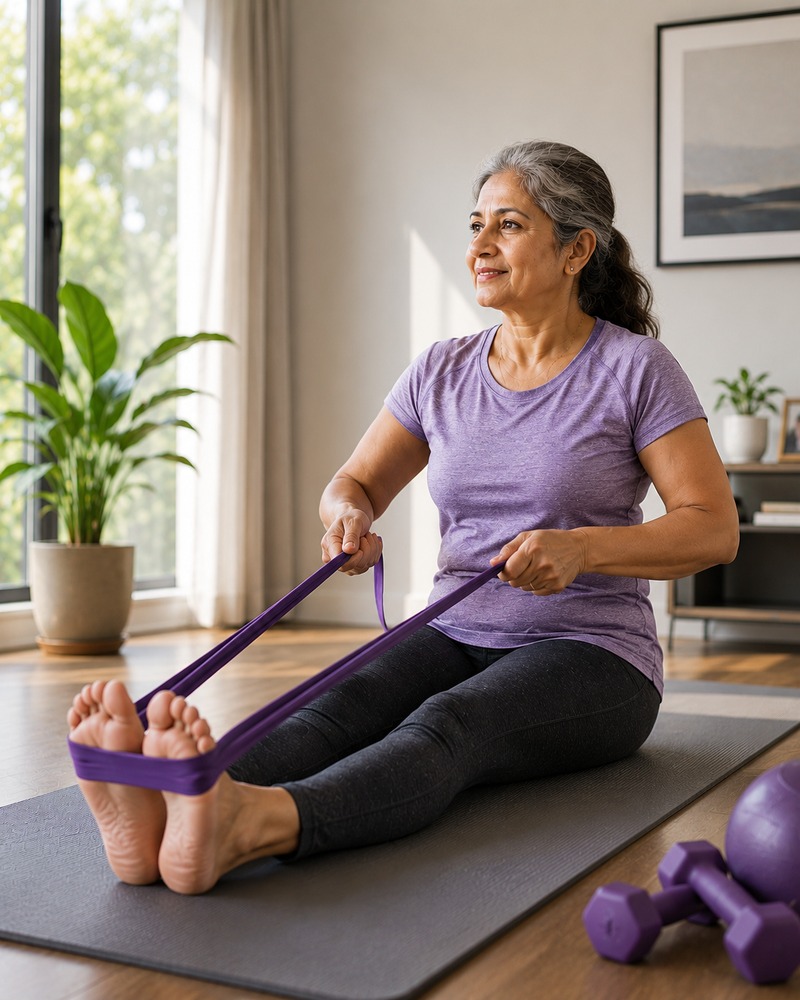
Condition-conscious strength training helps rebuild this support system gradually and safely.
Why Avoiding Movement Completely Can Backfire
Many people with sciatica or disc issues become afraid to move because they fear worsening the injury. While some temporary activity modification may help during acute flare-ups, complete inactivity often causes more weakness and stiffness.
Over time, inactivity may:
Reduce muscle support around the spine
Increase stiffness and poor circulation
Reduce confidence with movement
Make simple tasks feel harder
The goal is not aggressive training. The goal is restoring safe movement capacity gradually.
How Strength Training Supports Recovery
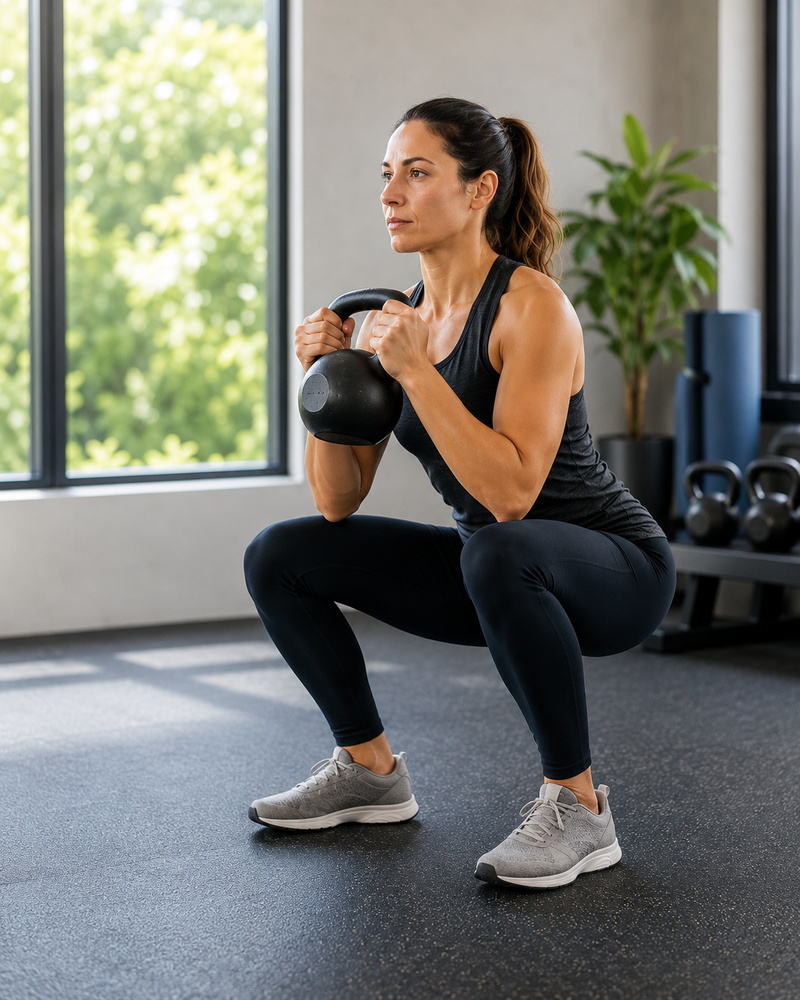
Condition-conscious strength training focuses on improving spinal stability, posture and movement mechanics without excessive strain.
Benefits may include:
Improved muscular support around the spine
Better posture and movement control
Reduced fear of movement
Improved walking and daily function
Better long-term resilience during activity
Programs should always be adapted to the individual’s symptoms, tolerance and medical guidance.
Best Exercises Often Used in Rehab-Focused Back Training
Bird dogs
Dead bug variations
Glute bridges
Farmer carries
Hip hinge progressions
Walking and mobility drills
Core stability exercises
Exercises should focus on control, breathing and gradual progression rather than heavy loading too early.
Why Walking Is Important for Back Health
Walking helps improve circulation, reduce stiffness and improve movement confidence without excessive spinal compression.
Walking may support:
Better daily movement tolerance
Reduced sedentary behaviour
Improved recovery between sessions
Reduced fear around movement
How Chronofit Supports Lower Back Recovery
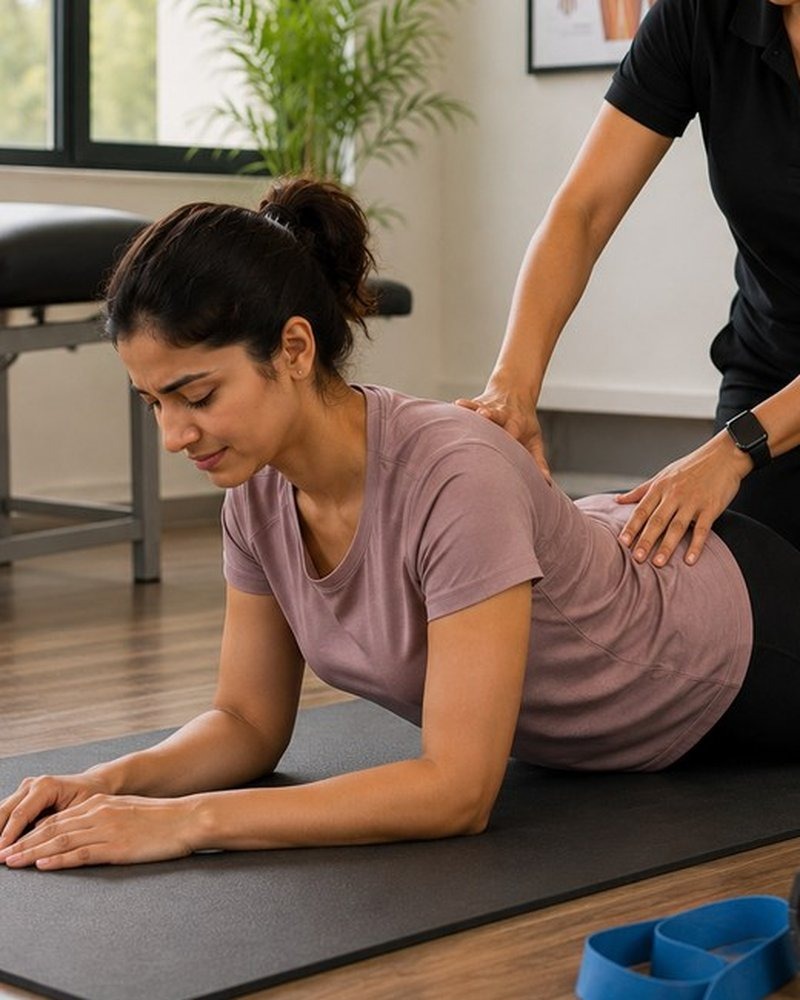
Chronofit’s condition-conscious personal training approach focuses on safer movement progression, spinal support and strength development for people managing lower back pain, sciatica and spinal conditions.
Programs are adapted around movement confidence, recovery and long-term resilience rather than extreme workouts.
FAQs
Can strength training help lower back pain?
Condition-conscious strength training can help improve spinal support, posture and movement control when properly structured.
Should people with sciatica avoid exercise?
Not always. Many people benefit from gradual and medically appropriate movement progression.
Can walking help disc-related pain?
Walking often helps reduce stiffness and improve movement tolerance when done consistently.
Why does sitting worsen lower back pain?
Long sitting hours reduce movement, increase stiffness and may overload spinal structures over time.
How does Chronofit approach rehab-focused personal training?
Chronofit focuses on condition-conscious progression, movement quality and sustainable strength development.
Final Thoughts
Lower back pain and sciatica often improve when the body becomes stronger, more stable and more confident with movement again. Sustainable strength training creates long-term support instead of temporary symptom management.
Chronofit’s condition-conscious personal training approach helps individuals rebuild movement confidence safely through structured progression and smarter movement strategies.
Rebuild Strength After Back Pain or Sciatica
Living with lower back pain, sciatica or disc-related limitations? Explore a personalised rehab training plan focused on safe movement, stability and gradual strength development.
Call or WhatsApp:
+971 56 949 4247
Email:
info@chronofit.me