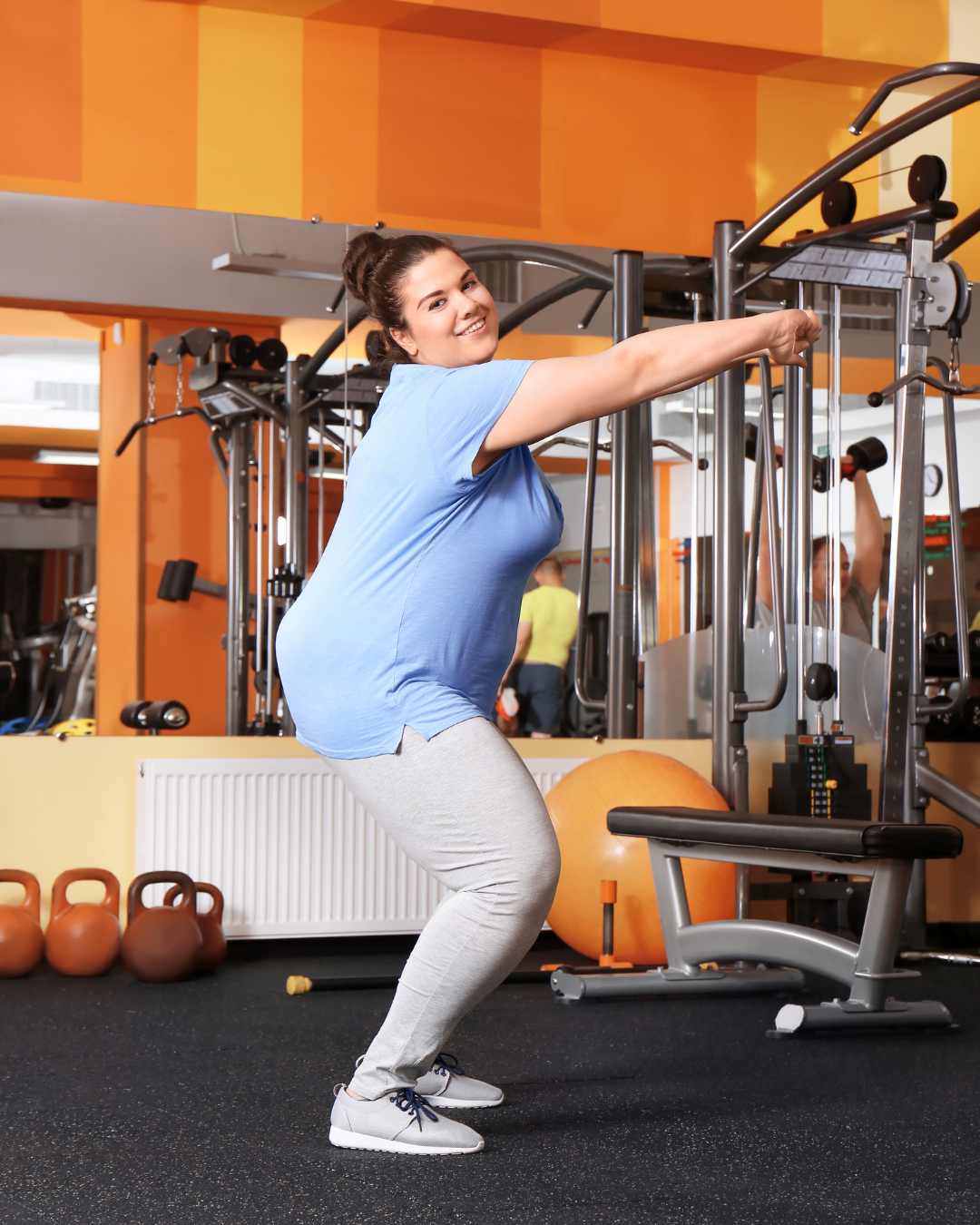
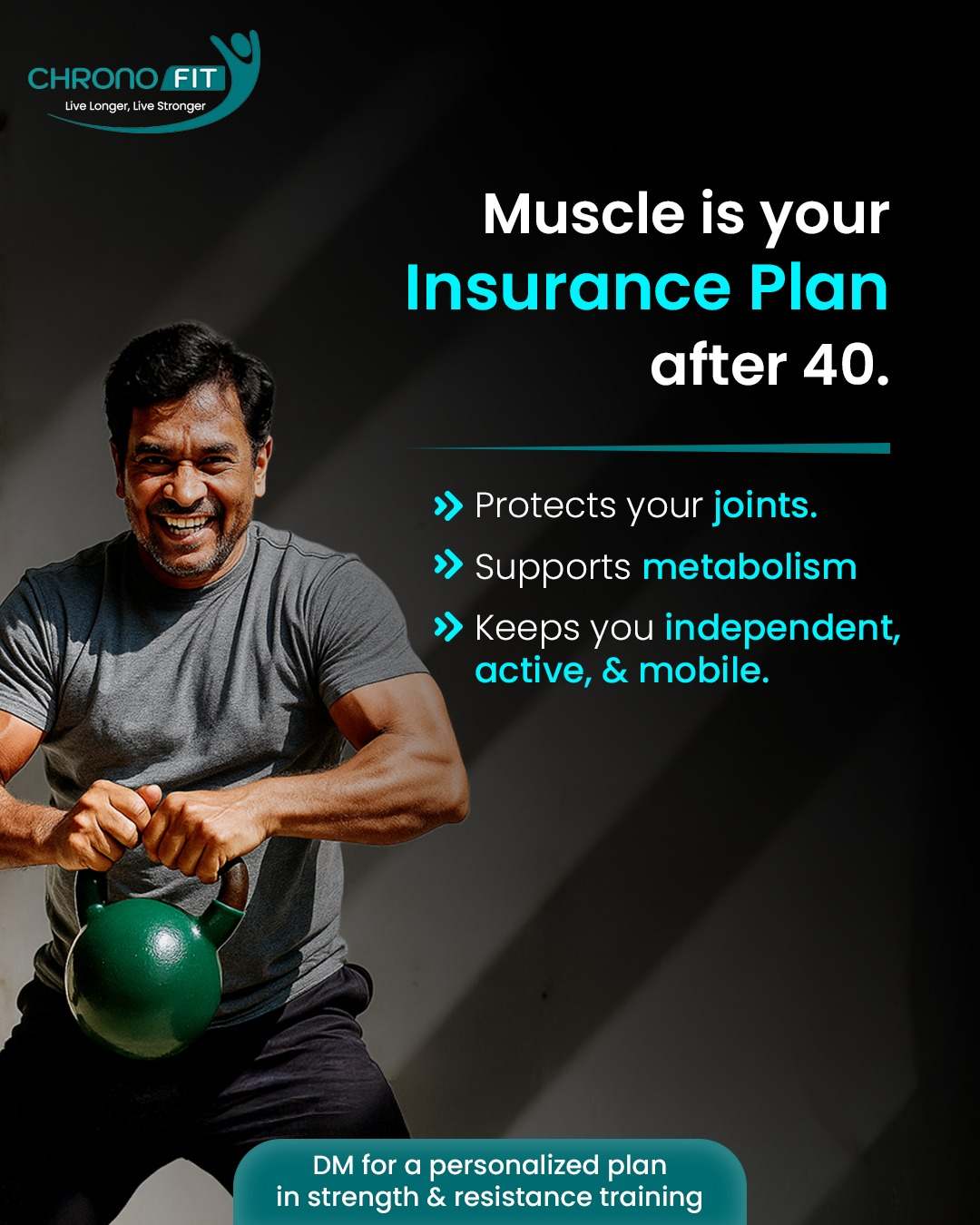
In Dubai’s fast-paced lifestyle—long work hours, stress, travel, inconsistent sleep—your body is constantly under pressure. Muscle is what keeps you resilient. It stabilises blood sugar, supports metabolism, protects joints, improves posture, and maintains independence as you age. That’s why strength training isn’t optional anymore. It’s preventative health care.
Why Muscle Is More Than Aesthetic
Muscle isn’t just about looking fit. It’s metabolically active tissue. It plays a central role in how your body manages glucose, stores energy, burns calories, and protects movement patterns. When muscle declines, disease risk rises.
Lower muscle mass = higher insulin resistance
Lower muscle mass = slower metabolism
Lower muscle mass = weaker joints and more pain
Lower muscle mass = higher risk of falls and injury
What this really means is simple: muscle protects you long before symptoms show up.
The Silent Muscle Loss Problem
After age 30, adults naturally lose muscle if they don’t actively train against it. This loss accelerates in your 40s and 50s. Many people in Dubai only notice the effects when energy drops, belly fat increases, or injuries become frequent.
Resistance training slows and often reverses this process. That’s why working with a qualified personal trainer or strength trainer becomes more valuable as you age, not less.
Muscle and Metabolic Health
Your skeletal muscle is the largest site of glucose disposal in your body. Every time you perform resistance training, muscle contractions pull glucose from the bloodstream and improve insulin sensitivity.
Consistent strength training:
Reduces risk of Type 2 diabetes
Improves fasting blood sugar
Supports healthy body composition
Reduces visceral fat over time
Improves cholesterol markers
That’s not cosmetic. That’s protective.
Muscle and Joint Protection
Weak muscles force joints to absorb more stress. This is one reason knee pain, back pain, and shoulder pain increase with age. A structured strength training program builds the stability that protects cartilage and connective tissue.
A rehabilitation-focused personal trainer or resistance trainer can help rebuild strength safely after injury, preventing long-term degeneration.
Stronger glutes reduce knee and back stress
Stronger core improves spinal stability
Stronger upper back improves posture
Improved mobility reduces compensations
Muscle and Longevity
Research consistently shows that higher muscle mass and strength are associated with lower all-cause mortality. In simple terms, stronger individuals tend to live longer and maintain independence longer.
Vitality isn’t about extreme workouts. It’s about consistent resistance training, progressive overload, and intelligent recovery. That’s where a skilled strength trainer makes a difference—ensuring you train hard enough to adapt, but not so hard that you burn out.
What Smart Strength Training Looks Like
You don’t need bodybuilding splits or daily max effort sessions. You need full-body resistance training 2–3 times per week with progressive loading.
Foundational Movements
Squats or leg press
Hip hinges (deadlifts or Romanian deadlifts)
Rows and pull-downs
Chest press or push-ups
Step-ups or lunges
Core stability work
A qualified personal trainer in Dubai can customise these movements based on your goals, injury history, and schedule.
Muscle as Preventative Medicine
Think about the major lifestyle conditions affecting adults today:
Diabetes and pre-diabetes
High blood pressure
Fatty liver
Obesity and metabolic syndrome
Osteoporosis
Chronic joint pain
Every one of these conditions improves with structured resistance training. That’s why muscle truly acts as health insurance—it reduces risk before disease progresses.
A Practical Weekly Structure
Strength training: 2–3 sessions per week
Walking: 20–40 minutes most days
Mobility: Short daily sessions (8–12 minutes)
This approach works well for busy Dubai schedules and supports long-term consistency.
Why Working with the Right Trainer Matters
A certified personal trainer, strength trainer, or resistance trainer does more than count reps. They assess movement, manage progression, prevent overload, and adjust programming based on recovery and stress levels.
Condition-focused personal training—whether for diabetes, thyroid disorders, joint care, or metabolic health—ensures muscle is built intelligently, not recklessly.
FAQs (People Also Ask)
Why is muscle important for health?
Muscle improves metabolism, stabilises blood sugar, supports joints, protects bones, and reduces risk of chronic disease.
How often should I strength train?
Most adults benefit from 2–3 resistance training sessions per week combined with regular walking.
Can muscle really prevent disease?
Higher muscle mass is strongly associated with lower risk of metabolic disease, improved mobility, and longer lifespan.
Is strength training safe for beginners?
Yes, when guided by a qualified personal trainer and progressed gradually.
Is cardio enough for long-term health?
Cardio helps heart health, but without resistance training, muscle loss accelerates. A combination is ideal.
Final Thoughts
You insure your car. You insure your home. But your body? That requires building something—muscle. Strength training and resistance training are not trends. They are long-term investments in metabolic health, joint protection, and independence.
If you’re in Dubai and want a structured, condition-focused approach, working with a qualified personal trainer can help you build muscle safely and consistently. Because when muscle improves, everything else follows.