
Neck Pain, Shoulder Pain and Postural Problems: The Hidden Damage of Modern Sitting Lifestyles
Modern work culture has changed how the human body moves. Most professionals today spend long hours sitting at desks, working on laptops or looking down at mobile screens. Over time, this creates muscular imbalance, stiffness and poor posture.
Many people begin experiencing neck tightness, headaches, shoulder discomfort or upper back stiffness without understanding why it keeps returning.
The problem is often not a single injury. It is the accumulation of poor movement habits, weak muscles and reduced mobility over months or years.
Common Conditions Linked to Poor Posture
Cervical neck pain
Rounded shoulders
Shoulder impingement
Upper back tightness
Forward head posture
Weak upper back and postural muscles
These problems are becoming increasingly common among office professionals, drivers and people with sedentary routines.
Why Stretching Alone Usually Does Not Solve the Problem
Many people try stretching repeatedly when they feel neck or shoulder tightness. While stretching may provide temporary relief, the discomfort often returns because the underlying weakness and postural imbalance remain unchanged.
Long-term posture improvement usually requires:
Improved muscular endurance
Upper back strengthening
Better shoulder blade control
Improved thoracic mobility
Better movement awareness during daily activities
Posture is not maintained by “trying harder” to sit straight. It depends on how the body supports itself throughout the day.
How Poor Posture Affects the Entire Body
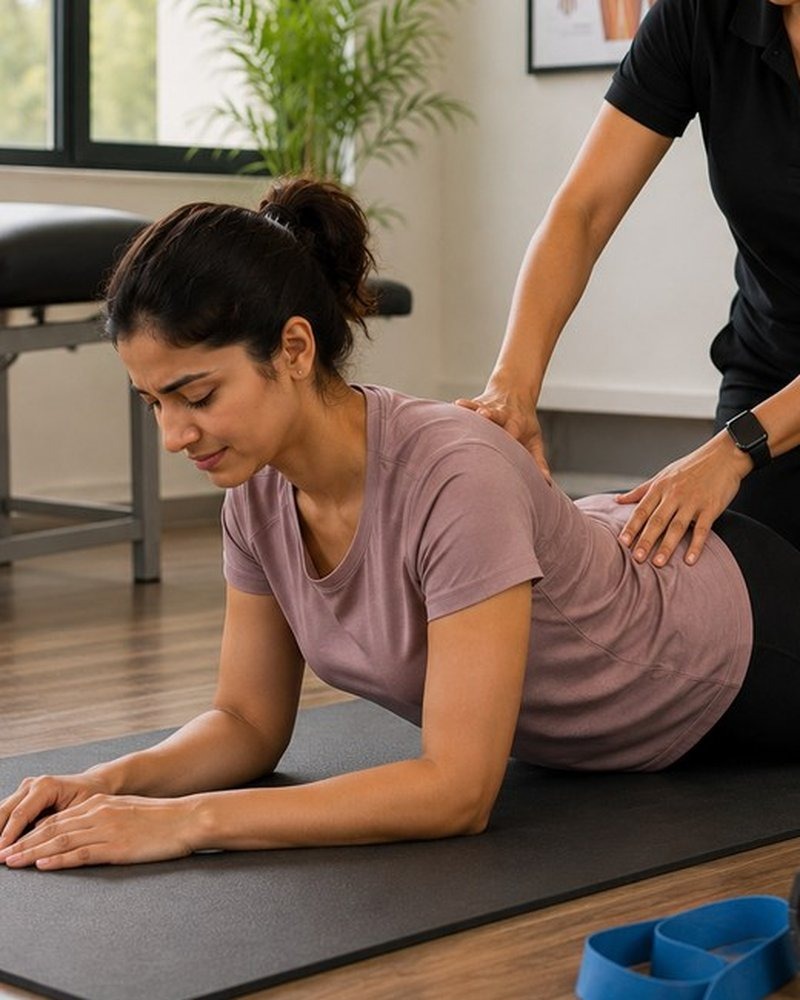
Postural dysfunction often affects more than the neck and shoulders.
It may contribute to:
Frequent headaches
Reduced shoulder mobility
Upper back stiffness
Breathing inefficiency
Reduced confidence with movement
Poor lifting mechanics during workouts
Over time, movement quality and physical comfort decline further if posture-related weakness is not addressed.
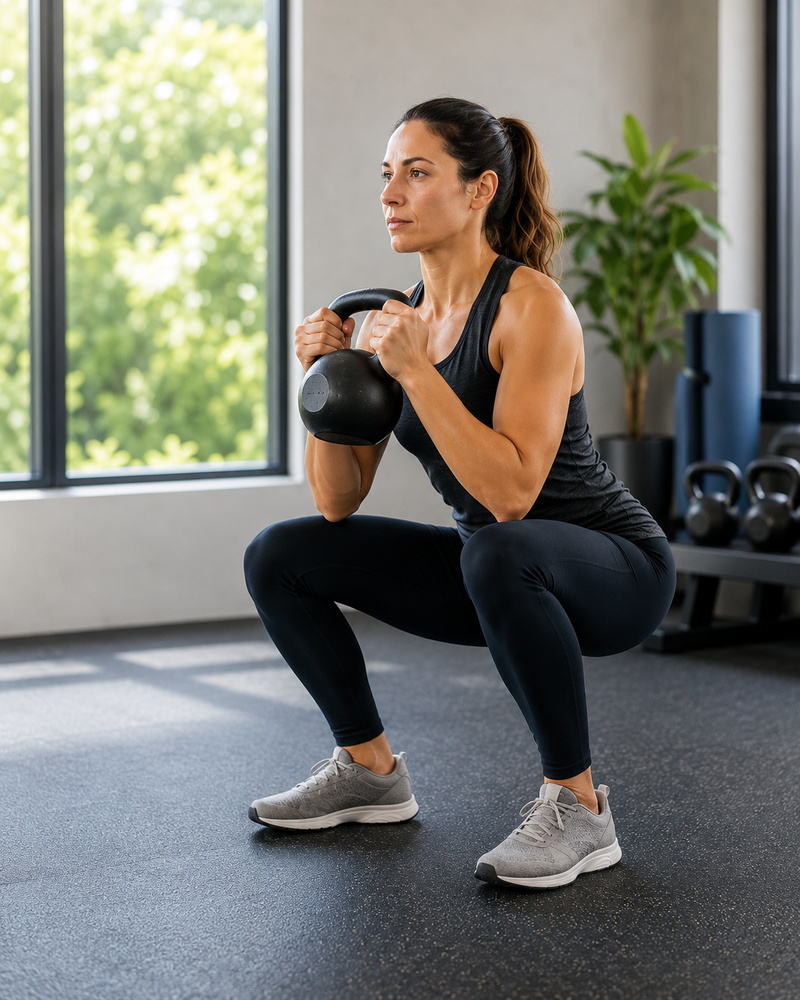
Why Strength Training Helps Postural Correction
Condition-conscious strength training improves muscular support around the spine, shoulders and upper back.
Benefits may include:
Improved shoulder stability
Reduced neck tension
Better spinal alignment
Improved movement efficiency
Reduced upper body fatigue
The focus is not bodybuilding. The goal is creating a stronger and more balanced movement system.
Best Exercises for Postural Correction
Rows and seated cable rows
Face pulls
Band pull-aparts
Thoracic mobility drills
Wall slides
Farmer carries
Scapular control exercises
Exercises should focus on quality and control rather than heavy weight or speed.
Why Movement Breaks Matter During Work
Even the best training program cannot completely offset 10–12 hours of uninterrupted sitting.
Simple movement habits help significantly:
Standing regularly during work
Walking between meetings
Stretching the chest and shoulders periodically
Improving desk and screen setup
Small changes repeated consistently create major long-term benefits.
How Chronofit Supports Postural Recovery
Chronofit’s condition-conscious personal training approach focuses on mobility, postural correction and upper body strength development for individuals managing neck pain, shoulder dysfunction and sedentary lifestyle-related movement problems.
Programs are adapted around movement quality, recovery and sustainable progression instead of aggressive workouts.
FAQs
Can strength training improve posture?
Yes. Strength training helps improve muscular support, spinal alignment and postural endurance.
Why does sitting worsen neck pain?
Long sitting hours increase muscular tension, reduce mobility and weaken postural muscles over time.
Can shoulder pain come from poor posture?
Yes. Rounded shoulders and poor upper back control may contribute to shoulder dysfunction.
What exercises help posture most?
Rows, face pulls, thoracic mobility work and scapular strengthening exercises are commonly helpful.
How does Chronofit approach posture-focused personal training?
Chronofit focuses on condition-conscious strength development, mobility and long-term movement quality.
Final Thoughts
Neck pain and postural problems are often movement-quality issues rather than isolated injuries. Sustainable strength training and mobility-focused exercise help create healthier long-term posture and movement resilience.
Chronofit’s condition-conscious personal training approach helps individuals improve posture, reduce discomfort and move more confidently through smarter training progression.
Get Support for Neck and Shoulder Pain
Dealing with neck tension, shoulder pain or posture-related stiffness? Discover personalised strength and mobility training designed to improve movement and reduce recurring strain.
Call or WhatsApp:
+971 56 949 4247
Email:
info@chronofit.me