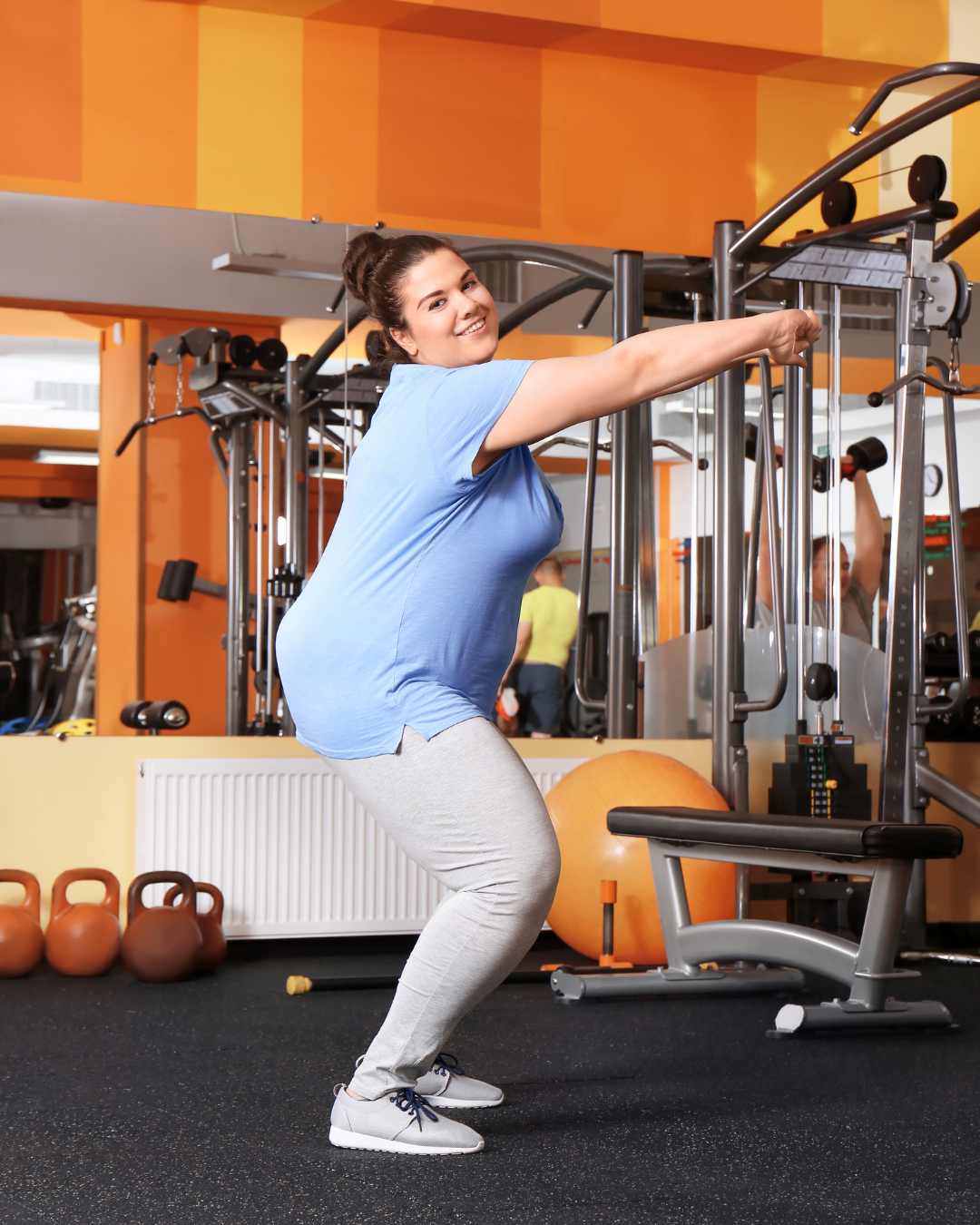
Here’s the thing: for obesity prevention, muscle mass matters more than weight because muscle is what drives your metabolism, stabilises blood sugar, protects joints, and keeps you active long-term. This blog explains why building muscle is one of the smartest ways to prevent obesity in Dubai and across the UAE, and how to do it in a sustainable, realistic way.
Obesity Prevention Isn’t Just About “Eating Less”
Obesity is influenced by more than calories. In real life, it’s driven by lifestyle and biology working together: insulin resistance, stress, poor sleep, low daily movement, ultra-processed foods, and muscle loss over time. Dubai’s lifestyle can quietly amplify these factors through desk work, driving, inconsistent meal patterns, and limited recovery.
Long work hours and high stress
Low daily walking and long sitting time
Irregular sleep and late nights
Convenient high-calorie food options
Yo-yo dieting that reduces muscle over time
So if your plan only focuses on “lose weight fast”, you often lose muscle, slow your metabolism, and make rebound weight gain more likely. Prevention works differently. It focuses on building a body that can regulate appetite, energy, and blood sugar more effectively.
Why Muscle Mass Matters More Than Weight
Muscle is metabolically active tissue. It influences how your body uses carbohydrates, how efficiently you burn energy, and how stable your blood sugar stays across the day. When muscle mass is low, your body has fewer places to store glucose safely, insulin resistance becomes more likely, and fat gain becomes easier.
What this really means is: you don’t prevent obesity by only shrinking your body. You prevent obesity by improving your body’s ability to manage energy.
Higher resting metabolism: More muscle supports higher daily calorie burn
Better insulin sensitivity: Muscle helps absorb glucose and stabilise blood sugar
Less visceral fat: Strength training reduces belly fat risk over time
More mobility: Strong muscles protect joints, making activity easier
Better adherence: When your body feels capable, you stick to routines longer
Why the Scale Can Mislead You (Especially in Dubai)
In Dubai, many people do short-term dieting before events, weddings, or holidays. The scale goes down quickly, but a significant portion of that early loss can be water and muscle. Then energy drops, cravings rise, workouts feel harder, and weight rebounds. That cycle can repeat for years.
For obesity prevention, the better focus is body composition: how much of you is muscle, how much is fat, and where that fat is stored. Visceral fat around the abdomen is strongly tied to health risks, even if your scale weight doesn’t look “too high”.
Muscle Mass and “Skinny Fat”: The Hidden Risk
Some people in Dubai stay relatively light but have low muscle and higher body fat percentage, especially around the abdomen. This is often called “skinny fat”. The scale looks fine, but insulin resistance, fatty liver risk, and high triglycerides can still be present.
Building muscle is one of the most direct fixes because it improves metabolic health while reshaping the body. You’re not just changing how you look. You’re changing how you process food and energy.
How Strength Training Prevents Obesity (Mechanically and Metabolically)
Strength training supports obesity prevention through multiple pathways. It increases muscle mass, improves insulin sensitivity, reduces cravings for many people through better blood sugar stability, and helps you maintain weight loss without the classic “metabolism crash” that happens when muscle is lost.
1) Muscle protects your metabolism
When you lose weight without strength training, your body often reduces muscle. Less muscle means fewer calories burned at rest. Strength training preserves and builds lean mass so your metabolism stays stronger.
2) Muscle improves blood sugar stability
When blood sugar swings, cravings increase. Resistance training improves glucose uptake and insulin sensitivity, which can make appetite more predictable.
3) Muscle improves movement and reduces pain
Joint pain is a major reason people stop exercising. Strength training builds joint stability, improves posture, and makes walking and daily movement easier, which compounds fat loss and prevention.
4) Muscle supports long-term consistency
Cardio-only plans often feel repetitive and exhausting. Strength training gives visible progress in performance and shape, which improves adherence over months and years.
What Works Best in Dubai: A Practical Weekly Plan
Dubai schedules are busy. Traffic is real. Many people travel. The best obesity prevention plan is one that fits your week without requiring perfection.
Strength training: 2–3 sessions per week (full-body)
Daily movement: 20–40 minutes walking most days
Optional: 1 short cardio session (cycling, incline walk, swim)
This routine builds muscle, supports heart health, and keeps energy expenditure steady without needing daily intense workouts.
Sample Week
Monday: Full-body strength (45–55 mins)
Tuesday: Walk 30 mins + 8 mins mobility
Wednesday: Full-body strength (40–50 mins)
Thursday: Walk 30 mins
Friday: Full-body strength (optional)
Saturday: Longer walk or light cardio (45–60 mins)
Sunday: Rest or easy walk
Best Strength Exercises for Obesity Prevention
You don’t need complicated workouts. The best exercises are the ones that train large muscle groups safely and allow progression. Machines are excellent if you’re a beginner or returning after a break.
Squats or leg press
Hip hinge (Romanian deadlift or back extension)
Rows (cable or dumbbell)
Chest press or push-ups
Step-ups or lunges (pain-free range)
Farmer carries (core and posture strength)
Progress slowly. Add small weight increases, improve form, or add reps over time. That’s how muscle builds without burnout.
Nutrition for Prevention: The Simple Levers
Obesity prevention doesn’t require extreme dieting. It requires a few fundamentals that support muscle, reduce cravings, and make consistency easier. In UAE heat, hydration matters more than people think because dehydration can increase fatigue and hunger signals.
Prioritise protein with meals (supports muscle and appetite control)
Increase fibre (vegetables, legumes, fruits, whole grains)
Reduce liquid calories (sweet coffee drinks, juices, soft drinks)
Keep ultra-processed snacks occasional, not daily
Hydrate consistently throughout the day
If you train but don’t eat enough protein, muscle gain becomes harder and cravings often rise. That’s why nutrition matters, but it should stay practical, not restrictive.
Common Mistakes That Backfire
Most prevention plans fail because they’re too aggressive or too narrow. Avoid these and you’ll stay consistent longer.
Only doing cardio and skipping strength training
Crash dieting and losing muscle
Training intensely but staying sedentary the rest of the day
Ignoring sleep, which increases hunger and reduces recovery
Chasing scale weight instead of performance and body composition
FAQs (People Also Ask)
Why is muscle mass important for obesity prevention?
Muscle supports metabolism, improves insulin sensitivity, and makes it easier to stay active. More muscle helps your body manage energy and blood sugar more efficiently, lowering obesity risk.
Can you prevent obesity without losing weight?
You can significantly reduce health risk by improving body composition even if the scale doesn’t change much. Reducing visceral fat and increasing muscle are key goals.
Is strength training better than cardio for preventing obesity?
Strength training is often better for long-term prevention because it builds muscle and supports metabolism. Cardio helps too, especially for daily movement and heart health. A mix is ideal.
How many days a week should I lift weights to prevent obesity?
2–3 strength sessions per week combined with regular walking is a strong, sustainable baseline for most people.
What’s the fastest way to build muscle in a busy schedule?
Full-body strength training 2–3 times a week, focusing on compound exercises and gradual progression, is one of the most efficient approaches.
Final Thoughts
Obesity prevention in Dubai isn’t about chasing the lowest scale weight. It’s about building a body that handles modern life better: stable blood sugar, strong joints, higher daily energy, and a metabolism that doesn’t crash every time you diet. Muscle mass is the foundation for that.
If you want a structured plan that fits your lifestyle, travel, and health goals, working with a qualified personal trainer in Dubai can help you build muscle safely, stay consistent, and track real progress beyond the scale.