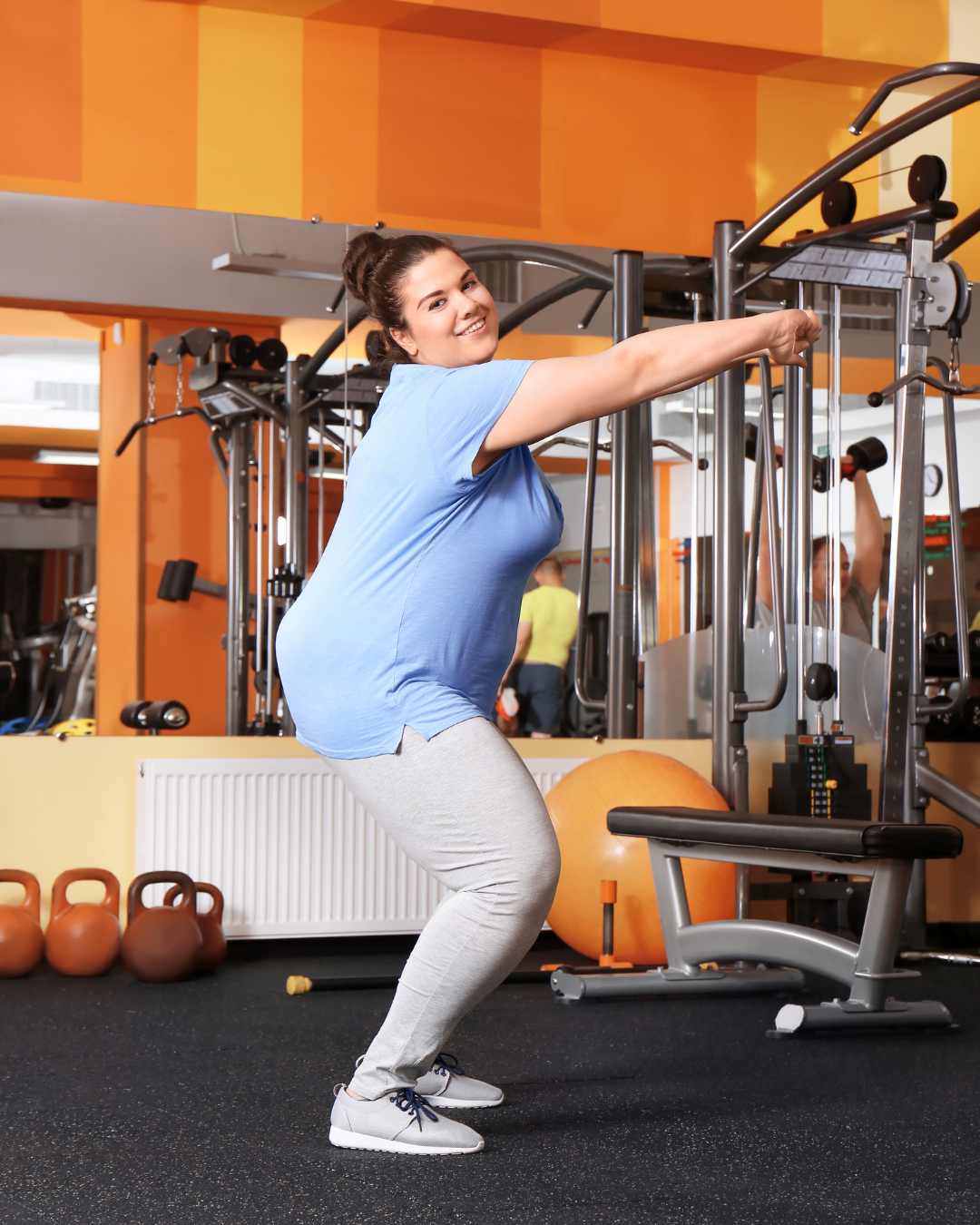
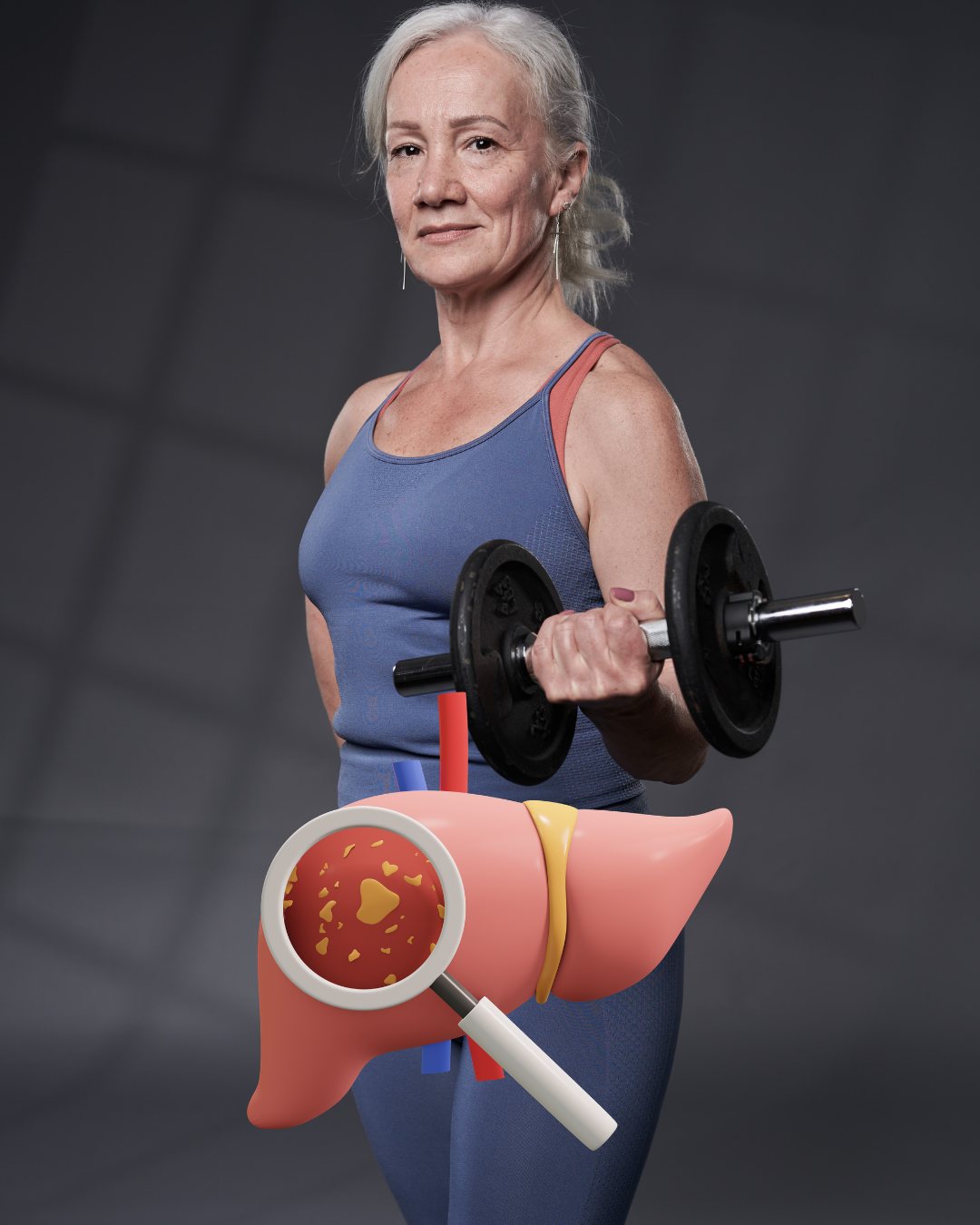
If you’ve been searching for “strength training for fatty liver”, “exercise for fatty liver”, or “can weight training reverse fatty liver”, this guide explains how muscle plays a central role in liver health and what a practical, safe program looks like.
What Is Fatty Liver (And Why It Happens)?
Fatty liver occurs when excess fat accumulates inside liver cells. While alcohol can cause liver fat, many cases today are metabolic in nature. This is known as non-alcoholic fatty liver disease and is strongly linked to insulin resistance, abdominal fat, high triglycerides, and poor metabolic flexibility.
In simple terms, when your body struggles to manage blood sugar and energy efficiently, excess fuel gets stored not only in fat tissue but also inside organs like the liver. Over time, this can lead to inflammation, fibrosis, and more serious liver complications if ignored.
Insulin resistance
Excess abdominal fat
High sugar and refined carbohydrate intake
Sedentary lifestyle
Chronic stress and poor sleep
The key driver behind most cases is metabolic dysfunction. And that’s exactly where strength training becomes powerful.
Why Muscle Matters for Liver Health
Your skeletal muscle is one of the largest metabolic organs in your body. It plays a central role in glucose uptake, fat oxidation, and insulin sensitivity. When muscle mass is low and inactivity is high, the liver ends up handling excess energy. When muscle mass increases, your body distributes and uses energy more efficiently.
Think of muscle as a metabolic engine. The stronger and more active it is, the less burden placed on the liver to store excess fuel. Strength training directly improves:
Insulin sensitivity
Glucose utilisation
Fat oxidation capacity
Reduction in visceral and liver fat
This is why resistance training and fatty liver management are closely connected. Muscle doesn’t just improve aesthetics. It improves organ health.
Can Strength Training Reduce Fatty Liver?
Yes, research consistently shows that resistance training can reduce liver fat, even without dramatic weight loss. While fat loss helps, the metabolic changes driven by muscle activation alone can significantly improve liver markers.
What’s important to understand is that the goal is not extreme calorie restriction or exhausting cardio. The goal is building lean muscle tissue and improving metabolic flexibility. Many individuals see improvements in liver enzymes (ALT, AST) and imaging results after 8–16 weeks of consistent strength training.
Why Cardio Alone Isn’t Enough
Cardio improves cardiovascular fitness and supports calorie expenditure. However, fatty liver is strongly tied to insulin resistance and muscle deficiency. Without improving muscle mass and strength, the metabolic foundation often remains weak.
Strength training:
Increases resting metabolic rate
Improves glucose storage in muscle instead of liver
Reduces abdominal fat more sustainably
Improves hormonal balance
The most effective approach often combines walking or light cardio with structured resistance training. But if time is limited, building muscle should be prioritised.
The Best Strength Training Approach for Fatty Liver
You don’t need bodybuilding splits or daily gym sessions. You need structured, progressive resistance training that targets large muscle groups and improves metabolic demand safely.
1) Full-Body Strength Training
Training the entire body 2–4 times per week works well for improving insulin sensitivity and overall fat metabolism. Full-body sessions are efficient and easier to sustain long term.
2) Compound Movements
Large muscle exercises increase total energy utilisation and stimulate stronger metabolic adaptations.
Squats or leg press
Deadlifts or hip hinges
Rows (machine or dumbbell)
Chest press or push-ups
Lunges or step-ups
3) Moderate Intensity, Consistent Progression
Aim for 8–12 repetitions per set with controlled form. You should feel challenged but not strained to the point of breath-holding. Gradual progression drives metabolic improvement.
4) Structured Rest
Rest 60–120 seconds between sets to maintain performance without excessively spiking stress hormones.
Sample Beginner Program (Fatty Liver Focus)
This template is practical for busy schedules in Dubai and works well alongside daily walking.
Frequency: 3 sessions per week
Duration: 40–55 minutes
Intensity: Moderate
Leg press or goblet squat – 3×10
Seated row – 3×12
Chest press – 3×10
Romanian deadlift (light/moderate) – 3×10
Step-ups – 3×10 each side
Core stability work – 5 minutes
Add 20–30 minutes of walking on non-training days. The combination supports fat oxidation without excessive fatigue.
How Long Before You See Liver Improvements?
Some individuals notice improved energy and reduced bloating within weeks. Biochemical improvements, such as reduced liver enzymes, often appear within 8–12 weeks of consistent training. Imaging improvements may take longer, depending on severity and lifestyle alignment.
Consistency matters more than intensity. Three steady months of training will outperform three weeks of extreme dieting.
Nutrition Still Matters
Strength training creates the metabolic environment for improvement, but diet influences how quickly the liver unloads excess fat. You don’t need crash diets. You need sustainable adjustments.
Increase protein intake to support muscle growth
Reduce refined sugar and sugary beverages
Limit ultra-processed snacks
Increase fibre intake
Stay hydrated, especially in UAE heat
When strength training and smart nutrition work together, liver fat reduction becomes significantly more achievable.
Safety Considerations
If you’ve been inactive or have additional conditions like diabetes, high blood pressure, or joint pain, start gradually. Controlled progression is safer and more sustainable than sudden intensity spikes.
Get medical clearance if advised
Begin with moderate loads
Focus on form and breathing
Avoid extreme calorie restriction while training
In cases where joint limitations or previous injuries exist, working with a qualified personal trainer in Dubai can ensure safe progression while still targeting metabolic improvements.
FAQs (People Also Ask)
Can strength training reverse fatty liver?
Strength training can significantly reduce liver fat and improve liver enzymes, especially when combined with proper nutrition and consistent activity.
Is weight training better than cardio for fatty liver?
Both help, but resistance training improves insulin sensitivity and muscle mass, which directly supports fat reduction in the liver.
How often should I train for fatty liver?
2–4 strength sessions per week combined with regular walking is a practical and effective approach.
Do I need to lose weight to improve fatty liver?
Weight loss can help, but improvements in insulin sensitivity and muscle mass can reduce liver fat even without dramatic scale changes.
Is fatty liver reversible naturally?
In many early-stage cases, yes. With consistent strength training, improved nutrition, and lifestyle adjustments, liver fat can decrease significantly.
Final Thoughts
Fatty liver is a metabolic warning sign, not a permanent diagnosis. Building muscle shifts how your body processes energy, reduces liver fat accumulation, and strengthens long-term metabolic health. Strength training offers a structured, sustainable way to address the root causes rather than just managing symptoms.
If you’re in Dubai and looking for a structured, condition-focused approach to training, guided strength programming can make the difference between temporary effort and measurable improvement.