
Why Sitting All Day Increases Hypertension Risk More Than Most People Realise
Modern work culture has drastically reduced movement. Many professionals spend most of the day sitting at desks, driving or using screens with very little physical activity between morning and night.
While this may feel normal, prolonged inactivity can quietly increase hypertension risk over time. The body is designed to move. When movement stays low for years, circulation, metabolism and cardiovascular efficiency can all decline.
This is why hypertension management is not only about medication or avoiding salty foods. Daily movement patterns matter too.
How Inactivity Affects Blood Pressure
Movement helps blood circulate efficiently through the body. Long sitting hours reduce muscle activity, circulation and energy expenditure.
Over time, this can contribute to:
Higher blood pressure
Reduced cardiovascular fitness
Weight gain and abdominal fat
Poor insulin sensitivity
Lower stamina and physical resilience
The body gradually becomes less efficient at handling physical and metabolic stress.
Why Muscle Activity Matters for Blood Pressure
Muscles help regulate circulation and metabolism. When muscles stay inactive most of the day, blood flow and energy use decline.
Strength training improves muscle activity and supports:
Better circulation
Improved insulin sensitivity
Reduced abdominal fat
Improved stamina
Better movement efficiency
This creates a healthier environment for cardiovascular function.
Why Walking Alone Is Helpful but Limited
Walking is excellent for reducing sedentary time and supporting heart health. But adding strength training creates additional benefits through muscle development and metabolic improvement.
The strongest long-term approach often combines:
Walking for circulation and activity
Strength training for muscle and metabolism
Mobility work for posture and recovery
Stress management and better sleep
Health improvement works best when multiple systems improve together.
Best Strength Exercises for Blood Pressure Support
Exercises should be controlled and sustainable, especially for beginners.
Leg press or supported squats
Step-ups
Seated rows
Chest press
Farmer carries
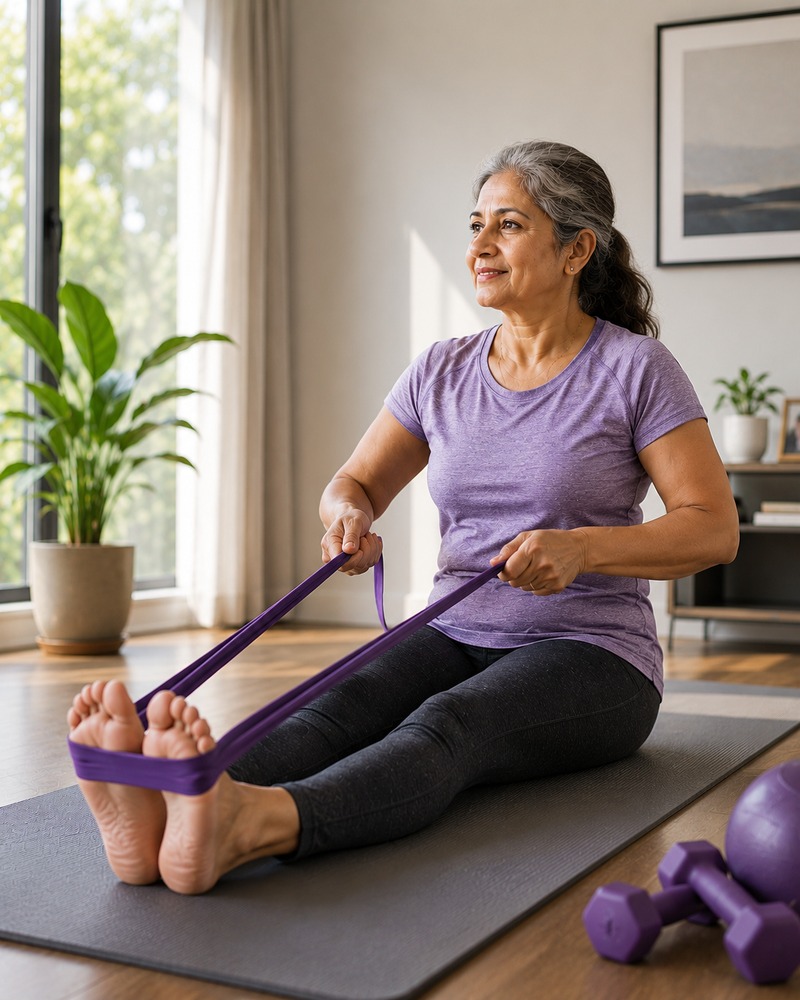
Moderate resistance band work
Proper breathing and pacing are important during exercise.
Why Stress and Recovery Matter
Many people with hypertension also experience chronic stress, mental fatigue and poor sleep quality. These factors affect nervous system recovery and cardiovascular health.
Helpful recovery habits include:
Improving sleep consistency
Taking movement breaks during work hours
Reducing excessive workout intensity
Building sustainable exercise routines
The body responds better to consistent support than extreme effort.
What a Hypertension-Friendly Weekly Plan Can Look Like
Monday: Full-body strength training
Tuesday: Walking and mobility work
Wednesday: Strength training
Thursday: Light cardio or recovery walking
Friday: Strength training
Weekend: Outdoor walking or active recovery
This type of routine supports long-term cardiovascular improvement without excessive stress.
How Chronofit Supports Condition-Conscious Blood Pressure Training
Chronofit’s personal training approach focuses on condition-conscious exercise programming. For people managing hypertension or cardiovascular concerns, training is adapted around recovery, movement quality and safe progression.
Instead of relying on extreme intensity, Chronofit focuses on building sustainable strength, mobility and long-term consistency.
Signs Your Lifestyle Is Becoming More Heart Healthy
Improved energy during the day
Reduced breathlessness during movement
Better recovery after exercise
Improved movement confidence
More consistent daily activity
Health improvement often happens through small daily habits repeated consistently.
FAQs
Can sitting too much increase blood pressure?
Yes. Long sitting hours reduce muscle activity and circulation, which can contribute to hypertension risk over time.
Is strength training safe for hypertension?
Moderate strength training is often beneficial when properly structured and medically appropriate.
How does movement improve blood pressure?
Movement supports circulation, metabolism, cardiovascular fitness and body composition.
Can walking help reduce hypertension risk?
Yes. Walking helps reduce sedentary time and supports heart health.
How does Chronofit approach blood pressure-focused fitness?
Chronofit uses condition-conscious personal training focused on safe progression, strength development and recovery-aware fitness.
Final Thoughts
Hypertension is strongly connected to modern sedentary lifestyles. Building consistent movement habits through walking, strength training and smarter recovery can support better long-term cardiovascular health.
Chronofit’s condition-conscious personal training approach helps people create sustainable routines that support both fitness and heart health without relying on extreme workouts.