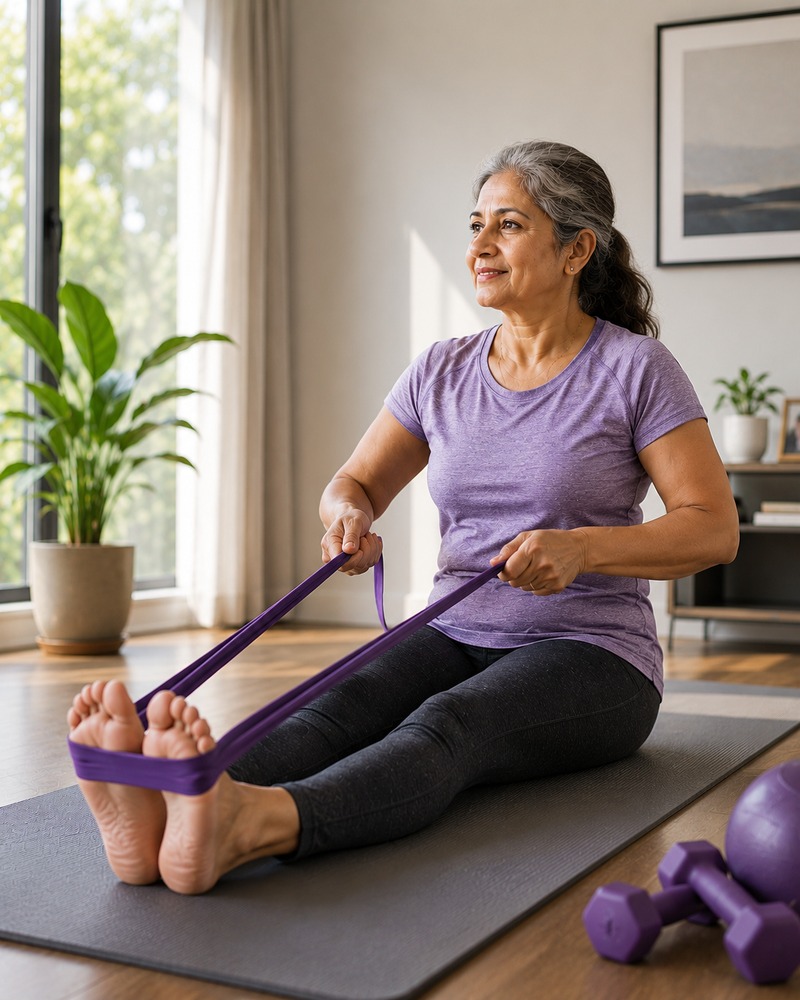

Personal Rehab Trainer in Dubai: When Pain Keeps Coming Back, Your Training Needs to Change
Recurring pain can be frustrating. You rest, stretch, take medication, maybe do a few physio sessions, and the pain improves. Then a few weeks later, it comes back. For many people in Dubai, this cycle continues for months or even years.
If pain keeps returning, your body may not need more rest. It may need better strength, mobility and load management. That is where a personal rehab trainer can help. A rehab personal trainer looks beyond symptoms and builds a structured plan to improve the way your body moves, stabilises and handles stress.
Why Pain Keeps Coming Back
Recurring pain usually has a reason. It may not always be serious, but it often points to a movement or strength issue that has not been fully addressed.
Weak muscles around the painful joint
Poor movement mechanics
Limited mobility in nearby joints
Old injuries creating compensation patterns
Sudden return to high-intensity workouts
Poor recovery due to stress, sleep or workload
For example, knee pain may be linked to weak glutes, stiff ankles or poor hip control. Lower back pain may be linked to weak core stability, poor hip mobility or poor lifting technique. Shoulder pain may be linked to weak upper back muscles and poor shoulder blade control.
Why Rest Alone Is Not a Long-Term Solution
Rest can reduce symptoms, but it does not automatically rebuild capacity. If the original weakness or movement issue remains, pain often returns when you become active again.
This is why rehab personal training focuses on rebuilding the system, not just avoiding pain. A personal rehab trainer gradually teaches the body to tolerate movement, load and daily demands again.
Reduce painful movement triggers
Restore mobility where needed
Build strength around weak areas
Improve movement control
Progress safely back to regular training
How a Personal Rehab Trainer Assesses the Problem
A good rehab personal trainer in Dubai will not start by giving you a random workout. They should first understand your pain history, lifestyle and movement patterns.
Where does the pain happen?
Which movements make it worse?
Which movements feel safe?
Are there strength differences between sides?
Do posture, sitting hours or work habits contribute?
This assessment helps create a targeted plan instead of guessing.
Rehab Personal Training for Common Recurring Pain Areas
Lower Back Pain
Recurring lower back pain often needs core stability, hip mobility, glute strength and better hinge mechanics. A rehab personal training plan may include dead bugs, bird-dogs, hip hinges, glute bridges and controlled carries.
Knee Pain
Knee pain may improve when the hips, ankles, quads and glutes become stronger and more coordinated. Training may include step-ups, split squat holds, leg press variations and controlled single-leg work.
Shoulder Pain
Shoulder issues often involve weak upper back muscles, poor shoulder blade movement and limited thoracic mobility. A personal rehab trainer may use rows, face pulls, external rotations and wall slides.
Hip Pain or Tightness
Hip discomfort can come from weakness, stiffness or poor control. Training may include hip mobility drills, glute strengthening, lateral walks and controlled hinging patterns.
What Makes Rehab Personal Training Different?
Rehab personal training is not about pushing through pain. It is about finding the right entry point and progressing from there. The program should be challenging enough to create adaptation, but controlled enough to avoid flare-ups.
Key Differences
Exercise selection is based on pain triggers and movement quality
Progression is gradual and measurable
Technique is prioritised over intensity
Mobility and stability are included with strength work
Recovery and lifestyle stress are considered
Why Rehab Personal Training Dubai Needs a Lifestyle-Aware Approach
Dubai professionals often deal with long sitting hours, driving, travel, stress and inconsistent training. These factors matter. A rehab program that ignores lifestyle will miss part of the problem.
A strong rehab personal training Dubai program should account for:
Office posture and sitting time
Driving-related hip and back stiffness
Training history and previous injuries
Sleep and recovery quality
Realistic weekly availability
The best program is not the most complex one. It is the one that fits your life and helps you progress consistently.
Sample Rehab-Focused Weekly Structure
This is a general example. The exact plan should be personalised based on injury type and readiness.
Day 1: Strength training with corrective focus
Day 2: Walking + mobility work
Day 3: Strength training with stability work
Day 4: Recovery, mobility or light cardio
Day 5: Strength progression or functional movement session
This structure gives the body enough stimulus to rebuild strength while allowing recovery between sessions.
Signs You Need a Rehab Personal Trainer
Your pain keeps returning after rest
You feel nervous during certain movements
You avoid training because you fear injury
You feel one side is weaker than the other
You completed physio but still feel unprepared for the gym
You have pain after restarting workouts
If any of these sound familiar, rehab personal training may be more appropriate than a standard fitness plan.
FAQs
What is a personal rehab trainer?
A personal rehab trainer helps people rebuild strength, mobility and confidence after injury, pain or surgery through structured exercise progression.
Can rehab personal training stop recurring pain?
It can help reduce recurrence when pain is linked to weakness, poor movement control, mobility restrictions or poor load management.
Is rehab personal training only for athletes?
No. It is useful for anyone dealing with pain, injury history, stiffness or fear of movement.
How is rehab personal training different from normal training?
Rehab training prioritises assessment, movement quality, joint stability and gradual progression before intensity.
Can I do rehab personal training after physiotherapy?
Yes. Many people use rehab personal training after physiotherapy to rebuild full strength and return safely to normal exercise.
Final Thoughts
If pain keeps coming back, your body is asking for a better strategy. Rest may calm symptoms, but strength and movement quality create long-term change. A personal rehab trainer can help you rebuild safely, improve confidence and reduce the chance of repeated setbacks.
If you are searching for a rehab personal trainer in Dubai, choose one who understands progression, pain patterns and movement quality. The right approach should help you move better, train smarter and get back to life with more confidence.