Knee, Hip and Ankle Pain: Why Joint-Friendly Strength Training Matters
Joint pain changes how people move, often without them noticing. Small changes in walking, balance and posture gradually place more stress on surrounding muscles and joints.
Over time, weakness and compensation patterns may increase discomfort further. This is why many people continue experiencing recurring pain even after temporary rest.
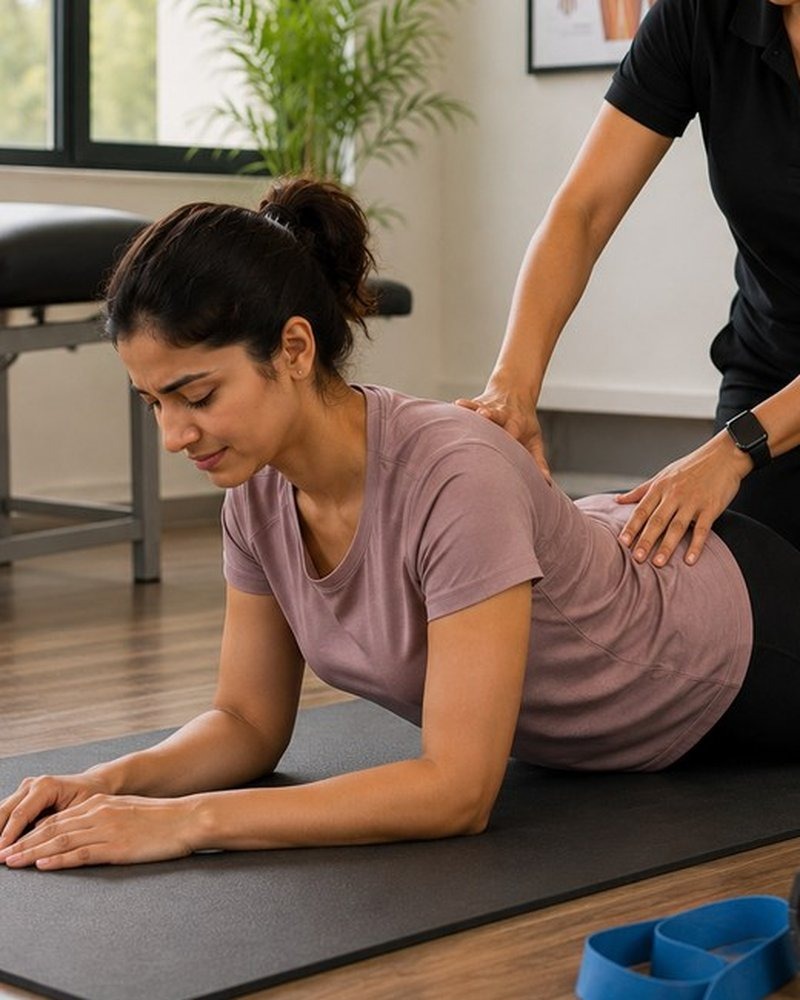
Condition-conscious personal training focuses on rebuilding movement quality and joint stability rather than only treating symptoms temporarily.
Conditions Commonly Affecting Lower Body Joints
ACL, MCL and PCL injuries
Patella pain and tracking problems
Hip and groin dysfunction
Ankle instability and repeated sprains
Foot pain and plantar stress
Osteoarthritis-related joint discomfort
Why Joint Stability Is More Important Than Just Flexibility
Many people stretch constantly but never address the weakness surrounding the painful joint.
Stable joints depend on:
Strong surrounding muscles
Good movement control
Balanced mobility
Proper load distribution
Without muscular support, joints absorb more stress during walking, stairs and exercise.
How Strength Training Supports Joint Recovery
Condition-conscious strength training helps improve:
Joint support and stability
Balance and coordination
Walking and stair confidence
Movement mechanics
Long-term physical resilience
Progress should happen gradually to avoid excessive joint irritation.
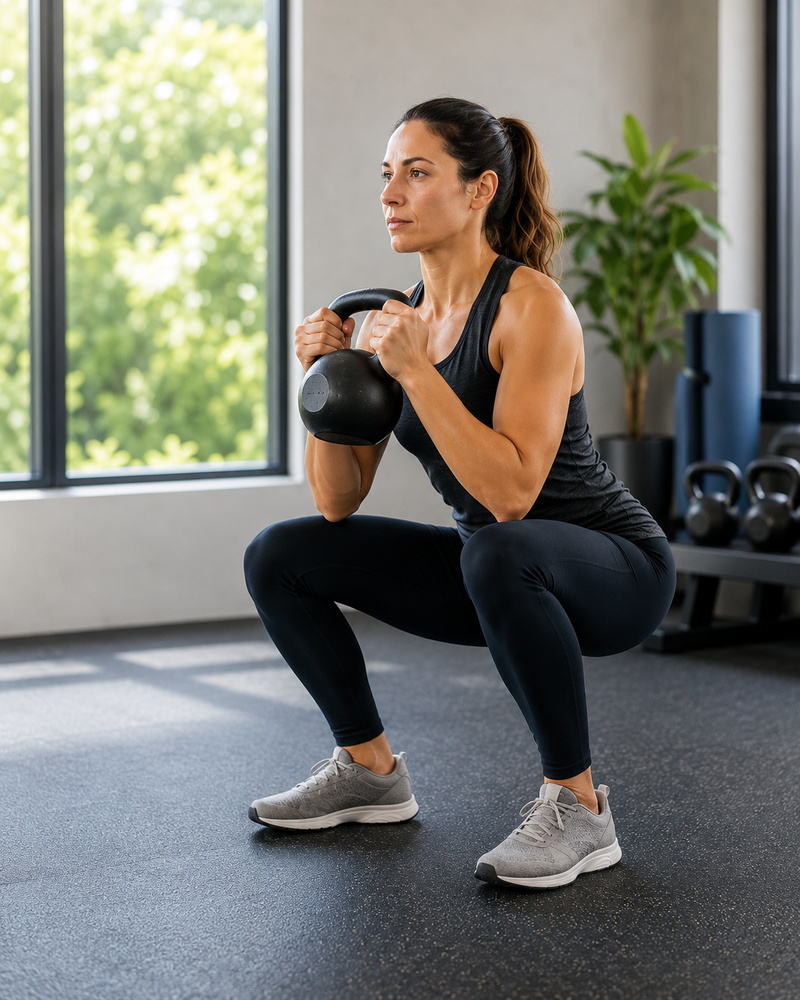
Best Exercises for Joint-Friendly Strength Training
Leg press
Supported split squats
Glute bridges
Calf raises
Single-leg balance drills
Step-ups
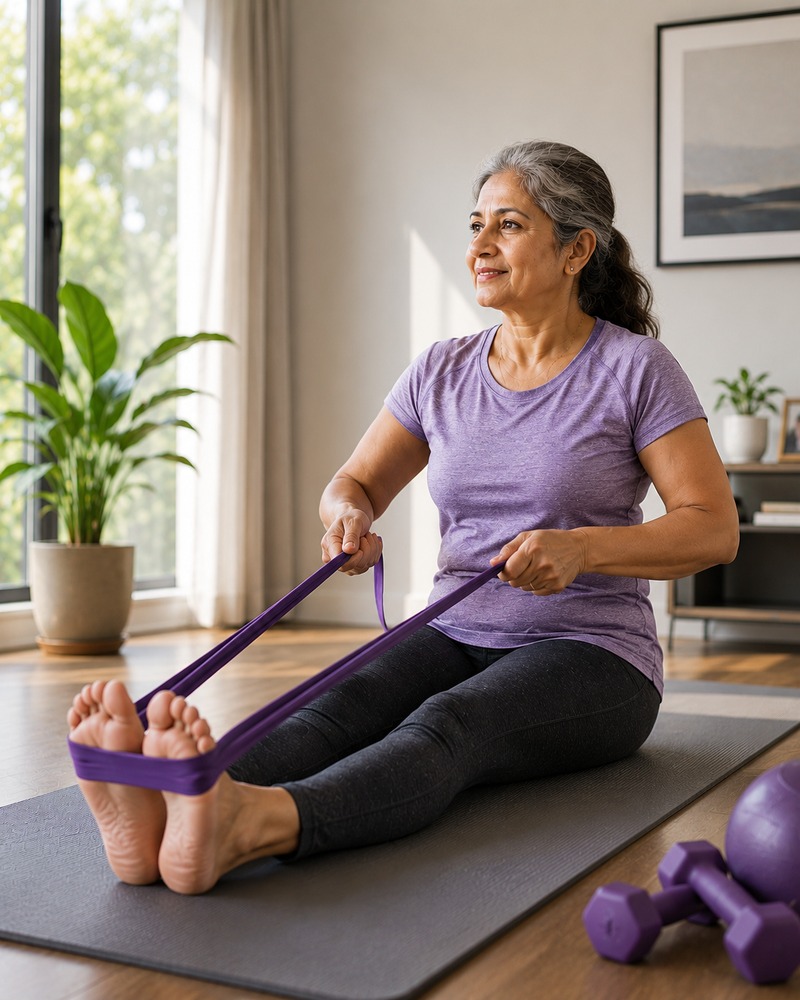
Resistance band mobility work
Why Walking and Mobility Still Matter
Walking helps maintain circulation and movement confidence without aggressive impact.
Mobility work helps:
Reduce stiffness
Improve movement quality
Support healthier joint mechanics
Movement should feel controlled and progressive, not rushed.
How Chronofit Supports Joint Rehabilitation
Chronofit’s condition-conscious personal training approach focuses on mobility, balance, joint-friendly strength progression and long-term movement confidence for people managing knee, hip and ankle conditions.
FAQs
Can strength training help knee pain?
Yes. Strengthening muscles around the knee helps improve joint support and movement control.
Should people with ankle instability avoid exercise?
No. Controlled balance and strength exercises often help improve stability and confidence.
Why does hip weakness affect knee pain?
Weak hips may change movement mechanics and increase stress on the knees.
Is walking good for joint pain?
Walking often supports circulation and movement tolerance when done appropriately.
How does Chronofit approach rehab personal training?
Chronofit focuses on condition-conscious progression, mobility and sustainable joint-friendly movement.
Final Thoughts
Joint pain recovery depends heavily on rebuilding strength, balance and movement confidence. Sustainable rehab-focused strength training creates long-term support for healthier movement patterns.
Chronofit’s condition-conscious personal training approach helps individuals move more confidently and safely through smarter joint-focused progression.
Protect Your Joints and Improve Mobility
Living with joint pain, stiffness or reduced mobility? Explore a personalised strength and mobility programme designed to improve movement confidence and long-term joint support.
Call or WhatsApp:
+971 56 949 4247
Email:
info@chronofit.me