
Why Women with Amenorrhea Need Recovery, Not More Cardio
When periods stop unexpectedly, many women assume they simply need to work harder to “fix” their body composition. Unfortunately, this mindset often leads to more cardio, stricter dieting and greater physical stress.
For women experiencing exercise-related amenorrhea, this can worsen the underlying issue. The body may already be struggling with inadequate recovery, low energy availability and excessive physical stress.
In many cases, the solution is not more punishment. It is better balance.
How Amenorrhea Develops from Lifestyle Stress
The body constantly monitors whether it has enough energy and recovery capacity to support normal hormonal function.
When stress becomes too high, the body may reduce reproductive function to conserve energy.
Contributing factors may include:
Excessive cardio training
Restrictive dieting
Rapid weight loss attempts
Poor sleep quality
High mental stress
Low body fat combined with under-fuelling
This creates a state where the body feels physically unsafe or unsupported.
Why More Cardio Often Makes Things Worse
Cardio itself is not harmful, but excessive cardio combined with low calorie intake can increase physical stress dramatically.
Signs the body may be overloaded include:
Persistent fatigue
Poor recovery after workouts
Sleep disturbances
Mood instability
Reduced training performance
Loss of menstrual cycle
More exercise is not always better when recovery systems are already overwhelmed.
Why Muscle Preservation Matters
Many women unintentionally lose muscle during aggressive fat-loss phases. Low muscle mass may reduce metabolic resilience and increase fatigue further.
Strength training helps support:
Muscle preservation
Improved strength and posture
Better metabolic health
Improved physical confidence
More sustainable body composition support
The focus shifts from extreme calorie burn to building a healthier body.
What Recovery-Focused Training Looks Like
Recovery-focused fitness does not mean avoiding exercise completely. It means training with better balance.
Moderate strength training
Reduced excessive cardio volume
Walking and low-stress movement
Mobility and recovery sessions
Better sleep and nutrition support
The goal is to improve resilience instead of creating more exhaustion.
Best Exercises for Sustainable Strength Training
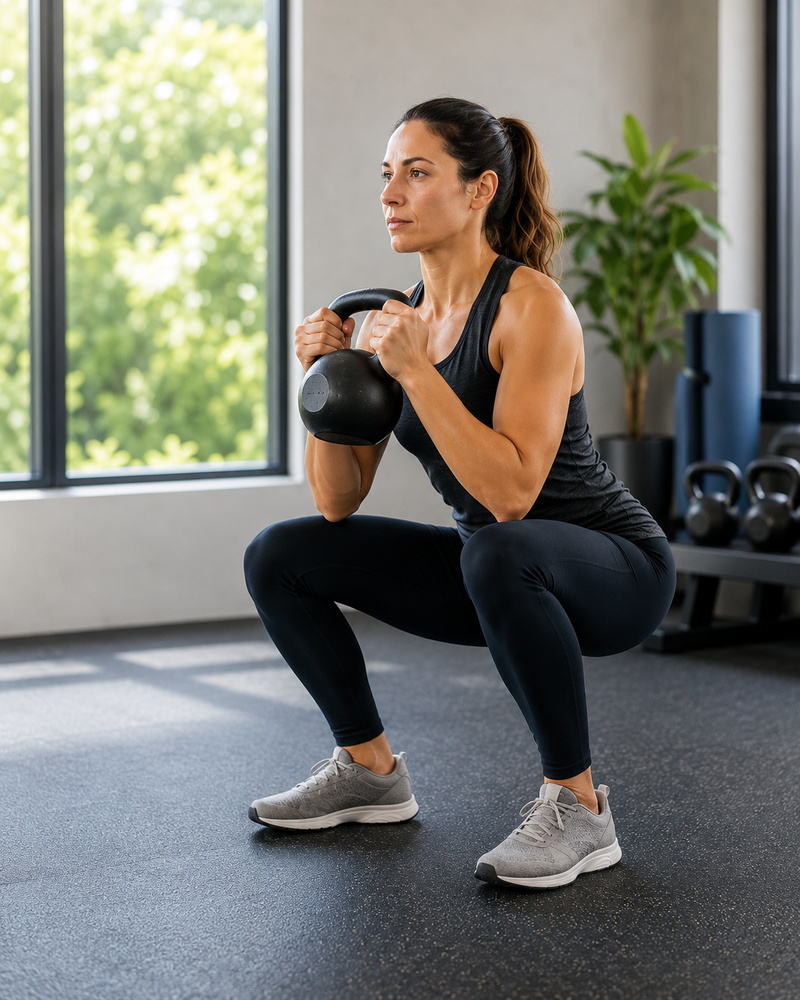
Leg press or goblet squats
Romanian deadlifts
Rows and pull-downs
Step-ups
Chest press
Farmer carries
Controlled compound movements help improve strength without relying on excessive workout intensity.
Why Sleep and Stress Management Matter
Hormonal health is closely connected to nervous system recovery.
Sleep supports hormonal regulation
Stress management improves recovery quality
Balanced nutrition supports energy availability
Without recovery support, the body may continue struggling even with more exercise.
How Chronofit Supports Women Through Condition-Conscious Training
Chronofit’s condition-conscious personal training approach focuses on sustainable progression and long-term wellbeing instead of aggressive fat-loss methods.
Programs are adapted around energy, recovery and movement quality to help women build healthier fitness habits that support both physical and hormonal resilience.
Signs Your Recovery Is Improving
More stable energy throughout the day
Improved workout recovery
Better sleep quality
Reduced fatigue and soreness
Improved consistency with movement
Recovery improvements often happen gradually through better balance and reduced physical stress.
FAQs
Can excessive cardio contribute to amenorrhea?
Excessive cardio combined with under-eating and poor recovery may contribute to hormonal disruption in some women.
Should women with amenorrhea stop exercising completely?
Not necessarily. Exercise may need to become more balanced, recovery-focused and medically guided.
Why is strength training important for hormonal health?
Strength training helps preserve muscle and support sustainable metabolism without relying on excessive cardio.
Can poor sleep affect menstrual health?
Yes. Sleep and stress strongly influence hormonal balance and recovery.
How does Chronofit approach condition-conscious women’s fitness?
Chronofit focuses on supportive training systems that prioritise recovery, sustainability and long-term wellbeing.
Final Thoughts
Amenorrhea may be a sign that the body needs recovery, nourishment and better balance instead of more physical stress. Sustainable strength training supports healthier long-term resilience without relying on extreme fitness habits.
Chronofit’s condition-conscious personal training approach helps women build healthier movement routines that support energy, strength and long-term hormonal wellbeing through smarter progression.
Train Smarter and Support Recovery
Concerned about amenorrhea, low energy or the effects of excessive training? Explore a recovery-aware strength plan designed around sustainable exercise and overall wellbeing.
Call or WhatsApp:
+971 56 949 4247
Email:
info@chronofit.me