
Conditions such as fibromyalgia, chronic fatigue syndrome and scoliosis affect energy levels, movement confidence and recovery capacity. This blog explains how supportive strength training and condition-conscious personal training help improve physical resilience without overwhelming the body.
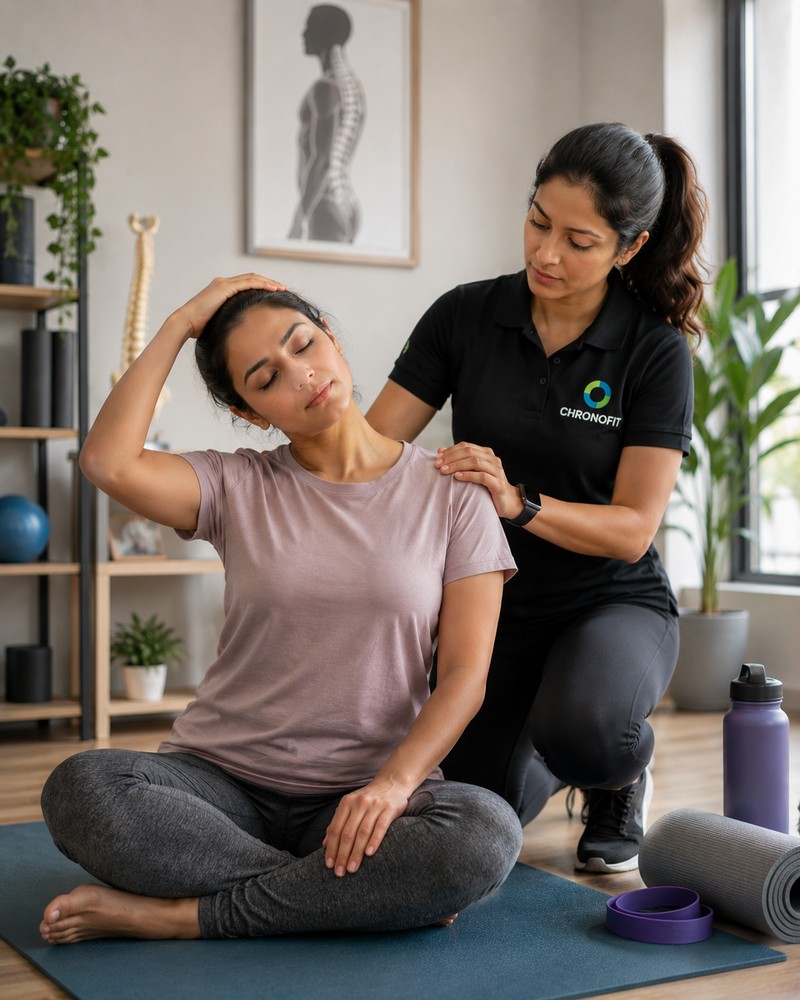
Fibromyalgia, Chronic Fatigue Syndrome and Scoliosis: Why Gentle Strength Training Works Better Than Extreme Workouts
Not every physical condition involves visible injury or structural damage. Many people dealing with fibromyalgia or chronic fatigue syndrome struggle with invisible symptoms such as fatigue, widespread discomfort, poor recovery and low energy. Similarly, scoliosis may affect posture, muscular balance and movement quality over time, especially when combined with long sitting hours and inactivity. Traditional high-intensity workouts often fail for these conditions because the body may already be dealing with nervous system overload and reduced recovery capacity. This is why condition-conscious movement and sustainable strength progression become far more effective long-term.Understanding Fibromyalgia and Chronic Fatigue Syndrome
Fibromyalgia
Fibromyalgia is commonly associated with widespread muscular discomfort, fatigue, sleep disturbances and heightened sensitivity to physical stress.Chronic Fatigue Syndrome
Chronic fatigue syndrome affects energy production and recovery. Many people feel exhausted even after minimal physical or mental activity.Scoliosis
Scoliosis involves curvature of the spine that may contribute to muscular imbalance, posture changes and uneven movement patterns. Although these conditions differ, they often require similar training principles: lower stress, gradual progression and recovery-focused movement.Why Extreme Workouts Often Backfire
Many people try to “push through” fatigue because they believe harder exercise will improve their condition faster. Unfortunately, excessive training intensity may worsen symptoms, which is why condition-conscious training should prioritise recovery capacity and gradual progression. Overtraining may lead to:- Longer recovery times
- Increased fatigue and soreness
- Reduced movement confidence
- Sleep disturbances
- Fear of exercise altogether
Why Gentle Strength Training Helps
Condition-conscious strength training focuses on improving physical resilience gradually without overwhelming the nervous system. A personalised training programme can adjust exercise selection, volume and progression around changing energy levels and movement tolerance. Benefits may include:- Improved movement confidence
- Better muscular support and posture
- Reduced physical deconditioning
- Improved circulation and movement tolerance
- More stable energy management
Why Posture and Stability Matter for Scoliosis
Scoliosis often creates muscular imbalance across the spine and torso. One side of the body may become tighter or weaker than the other. Supportive training may help:- Improve postural awareness
- Support spinal stability
- Improve muscular balance
- Reduce compensatory movement patterns
Best Exercises for Energy-Friendly Strength Training
- Bodyweight-supported squats
- Resistance band rows
- Breathing and mobility drills
- Glute bridges
- Walking intervals
- Light carries and posture work
- Core stability exercises
Why Recovery Is More Important Than Intensity
Recovery capacity matters significantly for people managing chronic fatigue and fibromyalgia. Working with expert trainers who understand recovery-aware programming can help prevent excessive loading while still building strength and movement confidence. Supportive recovery habits include:- Better sleep consistency
- Reducing excessive training volume
- Mobility and breathing work
- Walking instead of excessive cardio
- Managing stress and pacing activity levels
Why Walking Helps More Than People Realise
Walking supports circulation, movement confidence and low-impact physical activity without creating excessive fatigue. Walking may help:- Reduce stiffness
- Improve mental clarity
- Support better daily movement habits
- Reduce fear of activity
How Chronofit Supports Condition-Conscious Movement
Chronofit’s condition-conscious personal training approach focuses on supportive strength progression, posture improvement and recovery-aware programming for individuals managing chronic fatigue, fibromyalgia and scoliosis-related movement challenges. Contact our team to discuss a programme adapted around your symptoms, recovery and daily movement needs. Programs are designed around energy management, movement confidence and long-term sustainability rather than aggressive workout intensity.FAQs
Can people with fibromyalgia do strength training?
Yes. Gentle and properly structured strength training may help improve movement tolerance and physical resilience.Why does excessive exercise worsen chronic fatigue?
People with chronic fatigue often have lower recovery capacity, so excessive intensity may worsen symptoms.Can scoliosis improve with strength training?
Strength training may help improve posture, stability and muscular support around the spine.Is walking beneficial for fibromyalgia?
Walking often supports circulation and movement confidence without excessive stress.How does Chronofit approach condition-conscious personal training?
Chronofit focuses on supportive progression, recovery-aware programming and sustainable movement improvement.Final Thoughts
Conditions such as fibromyalgia, chronic fatigue syndrome and scoliosis require smarter movement strategies instead of aggressive fitness pressure. Sustainable strength training helps improve resilience, posture and movement confidence gradually over time. Chronofit’s condition-conscious personal training approach helps individuals build healthier movement habits through supportive progression and long-term physical resilience.Build Strength Without Overwhelming Your Body
Living with fibromyalgia, chronic fatigue or scoliosis? Explore a personalised, recovery-aware training plan designed to improve strength and movement confidence at a manageable pace.
Call or WhatsApp:
+971 56 949 4247
Email:
info@chronofit.me