Modern sedentary lifestyles are increasing spinal stiffness, posture-related pain and movement dysfunction. This blog explains how condition-conscious strength training and postural correction help support healthier spinal movement and long-term physical resilience.
Postural Correction and Spinal Health: Why Modern Lifestyles Are Creating More Pain Than Ever
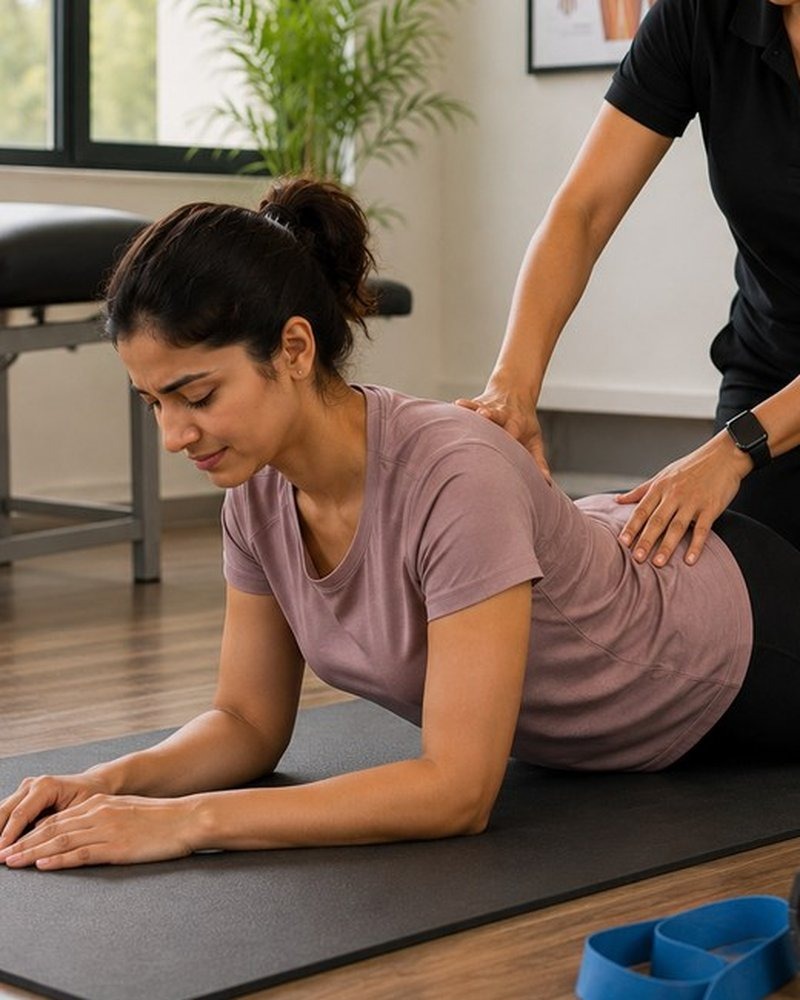
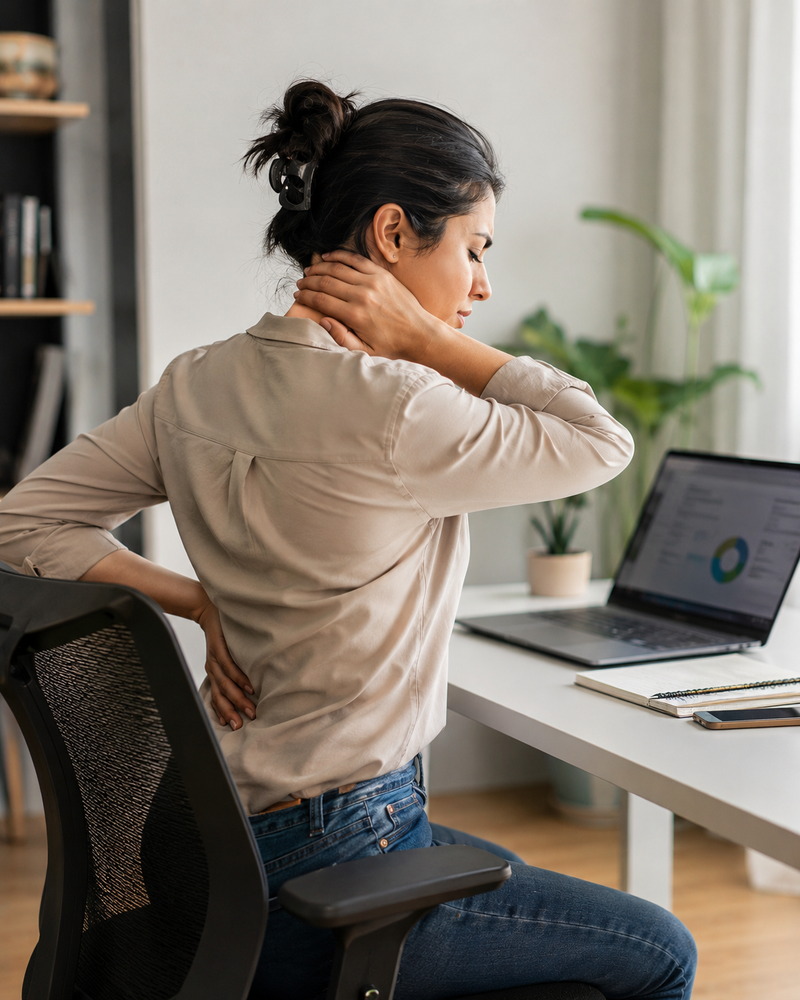
The human body was designed for movement, but modern lifestyles have reduced movement dramatically. Most people now spend hours sitting at desks, driving, looking at screens or working in fixed positions. Over time, this creates poor posture, muscular imbalance and reduced spinal mobility. Many people begin experiencing stiffness, headaches, neck tension and back discomfort without understanding that posture and movement habits are contributing heavily. Condition-conscious postural training helps restore balance and movement quality gradually.Common Signs of Poor Postural Health
- Forward head posture
- Rounded shoulders
- Upper back stiffness
- Lower back tightness
- Reduced mobility during movement
- Frequent muscular fatigue
Why Posture Is About Strength, Not Just Sitting Straight
Many people try to force themselves to “sit straight,” but posture depends heavily on muscular endurance and movement quality. A structured personal training programme can help develop the strength and control needed to support healthier posture. Healthy posture requires:- Strong postural muscles
- Good thoracic mobility
- Shoulder stability
- Core and hip support
- Movement awareness throughout the day
How Poor Posture Affects the Entire Body
Postural dysfunction may contribute to:- Neck pain and headaches
- Shoulder discomfort
- Reduced breathing efficiency
- Lower back overload
- Reduced exercise performance
- Joint stiffness and imbalance
Why Strength Training Supports Better Posture
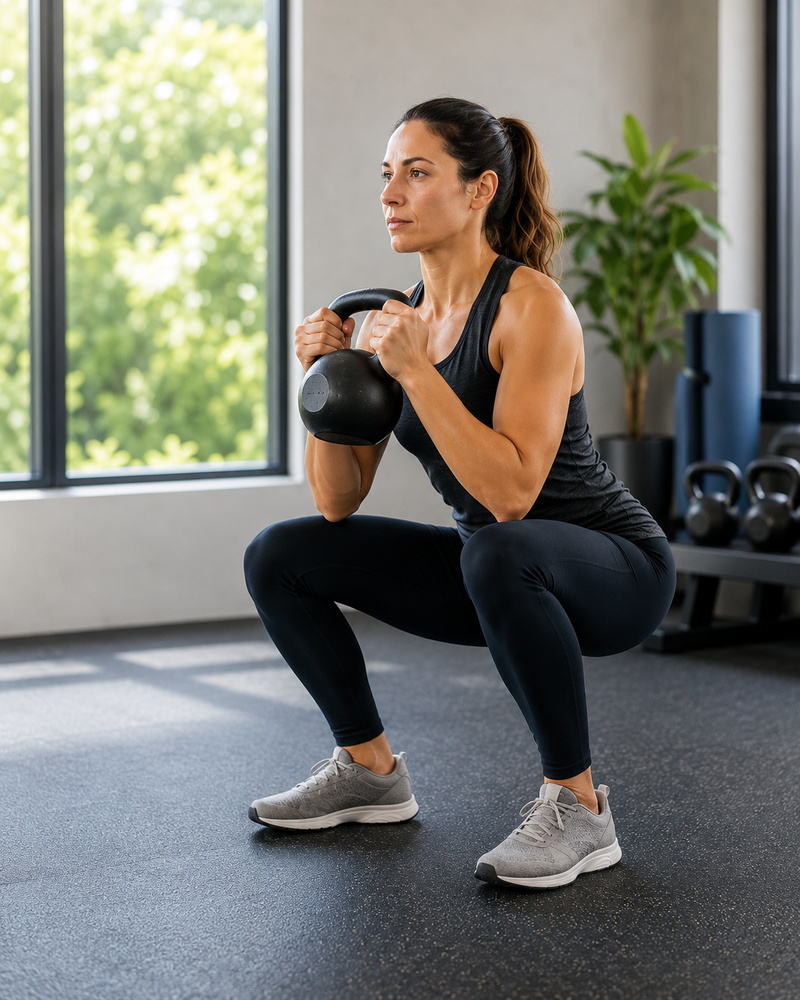
Condition-conscious strength training helps build the muscular support needed for healthier alignment and movement. This is especially important when postural correction is guided by trainers who understand mobility, spinal support and progressive loading. Benefits may include:- Improved spinal support
- Better shoulder positioning
- Reduced upper body tension
- Improved movement efficiency
- Better confidence during activity
Best Exercises for Postural Correction
- Rows and pull-downs
- Face pulls
- Thoracic mobility drills
- Wall slides
- Glute bridges
- Farmer carries
- Core stability exercises
Why Walking and Movement Breaks Matter
Even strong people may experience posture-related discomfort if they remain seated for excessively long periods. Combining regular movement breaks with condition-conscious training can help reduce stiffness and improve movement quality throughout the day. Helpful habits include:- Standing regularly during work
- Walking between tasks
- Stretching the chest and hips periodically
- Reducing uninterrupted sitting time
How Chronofit Supports Postural Health
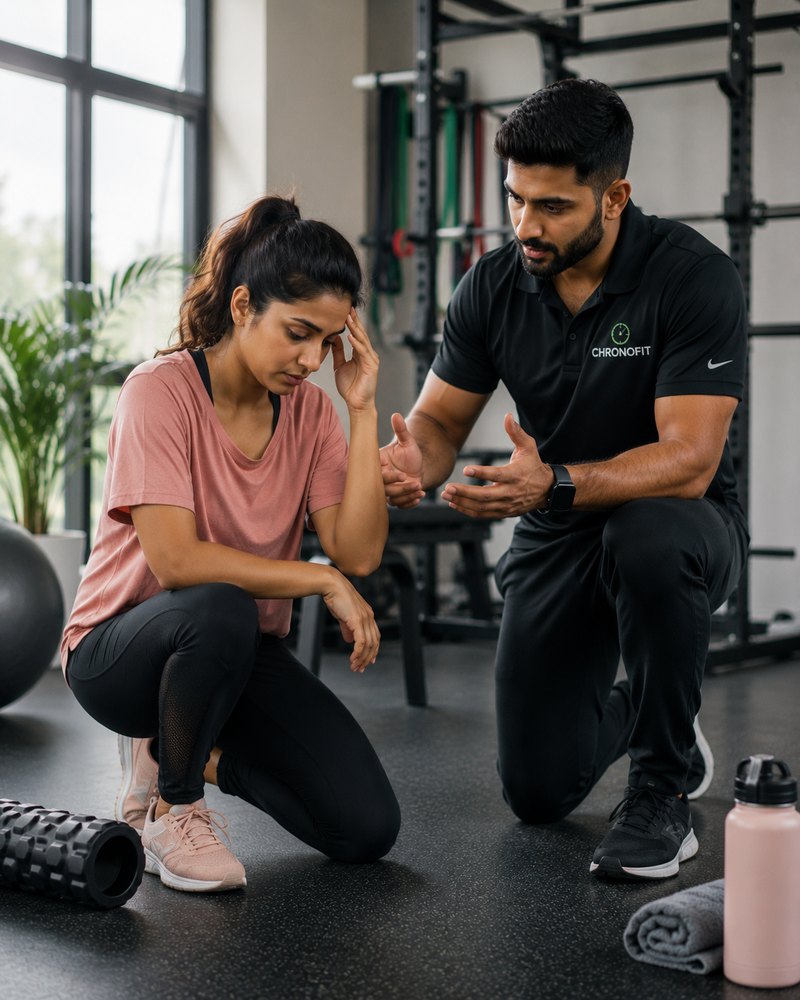
Chronofit’s condition-conscious personal training approach focuses on mobility, spinal support, postural correction and sustainable strength development for people dealing with posture-related movement issues. Programs are adapted around movement quality, recovery and long-term resilience rather than extreme workout intensity. Learn why clients choose ChronoFit for a more personalised and health-conscious approach.FAQs
Can strength training improve posture?
Yes. Strength training improves muscular support and movement control, which help support better posture.Why does sitting too much affect spinal health?
Long sitting hours reduce movement, increase stiffness and weaken postural muscles over time.Can posture cause headaches and neck pain?
Poor posture may increase tension around the neck and shoulders, contributing to headaches and discomfort.Is stretching enough for postural correction?
Stretching helps mobility, but strength and movement control are also necessary for lasting improvement.How does Chronofit approach postural correction?
Chronofit focuses on condition-conscious strength development, mobility and sustainable movement improvement.Final Thoughts
Modern lifestyles are creating increasing levels of posture-related discomfort and spinal stiffness. Sustainable strength training and movement-focused fitness help restore healthier posture and long-term movement resilience. Chronofit’s condition-conscious personal training approach helps individuals improve spinal health and movement confidence through smarter posture-focused progression.Improve Your Posture and Spinal Health
Experiencing back stiffness, neck tension, rounded shoulders, or posture-related discomfort? Speak with a ChronoFit specialist about personalised postural correction and strength training in Dubai.
Call or WhatsApp:
+971 56 949 4247
Email:
info@chronofit.me