
Cancer-Related Fatigue Is Not Ordinary Tiredness
Cancer-related fatigue can be persistent, disproportionate to recent activity and difficult to resolve with sleep alone. Treatment, deconditioning, changes in blood counts, pain, sleep disruption, nutrition, emotional stress and other medical factors can all contribute.
Because fatigue can have multiple causes, new or worsening symptoms should be discussed with the oncology team. Exercise can be valuable supportive care, but it should not be used to explain away symptoms that need medical investigation.
Why Complete Rest Is Not Always the Best Strategy
It is understandable to rest when energy is low. But prolonged inactivity can contribute to loss of muscle, reduced aerobic fitness and lower tolerance for everyday tasks. That can create a cycle in which normal activity requires more effort.
Exercise oncology guidance increasingly supports appropriately prescribed activity during and after treatment. The key word is appropriate: the programme should reflect cancer type, treatment, side effects, bone health, blood counts, surgery, neuropathy, lymphedema risk and other individual factors.
What the Evidence Says About Exercise and Fatigue
Exercise guidelines for people living with and beyond cancer support both aerobic and resistance exercise for several treatment-related outcomes. Evidence is particularly strong for improving cancer-related fatigue, quality of life and physical function when exercise is prescribed at an appropriate dose.
That is why working with a qualified cancer exercise specialist can be different from joining a generic fitness programme.
Strength Training Helps Protect Physical Capacity
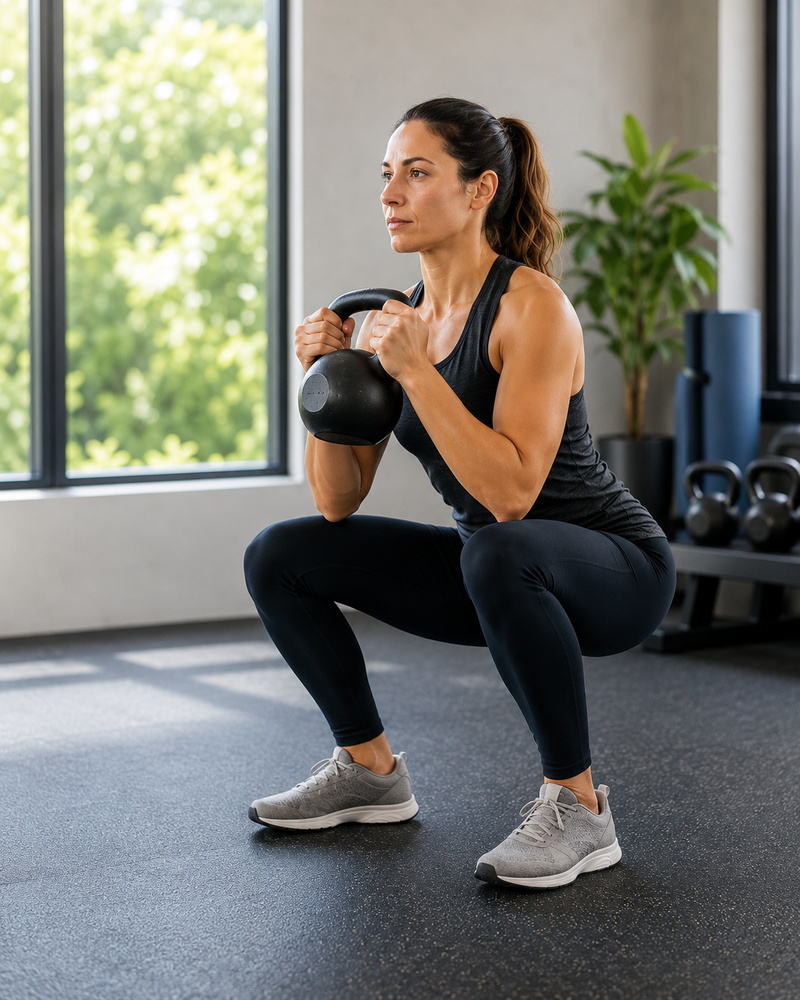
Resistance exercise can help preserve or rebuild muscle strength during recovery. This matters because muscle loss can make walking, stairs, carrying groceries and returning to work feel more demanding.
A personalised strength training programme should begin from current capacity, not from what the person could do before diagnosis.
Training Variables That May Need Adjustment
- Exercise selection after surgery
- Resistance and repetition range
- Session duration
- Rest periods
- Balance demands when neuropathy is present
- Impact when bone health is compromised
- Weekly frequency during periods of high fatigue
Aerobic Exercise and Resistance Training Work Together
Walking, cycling or other aerobic activity can support cardiorespiratory fitness, while resistance training targets muscular strength and function. A combined programme is often more useful than treating one form of exercise as universally superior.
| Goal | Possible Exercise Focus |
|---|---|
| Reduce deconditioning | Regular tolerable aerobic activity |
| Maintain strength | Progressive resistance exercise |
| Improve function | Strength plus task-specific movement |
| Manage fatigue | Appropriate exercise dose with recovery |
| Return to normal activity | Gradual progression based on symptoms and treatment stage |
Why Specialist Supervision Can Matter
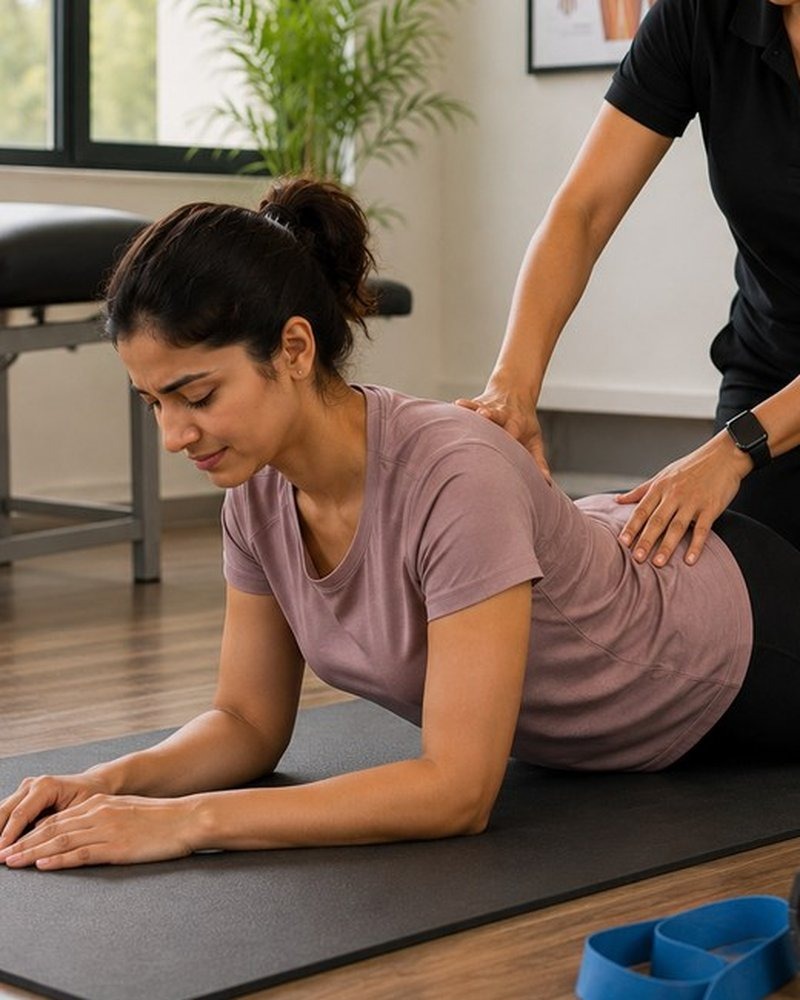
Cancer treatment can create considerations that are uncommon in general fitness. These may include surgical restrictions, ports, ostomies, treatment-related cardiotoxicity, neuropathy, bone metastases, lymphedema, severe fatigue or changing blood counts.
ChronoFit’s team includes specialised expertise for cancer-focused exercise. You can meet our expert trainers and understand the qualifications behind the programme before beginning.
Exercise Intensity Should Match the Day
Recovery is rarely linear. Some days may support a normal training session; other days may require reduced volume, lighter resistance or simple mobility and walking. Adjusting the dose is not failure. It is part of intelligent programming.
A useful programme tracks patterns over time instead of judging success from a single workout.
When Exercise Should Be Paused or Reviewed
People undergoing or recovering from cancer treatment should follow the advice of their oncology team. Fever, acute illness, uncontrolled symptoms, new chest pain, unusual shortness of breath, severe dizziness, significant bleeding concerns or new neurological symptoms require appropriate medical review.
How ChronoFit Supports Cancer Recovery
ChronoFit uses an individualised approach that considers treatment history, current symptoms, movement capacity and recovery. The objective is not to “fight cancer” through harder workouts. It is to use exercise intelligently to support strength, function and quality of life alongside medical care.
If you are considering exercise during or after cancer treatment, contact ChronoFit to discuss whether specialist exercise support is appropriate for your situation.
FAQs
Does exercise help cancer-related fatigue?
Evidence supports appropriately prescribed exercise as a useful strategy for cancer-related fatigue in many people living with and beyond cancer.
Can I lift weights during cancer treatment?
Some people can, but suitability depends on treatment, surgery, symptoms, blood counts, bone health and other clinical factors. Exercise should be individualised.
How much exercise should a cancer survivor do?
General guidelines provide useful targets, but the appropriate starting dose may be much lower during treatment or early recovery. Individualisation matters more than forcing a guideline immediately.
Is a normal personal trainer enough after cancer?
Some survivors with uncomplicated recovery may eventually train in general fitness settings. During treatment or when significant side effects and clinical considerations are present, cancer-specific exercise expertise can be valuable.
Can exercise prevent cancer recurrence?
Physical activity is associated with better outcomes for some cancers, but exercise should not be presented as a guarantee against recurrence. It is one component of broader survivorship care.
Final Thoughts
Cancer-related fatigue can make movement feel counterintuitive, but the choice is not between complete rest and aggressive exercise. Evidence supports a more precise middle ground: appropriately dosed aerobic and resistance training that changes with treatment, symptoms and recovery.
Improve Your Posture and Spinal Health
Experiencing back stiffness, neck tension, rounded shoulders, or posture-related discomfort? Speak with a ChronoFit specialist about personalised postural correction and strength training in Dubai.
Call or WhatsApp:
+971 56 949 4247
Email:
info@chronofit.me