
Asthma and Exercise: Why Avoiding Activity Is Usually Not the Long-Term Answer
Asthma can make exercise feel unpredictable. Breathlessness, coughing, chest tightness or wheezing may make people cautious about training, and a difficult session can quickly create fear around exercise. But avoiding activity completely can reduce cardiovascular fitness and muscular capacity, making ordinary physical tasks feel harder over time.
Current asthma guidance recognises regular physical activity as beneficial for general health and quality of life. The goal is not to ignore symptoms or “push through” an asthma flare. It is to build a routine that respects medical treatment, known triggers and the individual’s current exercise tolerance.
Why Dubai Can Add Another Layer of Complexity
For people living in Dubai, exercise planning may also need to account for outdoor heat, humidity, dust and periods of poorer air quality. These factors do not affect everyone in the same way, but they can influence when and where someone with asthma feels comfortable exercising.
- Very hot outdoor sessions may increase perceived breathing difficulty.
- Dust or airborne irritants may be relevant triggers for some people.
- Sudden high-intensity exercise without an adequate warm-up may feel harder to tolerate.
- Dehydration and poor recovery can make a demanding session feel unnecessarily difficult.
For this reason, condition-conscious training should be adapted around the person rather than built around a generic high-intensity template.
Can People with Asthma Do Strength Training?
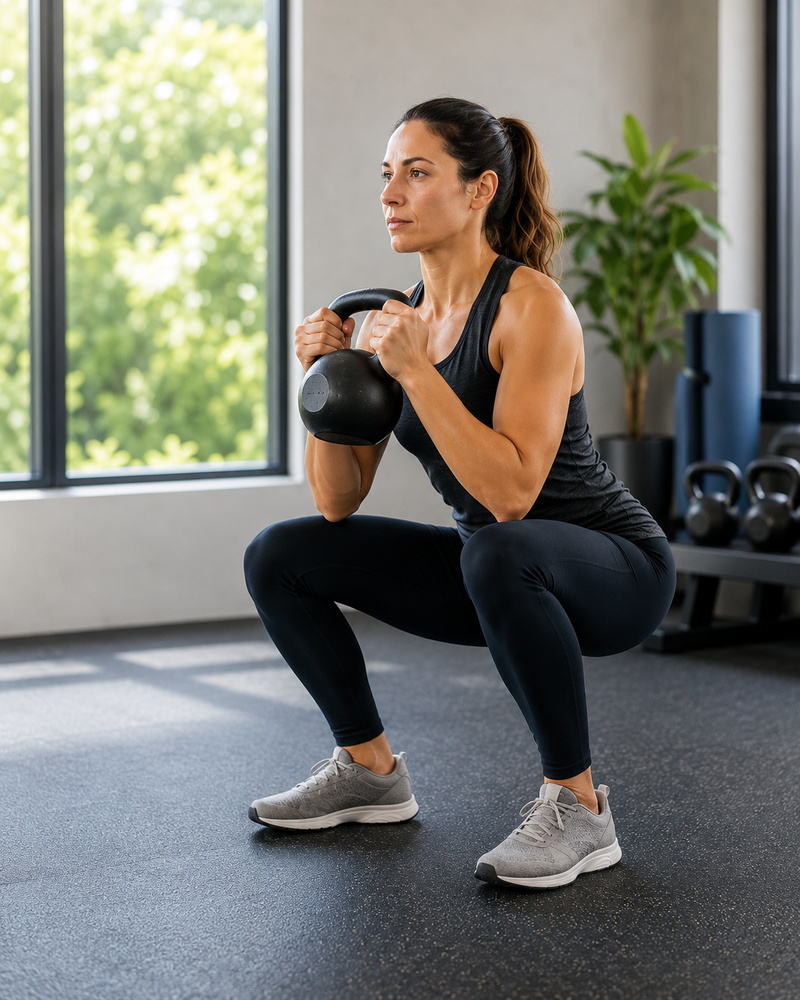
For many people with medically managed asthma, resistance exercise can be part of an active lifestyle. Strength training is naturally intermittent: a set of exercise is followed by a recovery period. That structure may be easier to regulate than continuous maximal-effort exercise for some individuals.
A personal training programme in Dubai can use gradual loading, controlled repetitions and planned rest periods instead of chasing breathlessness as proof of a good workout.
Useful Strength-Training Priorities
- Learn controlled technique before increasing load.
- Start with manageable sets and allow adequate recovery.
- Train major muscle groups with a balanced programme.
- Avoid unnecessary breath-holding during resistance exercises.
- Progress one variable at a time: load, repetitions, sets or complexity.
The Warm-Up Matters More Than Many People Realise
Jumping from complete rest into demanding exercise can create a sharp increase in breathing demand. A progressive warm-up gives the cardiovascular and respiratory systems time to respond.
A practical warm-up may begin with easy walking or cycling, followed by mobility work and lighter versions of the exercises planned for the session. The exact duration should reflect the individual, their asthma action plan and guidance from their healthcare professional.
Strength Training vs Cardio for Asthma
This should not be treated as an either-or decision. Aerobic activity develops cardiorespiratory fitness, while resistance training develops muscular strength and physical capacity. For many people, a sensible programme combines both.
| Training Type | Main Role | Practical Approach |
|---|---|---|
| Strength training | Build muscular strength and functional capacity | Controlled sets with planned recovery |
| Walking or cycling | Build aerobic capacity | Start at a sustainable pace and progress gradually |
| Mobility work | Support movement quality | Use as part of warm-up, recovery or separate sessions |
| Higher-intensity work | Optional progression for suitable individuals | Only when symptoms, fitness and medical guidance support it |
When Should a Session Be Modified or Stopped?
Exercise should not become a contest against symptoms. New, unusual or escalating breathing difficulty deserves attention. People with asthma should follow the medication and emergency guidance provided by their clinician and know what to do if symptoms develop during exercise.
A trainer is not a replacement for an asthma specialist. The role of an experienced fitness professional is to structure exercise appropriately within the medical guidance already provided.
What a Smarter Asthma-Friendly Programme Looks Like
- Consistent rather than sporadic training
- Gradual progression instead of sudden intensity spikes
- Aerobic and resistance exercise rather than cardio alone
- Planned recovery between demanding sessions
- Indoor alternatives when environmental conditions are unsuitable
- Clear communication about symptoms and exercise response
How ChronoFit Approaches Asthma-Friendly Training
ChronoFit’s approach is built around the person’s health history, current fitness, movement capacity and recovery. The aim is to improve physical capacity without turning every workout into a maximal-effort session.
If asthma has made you hesitant to exercise, contact the ChronoFit team to discuss a structured approach that can work alongside your medical care.
FAQs
Is strength training safe for people with asthma?
Many people with well-managed asthma can participate in resistance exercise, but suitability and intensity depend on the individual. Follow your clinician’s advice and asthma action plan.
Can exercise cure asthma?
No. Exercise is not a cure for asthma. Regular activity can improve general fitness and quality of life, while asthma itself should continue to be medically managed.
Is cardio bad for asthma?
No. Aerobic exercise can be valuable. The appropriate mode, intensity, environment and progression depend on symptoms and individual triggers.
Should I train outdoors in Dubai if I have asthma?
It depends on your triggers and current environmental conditions. Some people may prefer indoor training during periods of heat, dust or poor air quality.
Do I need a personal trainer for asthma?
Not everyone does, but people who are unsure how to progress exercise around symptoms may benefit from structured coaching that works within their medical guidance.
Final Thoughts
Asthma does not automatically mean avoiding strength training or fitness. The more useful question is how exercise can be structured around symptoms, triggers, treatment and current capacity. With appropriate medical management and sensible progression, training can become a tool for building confidence rather than another source of anxiety.
Improve Your Posture and Spinal Health
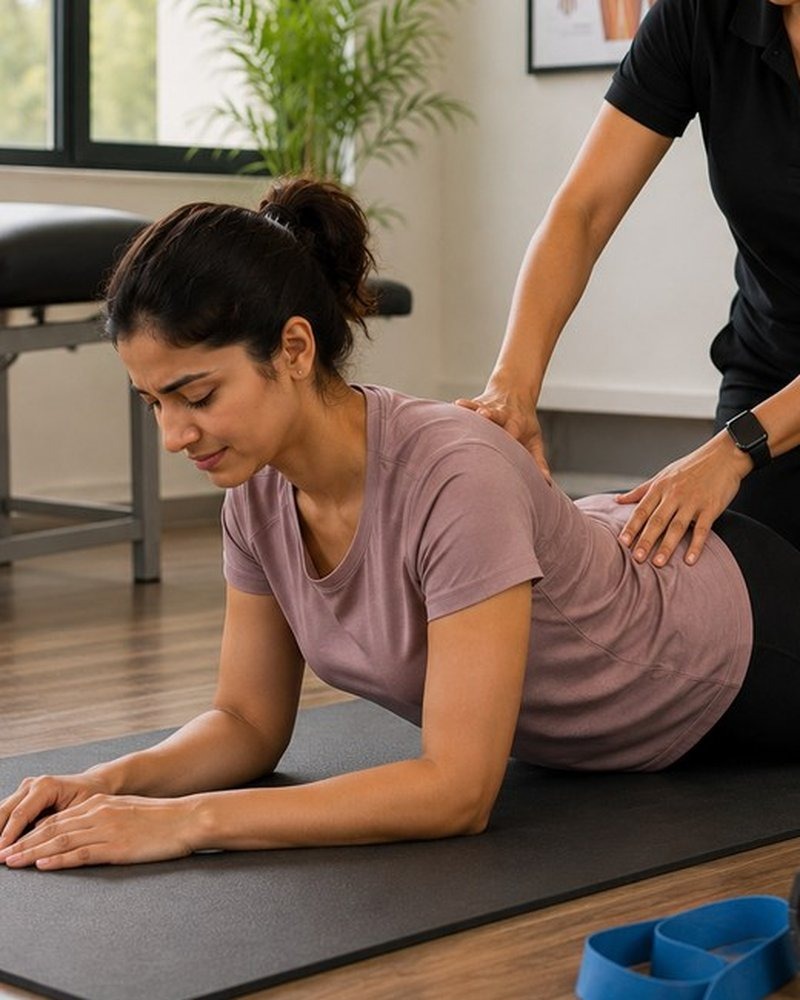
Experiencing back stiffness, neck tension, rounded shoulders, or posture-related discomfort? Speak with a ChronoFit specialist about personalised postural correction and strength training in Dubai.
Call or WhatsApp:
+971 56 949 4247
Email:
info@chronofit.me