
Why Exercise Programming for Autism Should Be Individualised
Autism is a spectrum, which means there is no single exercise style that will suit every autistic person. Communication preferences, sensory sensitivity, motor skills, coordination, confidence, routine and previous exercise experience can differ considerably.
That is why exercise should begin with the individual rather than the diagnosis. A programme may need a quieter environment, clearer demonstrations, predictable session structure, fewer exercise changes or more time to learn a movement.
What Research Says About Exercise and Autism
Research in autistic young adults suggests that physical activity programmes can improve physical fitness and movement performance. Studies have included aerobic exercise, resistance training, movement-skill programmes and sport-based activities. The evidence base is still developing, so claims should remain realistic: exercise supports physical health and fitness; it is not a treatment that removes autism.
For people who need more individual adaptation, condition-conscious training can account for movement ability, communication and environmental preferences.
Why Predictability Can Make Training Easier
Some autistic people may feel more comfortable when the structure of a session is clear before it begins. Predictability can reduce unnecessary uncertainty and allow more attention to be directed toward movement.
- Use a consistent session order.
- Explain the exercise before changing it.
- Demonstrate movements visually when useful.
- Keep instructions clear and specific.
- Allow adequate transition time between activities.
- Avoid changing several variables at once.
Strength Training Can Be Simple and Measurable
Resistance training provides clear, repeatable tasks. Progress can be measured through improved technique, more repetitions, slightly higher resistance or better control.
A structured personal training programme may use a small number of familiar exercises and progress them gradually instead of introducing a completely different workout every session.
Examples of Foundational Movements
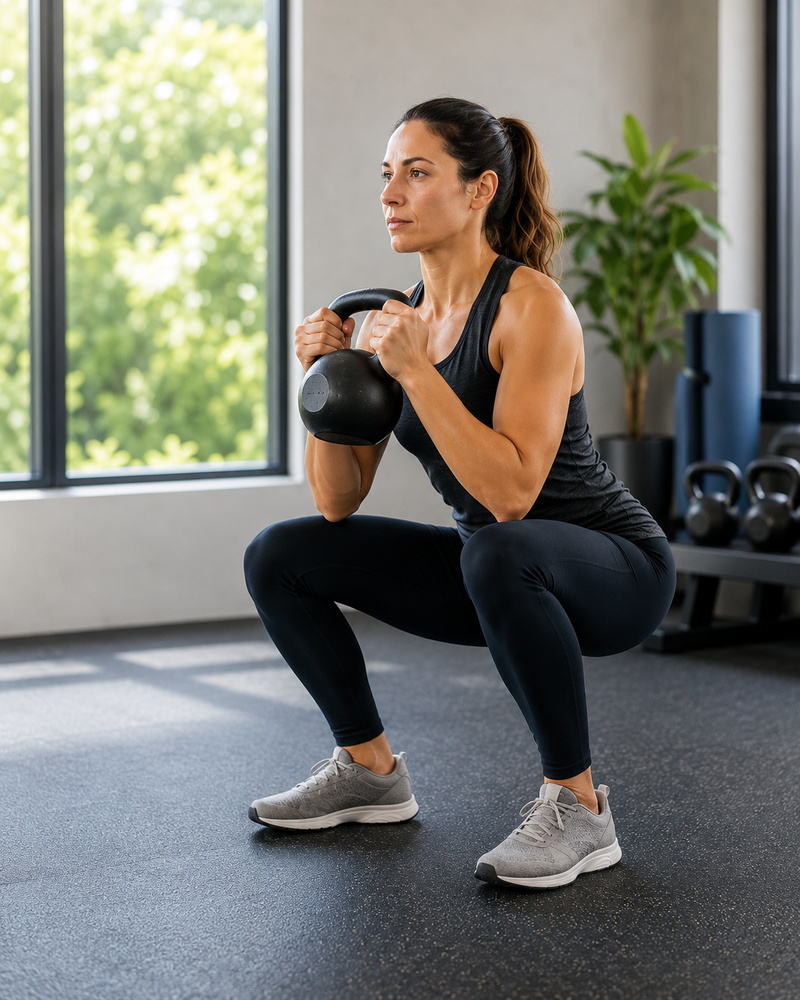
- Sit-to-stand or squat variations
- Supported rows
- Pressing movements
- Step-ups
- Loaded carries
- Simple core stability exercises
The exercise itself matters less than whether it is appropriate, understandable, tolerable and repeatable for the individual.
Sensory Environment Matters
A busy gym can involve loud music, mirrors, bright lighting, crowded spaces and unpredictable movement from other people. For someone with sensory sensitivities, those factors may make exercise unnecessarily stressful.
Adjustments can include quieter training times, a consistent area of the gym, reduced unnecessary noise, familiar equipment and fewer simultaneous instructions.
Motor Skills, Balance and Coordination
Some autistic people may benefit from additional work on balance, coordination and movement confidence. These skills can be trained alongside strength rather than treated as a separate fitness goal.
| Training Goal | Example Approach |
|---|---|
| Strength | Progressive resistance exercises with consistent technique |
| Balance | Supported single-leg work, carries and controlled stepping |
| Coordination | Simple movement sequences progressed gradually |
| Aerobic fitness | Walking, cycling or other tolerable rhythmic activity |
| Routine | Predictable session structure and repeated movement patterns |
The Trainer–Client Relationship Is Important
Effective coaching is not about speaking more loudly or giving more instructions. It is about finding the communication style that works for the person.
Meeting ChronoFit’s expert trainers can help families and individuals understand how coaching can be adapted around communication, movement confidence and exercise preferences.
How ChronoFit Approaches Autism-Friendly Exercise
ChronoFit focuses on individual assessment rather than a one-size-fits-all autism workout. Training can be adapted around current fitness, movement ability, routine, communication and sensory considerations while keeping the central goal clear: building physical capacity safely and sustainably.
To discuss whether this approach is appropriate for you or a family member, contact ChronoFit.
FAQs
Can autistic adults do strength training?
Yes. Resistance exercise has been used successfully in research involving autistic people, but programmes should be adapted to individual ability, preferences and support needs.
What is the best exercise for autism?
There is no single best exercise. Strength training, aerobic activity, movement-skill work and sports can all be useful depending on the individual.
Can exercise improve autism?
Exercise can improve physical fitness and may support movement, psychological wellbeing and quality of life. It should not be presented as a cure for autism.
How often should an autistic person exercise?
Frequency depends on age, health, current fitness and tolerance. Consistency is usually more useful than creating an overly demanding schedule.
Why might one-to-one training help?
One-to-one coaching can make it easier to control the environment, pace instructions, maintain predictable routines and individualise progression.
Final Thoughts
A good autism-friendly exercise programme is not defined by unusual exercises. It is defined by how well ordinary fitness principles are adapted to the person. Clear communication, predictable structure, progressive strength work and respect for sensory preferences can make exercise more accessible and sustainable.
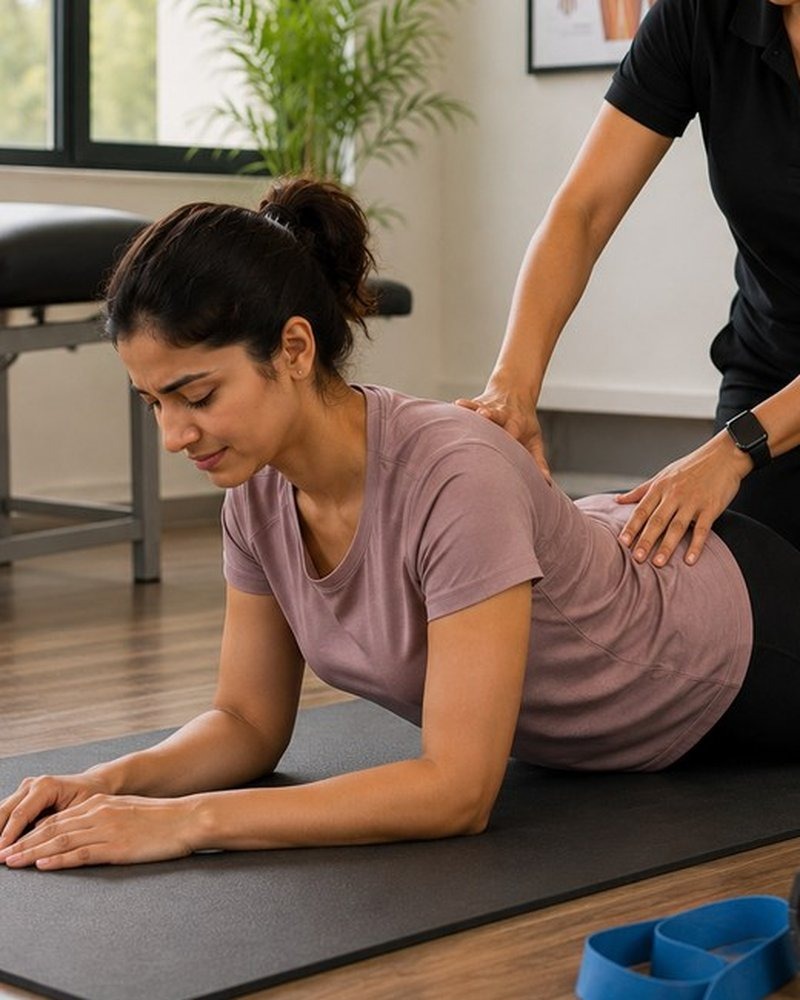
Improve Your Posture and Spinal Health
Experiencing back stiffness, neck tension, rounded shoulders, or posture-related discomfort? Speak with a ChronoFit specialist about personalised postural correction and strength training in Dubai.
Call or WhatsApp:
+971 56 949 4247
Email:
info@chronofit.me