COPD and Strength Training: Why Building Muscle Can Help You Breathe Better
Chronic Obstructive Pulmonary Disease (COPD) affects millions of people worldwide and can make everyday activities feel exhausting. Walking, climbing stairs or even carrying groceries may leave someone short of breath.
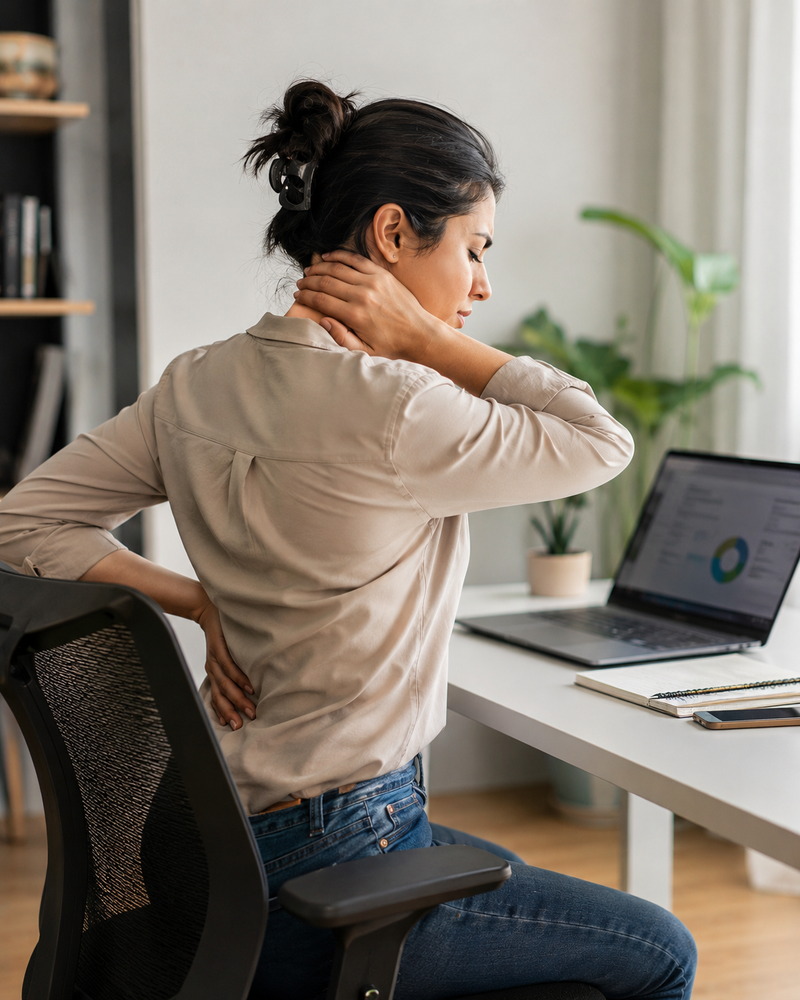
Because breathing becomes harder, many people with COPD gradually reduce movement to avoid discomfort. But over time, less movement often leads to weaker muscles, lower stamina and even greater fatigue.
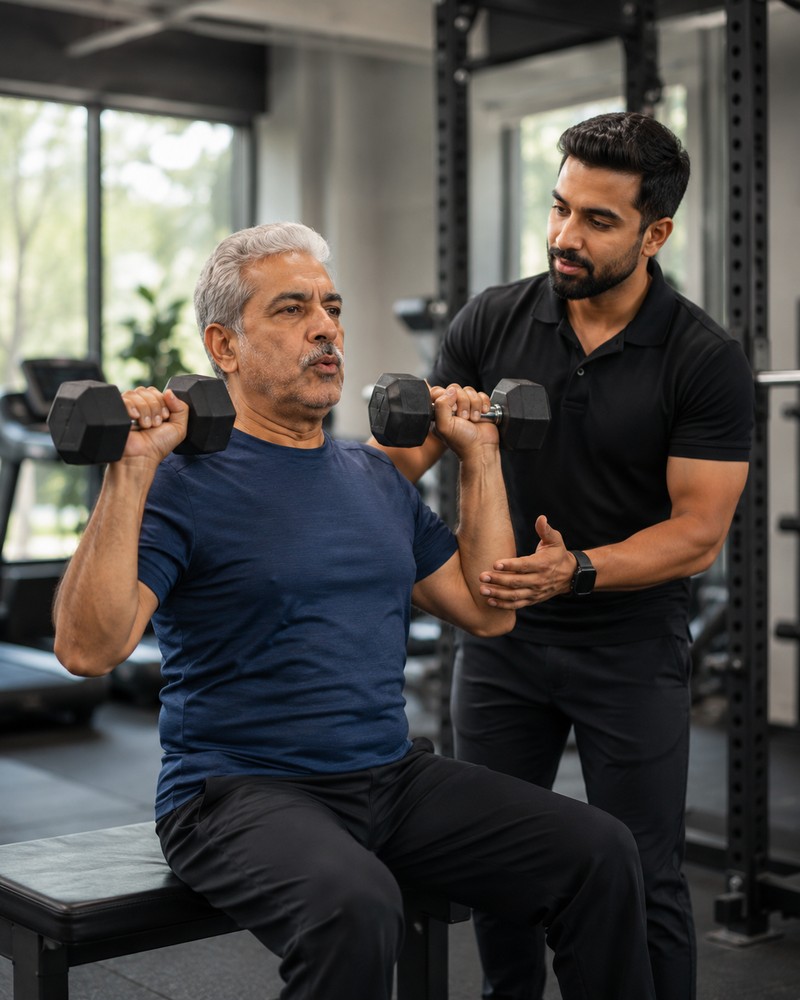
This is why carefully structured exercise has become an important part of COPD management. Strength training and condition-conscious fitness can help improve physical function, movement confidence and overall quality of life.
What Is COPD?
COPD is a long-term lung condition that affects airflow and breathing efficiency. It commonly includes chronic bronchitis, emphysema or a combination of both.
Common symptoms include:
Shortness of breath
Reduced stamina
Persistent cough
Chest tightness
Fatigue during daily activities
Reduced physical activity tolerance
As movement becomes harder, muscle weakness and reduced conditioning can worsen symptoms further.
Why Muscle Strength Matters in COPD
Many people think COPD is only a lung problem. But muscle strength and overall conditioning play a major role in how the body handles physical effort.
When muscles become weak:
The body uses energy less efficiently
Simple activities feel more exhausting
Breathing effort increases during movement
Recovery becomes slower
Strength training helps improve muscular efficiency so the body can perform tasks with less overall strain.
Can Strength Training Help COPD?
Yes, when appropriately structured and medically approved. Strength training helps improve physical capacity without requiring continuous high-intensity cardio.
Benefits may include:
Improved movement efficiency
Better stamina during daily activities
Improved leg and upper body strength
Reduced fatigue with movement
Improved confidence with physical activity
The goal is not extreme fitness. The goal is making daily life easier and more manageable.
Why Overexertion Should Be Avoided
People with COPD should avoid jumping into intense exercise programs too quickly. Excessive fatigue and breathlessness can create anxiety around exercise and reduce consistency.
A condition-conscious approach focuses on:
Controlled breathing
Moderate intensity
Gradual progression
Adequate rest periods
Monitoring recovery and breathing comfort
Consistency matters far more than intensity.
Best Exercises for COPD-Friendly Strength Training
Exercises should improve functional movement while staying manageable for breathing and recovery.
Seated leg press
Supported squats
Step-ups with assistance if needed
Seated rows
Chest press with moderate resistance
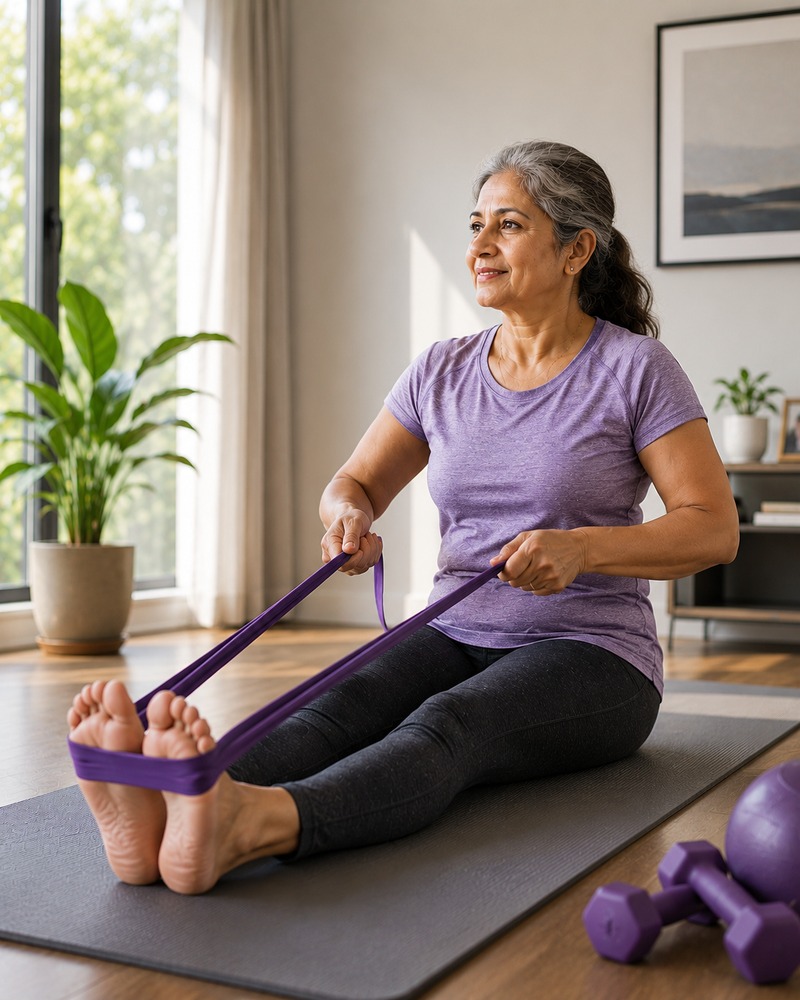
Resistance band exercises
Walking intervals
Programs should always be adapted to the individual’s breathing capacity and medical status.
How Walking Helps COPD
Walking is one of the simplest ways to improve conditioning gradually. Short walking intervals repeated consistently can improve circulation and movement tolerance.
Walking may help:
Improve stamina slowly
Reduce fear of movement
Improve cardiovascular conditioning
Support lung efficiency during activity
Even small improvements in walking tolerance can make daily life easier.
Why Breathing Technique Matters
Breathing control is important during exercise for COPD.
Helpful habits include:
Slow controlled breathing during effort
Avoiding breath-holding
Resting when breathing becomes excessively difficult
Using pacing instead of rushing exercises
Exercise should feel manageable and controlled, not overwhelming.
What a COPD-Friendly Weekly Routine Can Look Like
2–3 moderate strength training sessions weekly
Short walking sessions most days
Mobility and breathing work
Recovery-focused scheduling
This structure helps build consistency without excessive physical stress.
How Chronofit Supports Condition-Conscious COPD Fitness
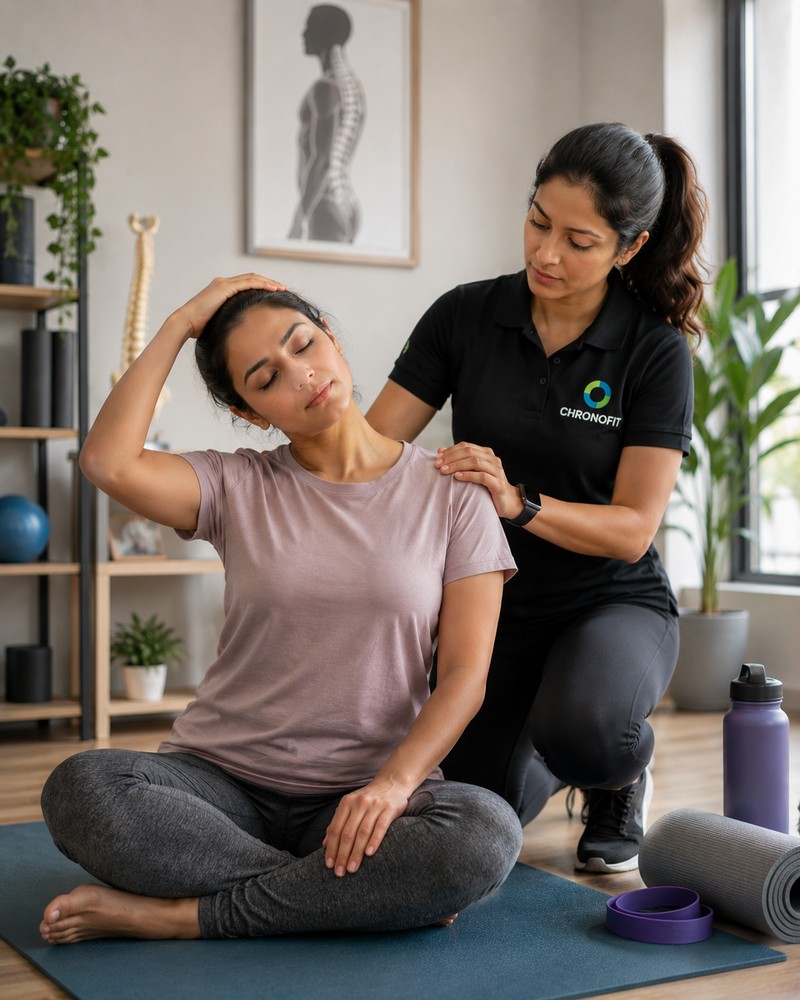
Chronofit’s condition-conscious personal training approach focuses on safer progression for people managing medical and respiratory conditions. Programs are adapted around stamina, breathing comfort, recovery and movement confidence.
Instead of using high-intensity one-size-fits-all workouts, Chronofit focuses on sustainable strength development, mobility and long-term physical resilience.
Signs Your COPD-Friendly Fitness Plan Is Working
Walking becomes easier
Reduced fatigue during daily tasks
Improved movement confidence
Better recovery after activity
Improved strength and stamina gradually
Progress should happen steadily and safely over time.
FAQs
Can people with COPD do strength training?
Yes, when medically appropriate and properly structured, strength training can help improve stamina, strength and movement efficiency.
Is walking good for COPD?
Yes. Walking helps improve conditioning and daily movement tolerance gradually.
Should people with COPD avoid exercise?
No. Avoiding movement completely can worsen weakness and reduce physical conditioning over time.
What type of exercise is best for COPD?
Moderate strength training, walking and breathing-focused movement are often beneficial when adapted appropriately.
How does Chronofit approach COPD-focused fitness?
Chronofit uses condition-conscious programming focused on safe progression, breathing comfort and sustainable movement improvement.
Final Thoughts
COPD can make movement feel difficult, but avoiding activity completely often creates more weakness and fatigue. Carefully structured exercise helps improve strength, movement confidence and overall physical resilience.
Chronofit’s condition-conscious personal training approach helps people with COPD build safer and more sustainable fitness habits through smarter progression and supportive training strategies.