
What Is Spinal Stenosis?
Spinal stenosis refers to narrowing within spaces of the spine that can place pressure on nerves. Symptoms vary depending on the location and severity, but may include back or neck discomfort, leg symptoms, numbness, weakness or reduced tolerance for standing and walking.
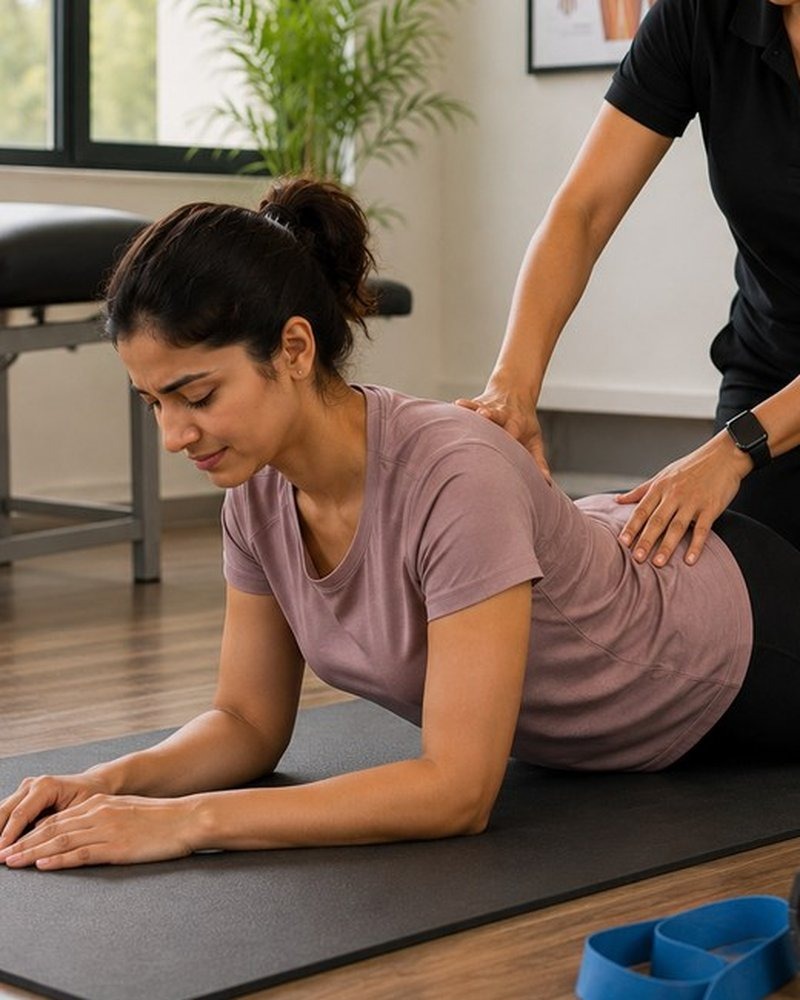
Because symptoms can overlap with other spinal conditions, persistent or progressive neurological symptoms should be assessed medically before someone tries to self-diagnose through exercise.
Why Complete Rest Can Become a Problem
When movement becomes uncomfortable, reducing activity temporarily can feel logical. But long periods of inactivity may also reduce leg strength, trunk endurance, balance and general conditioning. Daily tasks then require a larger percentage of the person’s available capacity.
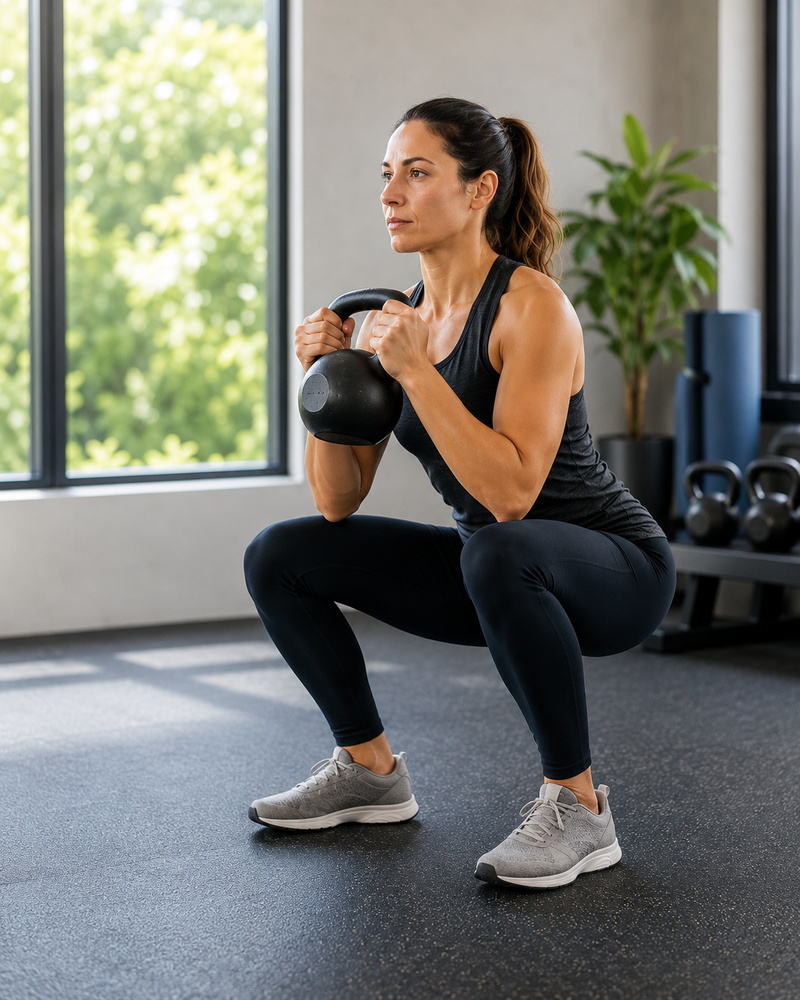
Once medically appropriate, condition-conscious training can focus on rebuilding capacity without treating pain as something to simply push through.
Strength Training Should Be Symptom-Guided
There is no universal list of “safe” spinal stenosis exercises. A movement that feels comfortable for one person may aggravate another. Exercise selection should consider the location of symptoms, neurological signs, mobility, balance, medical advice and how symptoms respond during and after training.
A personal trainer in Dubai working within an appropriate health-focused scope can help organise gradual resistance training around these limitations.
Common Training Priorities
- Lower-body strength for walking and daily tasks
- Trunk endurance and control
- Hip strength and mobility
- Balance and stability
- Gradual conditioning
- Movement strategies that remain tolerable
Walking Tolerance Can Be Trained Gradually
Some people with lumbar spinal stenosis find prolonged standing or walking difficult. Instead of abandoning walking entirely, training may use shorter manageable bouts with recovery, then progress duration based on symptom response.
Other aerobic options, such as a stationary cycle, may be more comfortable for some individuals. The right choice depends on the person rather than the diagnosis alone.
What About Core Exercises?
Core training does not mean repeatedly forcing the spine through painful movements. The objective is to improve trunk control and endurance so the body can handle daily tasks more efficiently.
- Supported anti-rotation exercises
- Modified dead-bug variations
- Controlled carries
- Appropriate bridge variations
- Breathing and bracing practice
Exercise selection should change if symptoms increase or neurological signs appear.
Exercises That Need Individual Assessment
Heavy spinal loading, repeated end-range movements or exercises that reproduce radiating symptoms should not be prescribed casually. This does not mean everyone with spinal stenosis must permanently avoid loading. It means loading needs context.
Working with experienced trainers can help ensure strength progression is based on movement quality and symptom response rather than arbitrary intensity.
Spinal Stenosis vs Sciatica: They Are Not the Same Thing
Sciatica describes symptoms involving the sciatic nerve, while spinal stenosis describes anatomical narrowing that may contribute to nerve symptoms. Someone can have stenosis without classic sciatica, and sciatica can have causes other than stenosis.
For more context on radiating back and leg symptoms, read our guide to lower back pain, sciatica and disc issues.
How ChronoFit Supports Spinal Conditions
ChronoFit’s approach focuses on progressive strength, mobility, balance and sustainable physical capacity. Training is adjusted around symptoms, current function and relevant medical guidance rather than using a standard “back pain workout”.
If spinal stenosis is limiting your confidence with exercise, contact the ChronoFit team to discuss an individual assessment.
FAQs
Can you lift weights with spinal stenosis?
Some people can use resistance training successfully, but exercise selection, load and range of motion should reflect symptoms, function and medical guidance.
Is walking good for spinal stenosis?
Walking can be useful, but tolerance varies. Shorter bouts or alternative aerobic exercise may be more suitable for some people.
Can exercise reverse spinal stenosis?
Exercise should not be described as reversing anatomical narrowing. It can help improve strength, mobility, conditioning and function.
Should I stretch my back if I have spinal stenosis?
Stretching is not automatically helpful or harmful. The direction and type of movement should be selected according to individual symptoms and assessment.
When should I seek medical advice?
New or worsening weakness, significant numbness, bowel or bladder changes, saddle-area sensory changes or rapidly progressive neurological symptoms require prompt medical assessment.
Final Thoughts
Spinal stenosis does not require a choice between doing nothing and training aggressively. The useful middle ground is progressive, symptom-aware exercise that develops strength and capacity while respecting medical findings and neurological symptoms.
Improve Your Posture and Spinal Health
Experiencing back stiffness, neck tension, rounded shoulders, or posture-related discomfort? Speak with a ChronoFit specialist about personalised postural correction and strength training in Dubai.
Call or WhatsApp:
+971 56 949 4247
Email:
info@chronofit.me